

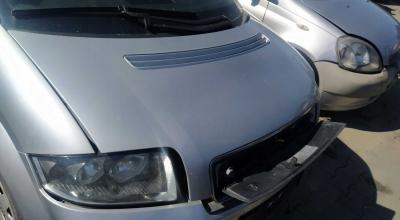
The original Audi A2’s front service flap provided access to its oil dipstick and the filling points for engine oil and washer fluid. More extensive engine access involved removing the bonnet. O

A block heater often needs only a few hours before you leave. Natural Resources Canada suggests switching it on two hours before starting, while the Ford system discussed below has a three-hour operat
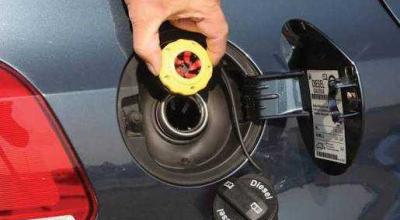
Being unable to put fuel into an almost-empty car is a peculiarly annoying problem. There is diesel in the pump, space in the tank and apparently no reason the two should have trouble meeting. Yet the
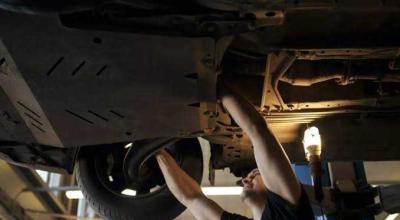
An engine splash shield can make a ridiculous amount of noise for a piece of plastic. One corner slips out of its clips, drops a few inches, and begins scraping the road. You hear it over the radio. Y
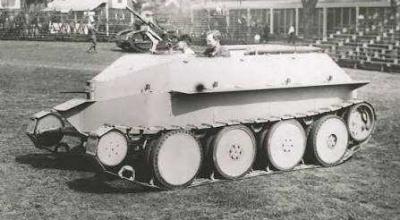
Before tanks had tracks, someone had to imagine that an engine, armor and heavy weapons might belong on the same vehicle. Frederick Richard Simms did more than imagine it. At the end of the 19th ce

Long before carmakers filled dashboards with screens, an important piece of engine information was displayed outside the windshield. Early automobiles often carried their radiator filler caps at

Starting a modern car requires so little effort that the action barely registers. Turn a key, press a button or let the vehicle recognize that its driver has climbed aboard. A second later, the engine
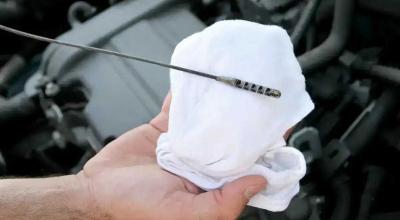
An engine can be low on oil and sound perfectly content. It may start normally, idle without complaint and carry the car through the morning commute. The driver sees no smoke, hears no knocking and re

The old battery has been replaced, the engine starts with renewed enthusiasm and the dashboard clock has been corrected. Then the driver’s window develops amnesia. It still moves when the swi
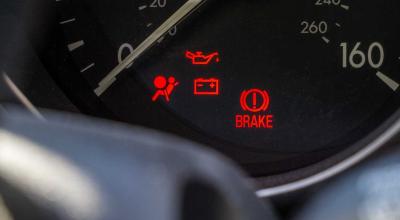
The parking brake has been released, but the red warning light remains on. The first reaction is usually to pull the lever again or press the parking-brake switch a few times. Perhaps the sensor