
Your New Battery Did Not Break the Window. It May Have Made the Glass Forget Where to Stop
by AutoExpert | 3 September, 2026
The old battery has been replaced, the engine starts with renewed enthusiasm and the dashboard clock has been corrected. Then the driver’s window develops amnesia.
It still moves when the switch is held, but the one-touch function has disappeared. Remote closing may no longer work. On some cars, the glass reaches the top and immediately drops again as though it has encountered an invisible hand.
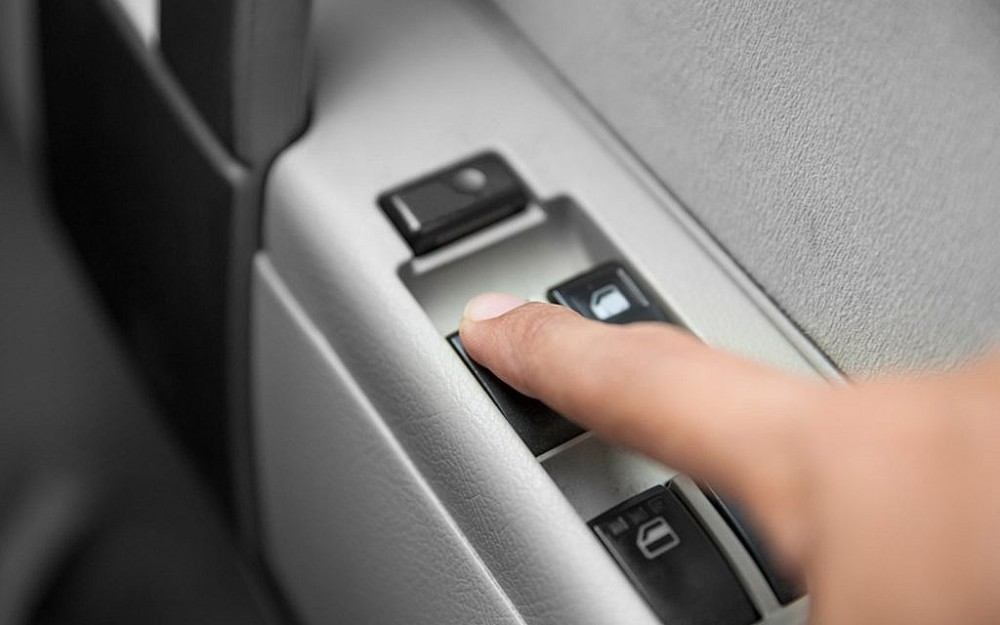
The timing makes the new battery look guilty. In reality, nothing may have been damaged. The window controller may have lost the information it uses to identify the fully open and fully closed positions.
A short relearning procedure can often bring the missing functions back.
Modern windows need to know where the glass is
A basic power window only needs a switch, a motor and a mechanism capable of moving the glass. One-touch closing and anti-pinch protection require a little more awareness.
The controller monitors the movement of the window and learns where its upper and lower limits sit. It may also watch motor speed, electrical current or position information to recognize when something obstructs the glass.
If resistance rises unexpectedly while the window is closing, the anti-pinch function can stop or reverse the motor. The feature helps prevent fingers, clothing and objects from becoming trapped.
Disconnecting the 12-volt battery may erase the learned positions from the controller’s memory. A flat battery or removed window fuse can produce the same result. The window still responds manually because the motor and switch remain operational, but automatic movement may be disabled until the limits are learned again.
Honda’s power-window guidance specifically notes that battery disconnection can disable the automatic function. Ford likewise explains that window bounce-back memory may require resetting.
The window has not become less intelligent permanently. It needs its boundaries reintroduced.
The familiar reset sequence is not universal
Many vehicles use some version of the same procedure.
The window is lowered completely while the switch is held. The switch remains pressed for a few seconds after the glass reaches the bottom. The window is then raised fully, and the switch is held again after it closes.
Those extra seconds allow the controller to record each end of the window’s travel.
Some cars require the engine to be running. Others ask for the ignition to be on without starting the engine. A procedure may begin with the window closed, include several repeated movements or require resetting every window separately.
Toyota lists power windows among the systems that may require initialization when operation becomes abnormal. Honda service procedures can also include a very specific sequence of lowering, holding, raising and verifying the automatic function.
Following a generic internet ritual without checking the manual can waste time or leave the safety function uninitialized. The correct instructions belong to the exact make, model and year.
Keep hands and objects clear while performing the procedure. Fingers are a terrible substitute for proper anti-pinch testing.
Why the glass may reach the top and bounce back
A window that closes and immediately lowers again often believes it has detected an obstruction.
Lost calibration can produce the behavior because the controller does not recognize the normal resistance at the top of the frame. Relearning the travel limits may solve it.
The same symptom can have a physical cause. Dirt inside the rubber channels increases resistance. Cold weather can stiffen the seals, while ice may hold the glass in place. A misaligned window, failing regulator or tired motor can force the controller to work harder than expected.
Clean visible window channels carefully and remove any obvious obstruction before resetting the system. Avoid soaking the seals with random lubricants. Products unsuitable for automotive rubber can attract dirt, damage materials or smear the glass.
If the window moves slowly, tilts, clicks or struggles through part of its travel, recalibration may only hide the problem briefly. A worn regulator cable or damaged guide deserves mechanical attention.
Other features may disappear with the one-touch function
Automatic closing is rarely the only convenience tied to the window’s learned position.
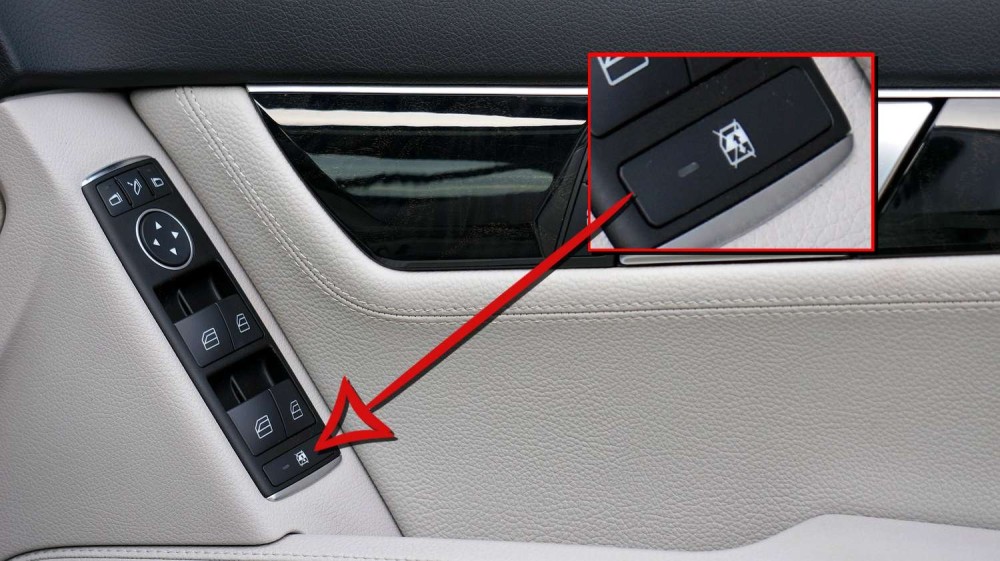
Remote opening or closing from the key fob may stop working. Global closing, which raises several windows when the vehicle is locked, can become unavailable. Convertibles and frameless-door cars may lose the short “drop” that lowers the glass slightly when the door opens.
Some vehicles also need to know the window position before a sunroof or folding-roof sequence can operate correctly.
The collection of symptoms can make a simple battery replacement appear to have disturbed half the body electronics. Often, several modules have merely lost stored settings during the interruption in power.
Radios, clocks, seats, steering-angle sensors and climate-control systems may have their own relearning needs. Modern cars remember far more than their owners realize.
When a reset is not enough
Repeat the manufacturer’s procedure once if the first attempt fails, paying close attention to how long each switch position must be held.
Persistent failure calls for diagnosis. The switch may have a worn contact, the motor may be weak or the regulator may be binding. Wiring inside the door hinge area can fatigue after years of opening and closing. A faulty door module may also prevent one-touch and anti-pinch functions from initializing.
A window that refuses to close securely needs prompt attention, particularly before rain or overnight parking. Forcing it upward by hand can damage the mechanism or allow the glass to drop unexpectedly.
The useful clue is the timing. If one-touch operation vanished immediately after the battery went flat or was disconnected, calibration belongs near the top of the suspect list.
The battery replacement restored the car’s electrical power. A few extra seconds at the window switch may restore its memory too.