Why Your Car Suddenly Burns More Gas Every Summer
by AutoExpert | 26 May, 2026
You fill the tank, glance at the gas price, briefly consider selling all your possessions and moving somewhere walkable, then hit the road... only to notice your MPG suddenly looks terrible.
And no, you are not imagining it.
Summer quietly wrecks fuel economy on almost every car out there, and most people blame the AC and move on with their lives. Which is fair. The AC absolutely plays a role. But honestly? It is not even the biggest offender half the time.
Right now this stings more than usual too. Gas prices are hovering around $4.48 a gallon nationally, Memorial Day travel numbers just smashed records with something like 45 million Americans hitting the roads, and suddenly a small MPG drop actually matters. Lose 4 or 5 MPG on a long summer road trip and congratulations, you basically paid for an extra tank you did not need.
So where is the fuel going?
Well. Several places at once, actually.
The AC Is Guilty... Just Not As Guilty As People Think
Let's start with the obvious one.
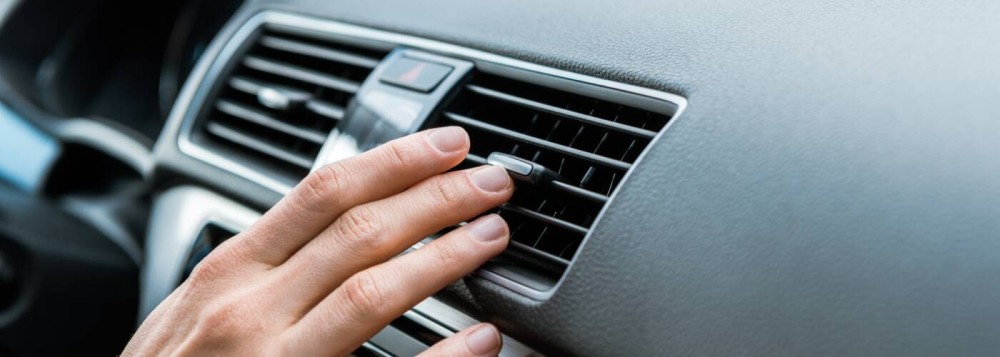
Running the air conditioner absolutely steals power from the engine because the compressor has to run constantly, especially when the car has been baking in the sun like a cast-iron skillet all afternoon.
In city traffic, the AC can cost you somewhere around 1 to 4 MPG depending on the car. Smaller engines feel it more. Tiny economy cars especially.
But here is where people accidentally sabotage themselves.
At highway speed, driving with the windows down is usually worse.
Everybody loves the “free AC” logic until physics enters the chat. Open windows create drag, and drag gets ugly fast above roughly 45 mph. Your car basically turns into a parachute. So on the highway? Windows up. AC on. Your fuel economy will actually thank you.
Which feels unfair honestly, but aerodynamics rarely care about feelings.
Your Tires Are Probably Wrong Right Now
This one sneaks up on people every year.
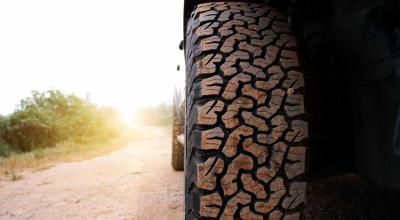
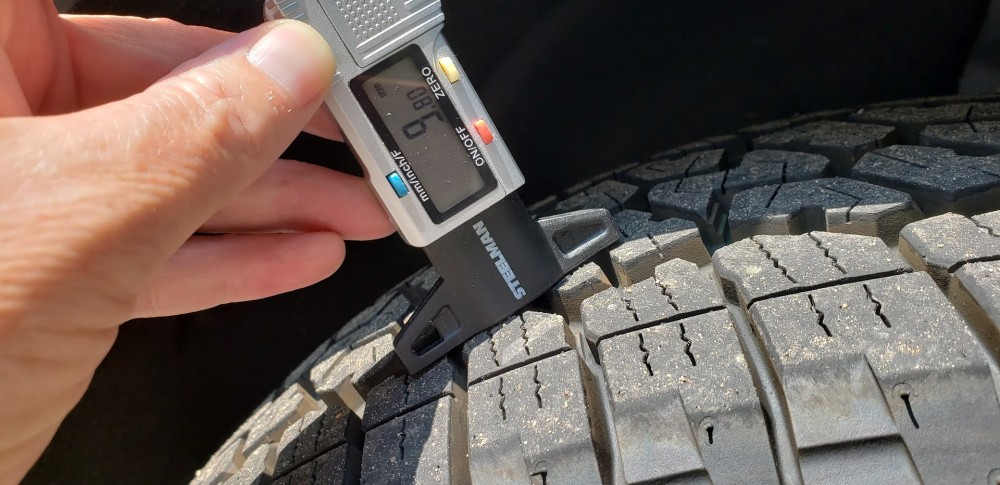
Tire pressure changes constantly with temperature swings. Roughly 1 PSI for every 10 degrees. Meaning those perfectly inflated tires from a cool spring morning may suddenly be underinflated once summer temperatures settle in properly.
And underinflated tires are little fuel-eating monsters.
The engine has to work harder because the tires create more rolling resistance against the pavement. Even being 5 PSI low can shave around 2 percent off fuel economy. Doesn't sound huge until you multiply it across hundreds or thousands of miles.
Also, quick public service announcement because people still get this wrong constantly: the pressure number on the tire sidewall is NOT your target pressure.
That is the maximum pressure.
The correct number is on the sticker inside the driver's door jamb. Car manufacturers and tire manufacturers are talking about different things entirely and somehow nobody explains this when you learn to drive.
Summer Fuel Itself Is Different
This sounds fake but it is real.
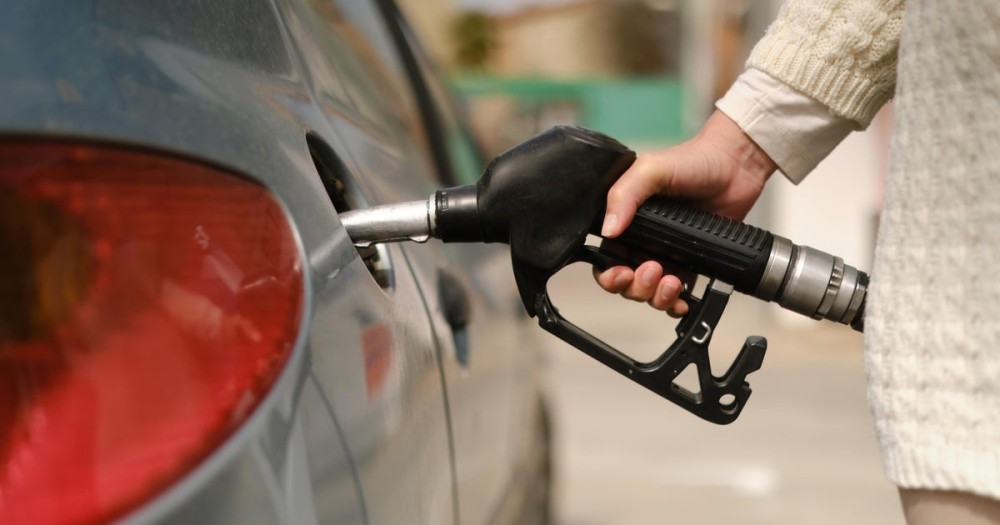
Gas stations switch to a different fuel blend during warmer months because summer gasoline evaporates differently. The seasonal blend is designed to reduce emissions and smog in hot weather, which is great for air quality but slightly worse for energy density.
Translation? Summer fuel literally contains a little less usable energy per gallon.
So yes, if you noticed your MPG mysteriously dropping around seasonal fuel-switch time, your car is not broken. The gas itself changed. Tiny difference individually, but combined with heat and AC use, it adds up fast.
Traffic Is Brutal For Fuel Economy
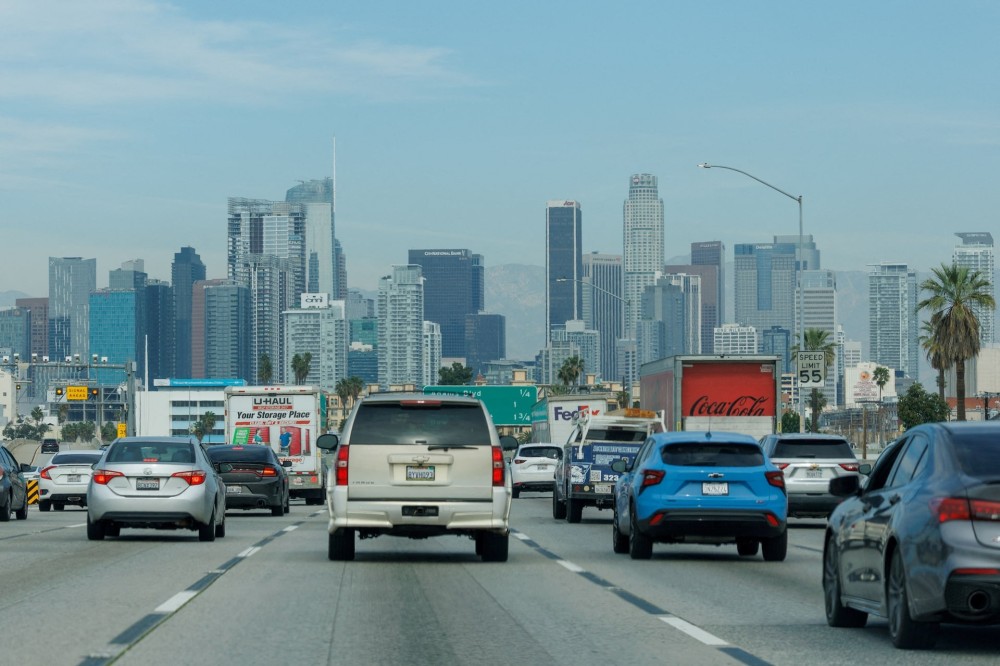
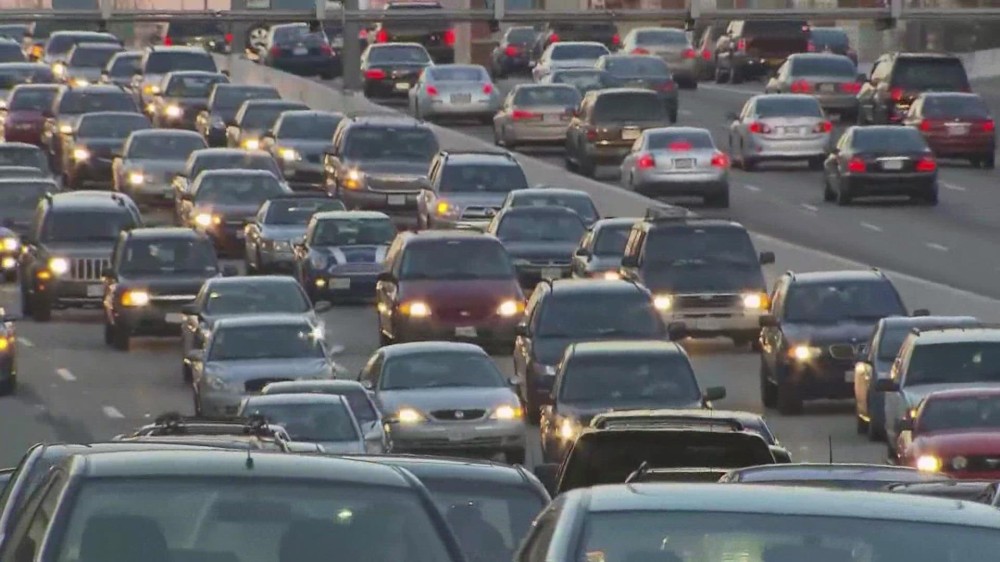
Summer driving means traffic. Endless, soul-draining traffic.
Everybody is traveling. Construction zones multiply like weeds. People idle with the AC blasting while sitting outside beach towns for 40 minutes questioning every decision that led them there.
And idling absolutely murders fuel economy because your car burns fuel while accomplishing absolutely nothing except cooling your thighs.
One trick that genuinely helps: when you first get into a boiling-hot car, roll all the windows down for about 30 seconds before cranking the AC. Dump the trapped oven-air first. The system cools down way faster afterward and works less aggressively.
Also, if your car has auto stop-start? Stop turning it off immediately out of annoyance. Yes, it feels weird at first. Yes, everybody hates the sensation initially. But in heavy summer traffic, it genuinely saves fuel.
The Rooftop Cargo Box Is Quietly Destroying Your MPG
This one is almost comical how much damage it does.
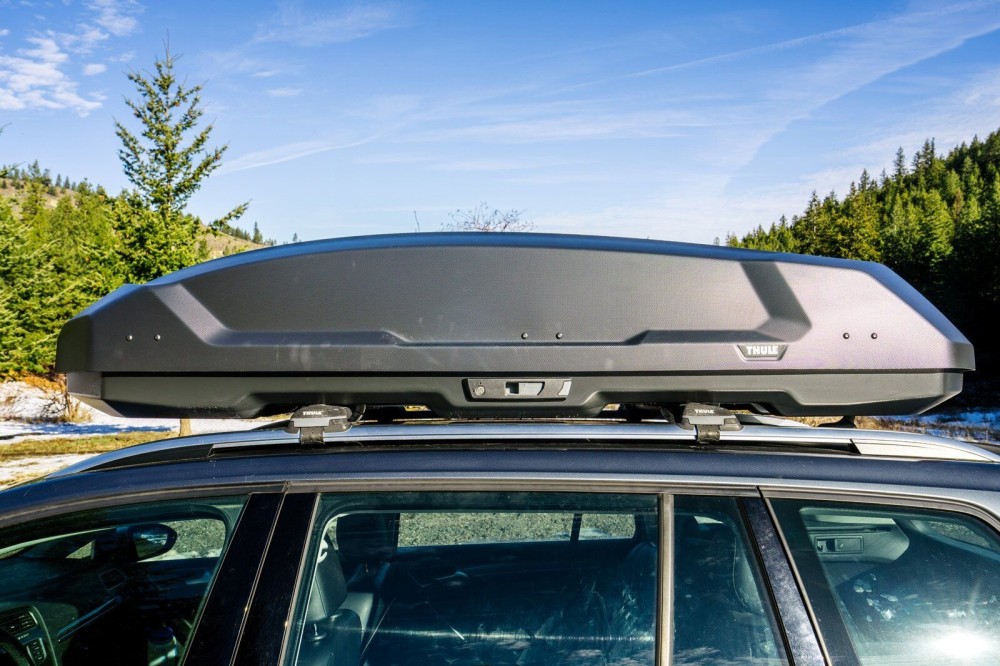
Families bolt giant cargo carriers onto the roof for vacation season and then wonder why the fuel gauge suddenly drops like crypto stocks during a panic selloff.
Roof boxes, bike racks, kayaks, even empty roof crossbars all wreck aerodynamics. Some studies have shown rooftop cargo boxes cutting highway fuel economy by 10 to 25 percent depending on size and speed.
Twenty-five percent.
That's enormous.
And the worst part? People often leave the racks on year-round out of laziness even after the trip ends. Five minutes with a wrench could save you a noticeable amount of fuel every week afterward.
Add everything together and summer can easily knock 4 to 6 MPG off what you normally see the rest of the year.
At today's gas prices, that's not pocket change anymore. That's real money disappearing quietly because of heat, drag, traffic, tires, and physics doing physics things.
Which honestly feels rude.