These Transmissions Refuse to Die Even After Hundreds of Thousands of Miles
by AutoExpert | 15 May, 2026
Some transmissions are basically automotive cockroaches.
Not glamorous. Not exciting. But somehow impossible to kill.
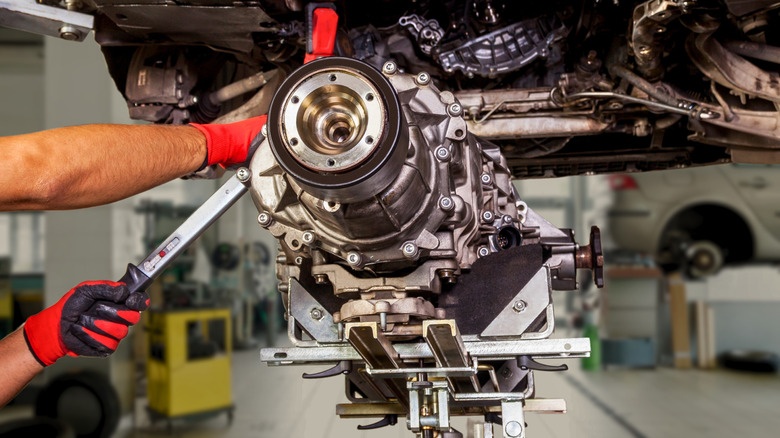
Meanwhile, other gearboxes seem to explode emotionally the second you ask them to handle traffic, heat, towing, or literally any responsibility at all. Every car enthusiast has horror stories about transmissions that shifted like confused shopping carts and died before the second set of tires.
But a few transmissions earned the exact opposite reputation. These are the units mechanics talk about with this weird mix of respect and exhaustion, because they just keep surviving things they probably shouldn’t.
And honestly, some of them ended up more legendary than the cars they came in.
Take the Tremec TR-6060.
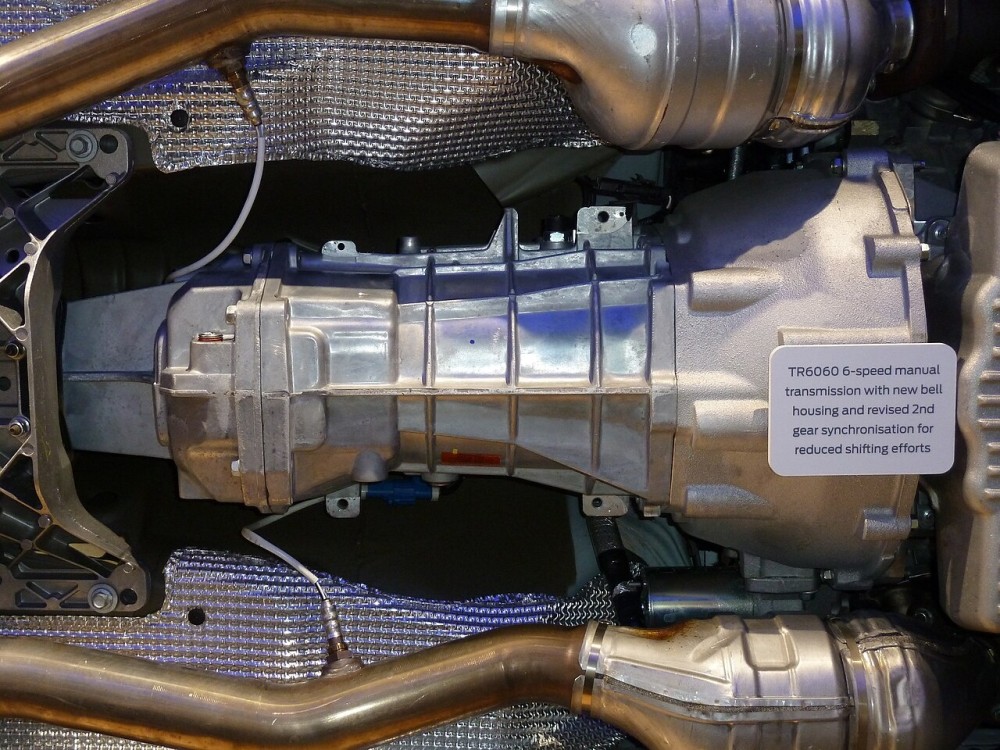
If you’ve ever driven a manual Dodge Hellcat, Chevrolet Camaro ZL1, or other modern American muscle car making completely irresponsible amounts of torque, there’s a decent chance this transmission was sitting underneath you trying to hold civilization together.
Hellcats make absurd power. The TR-6060 basically shrugged and dealt with it.
Part of the reason enthusiasts love it is because Tremec massively overbuilt the thing. Bigger synchros. Stronger gears. Beefier shafts. The transmission feels like it was engineered by people who expected owners to abuse it immediately. Which, to be fair, they absolutely did.
Then there’s the legendary Mercedes-Benz 5G-Tronic, also known as the 722.6. This thing is kind of hilarious because Mercedes engineered it to work in everything from ordinary sedans all the way up to the wild Mercedes-Benz SLR McLaren.
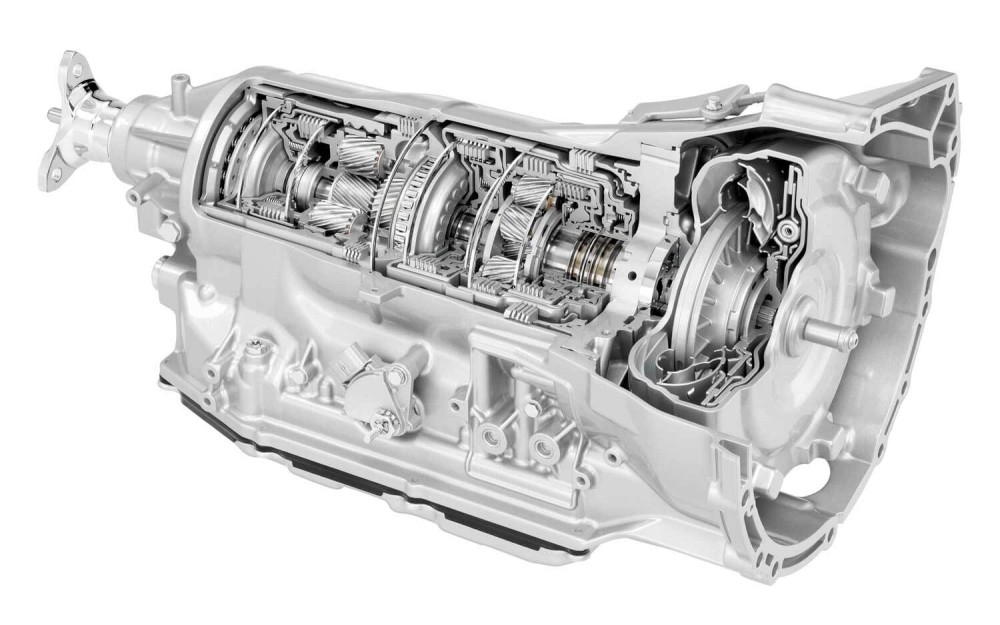
That’s a massive range of abuse.
And somehow the transmission handled all of it.
People love talking about old bulletproof Mercedes engines, but honestly the 5G-Tronic deserves just as much credit. The thing can absorb torque like it’s emotionally numb. Even today, shops still swap these transmissions into older builds because they’re that durable.
And then there’s the transmission you’re probably physically near right now whether you realize it or not: the ZF 8HP.
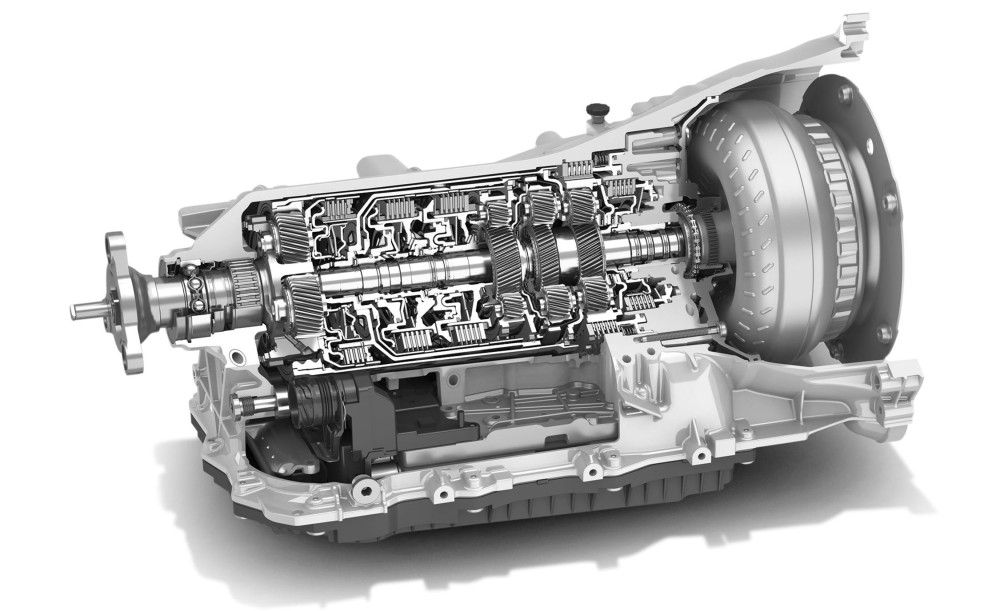
Seriously, this thing is everywhere.
BMWs. Rams. Rolls-Royces. Toyotas. Bentleys. Dodge muscle cars. Aston Martins. The Toyota GR Supra uses it. The Lamborghini Urus uses it. Somehow both of those statements are true simultaneously.
What makes the ZF 8HP impressive isn’t just durability. It’s that it somehow manages to be smooth, quick, efficient, and strong all at once. Usually transmissions force some kind of compromise. This one mostly just shows up and quietly does its job without drama for years.
Which is honestly rarer than it should be.
The old GM Powerglide deserves mention too, mostly because it operates on pure simplicity. Two forward gears. That’s basically the whole story.
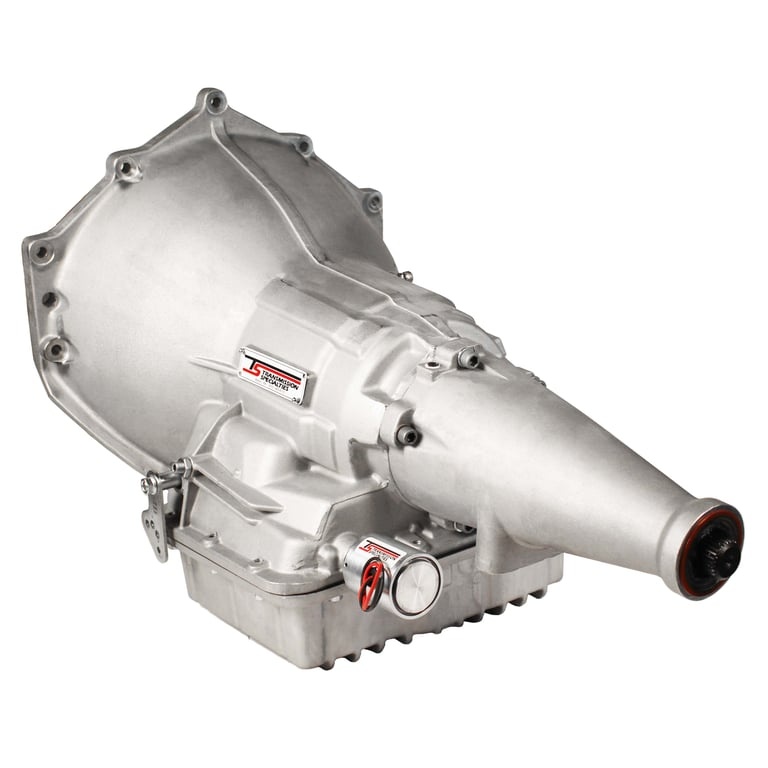
Fuel economy? Terrible.
Sophistication? Absolutely not.
But drag racers still love these things because there are so few parts inside to break in the first place. The Powerglide survives partly because it barely believes in complexity as a concept.
And then there’s Toyota’s Aisin A340, which feels exactly as durable as you’d expect from something attached to old Tacomas and Supras. People routinely pushed these transmissions past 200,000 or 300,000 miles without major issues.
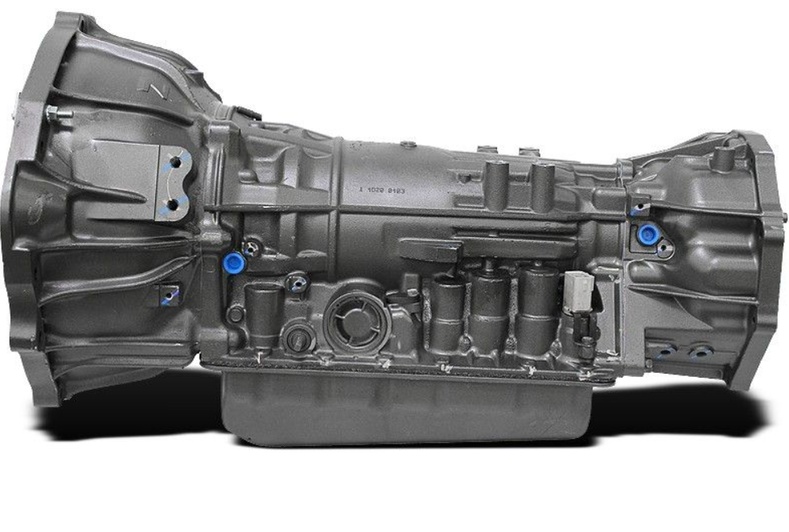
Which honestly tracks with old Toyota energy in general.
The funny thing about truly durable transmissions is that they rarely become famous with average drivers. Nobody brags online that their gearbox quietly functioned correctly for 17 years straight. Reliability is boring until you’ve owned something unreliable. Then suddenly it becomes the sexiest feature on earth.
And with repair bills climbing into terrifying territory lately, transmissions like these start looking less like mechanical components and more like financial survival tools.
Because nothing empties a bank account faster than hearing a mechanic say, “So... about your transmission.”