Lifting Your SUV Might Be Quietly Killing Your Gas Mileage
by AutoExpert | 13 May, 2026
There’s a moment that happens to a lot of SUV owners.
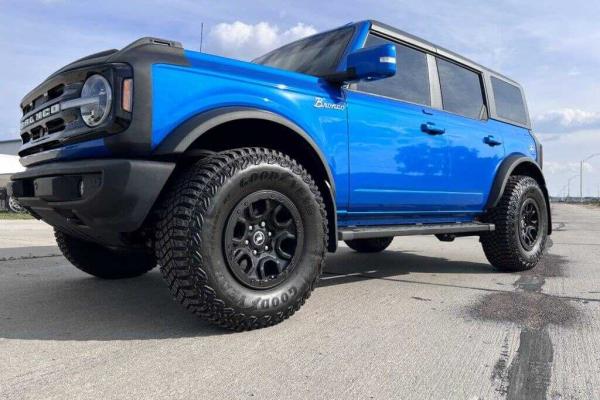
You see a lifted 4Runner or Tahoe rolling past on chunky tires looking like it just escaped a mountain trail somewhere in Utah, and suddenly your completely normal stock SUV starts feeling… soft. Too civilized. Maybe even a little boring.
And honestly? I get it. A lifted SUV looks cool. More aggressive. More capable. Like it belongs outdoors instead of sitting in the Target parking lot next to a shopping cart corral.
But there’s a tradeoff people don’t always think about until they’re standing at the gas pump wondering why the fuel gauge drops like a countdown timer now.
Lifting an SUV absolutely affects fuel economy. Sometimes more than owners expect.
The biggest reason is aerodynamics, which sounds boring until you realize your SUV is basically punching a larger hole through the air once it’s lifted. Raise the body higher and suddenly more of the undercarriage, suspension bits, tires, and wheel wells are exposed to airflow. That creates more drag. More drag means the engine works harder. Harder work means more fuel burned. Physics is rude like that.
And SUVs already aren’t exactly aerodynamic masterpieces to begin with.
Then comes the weight problem.
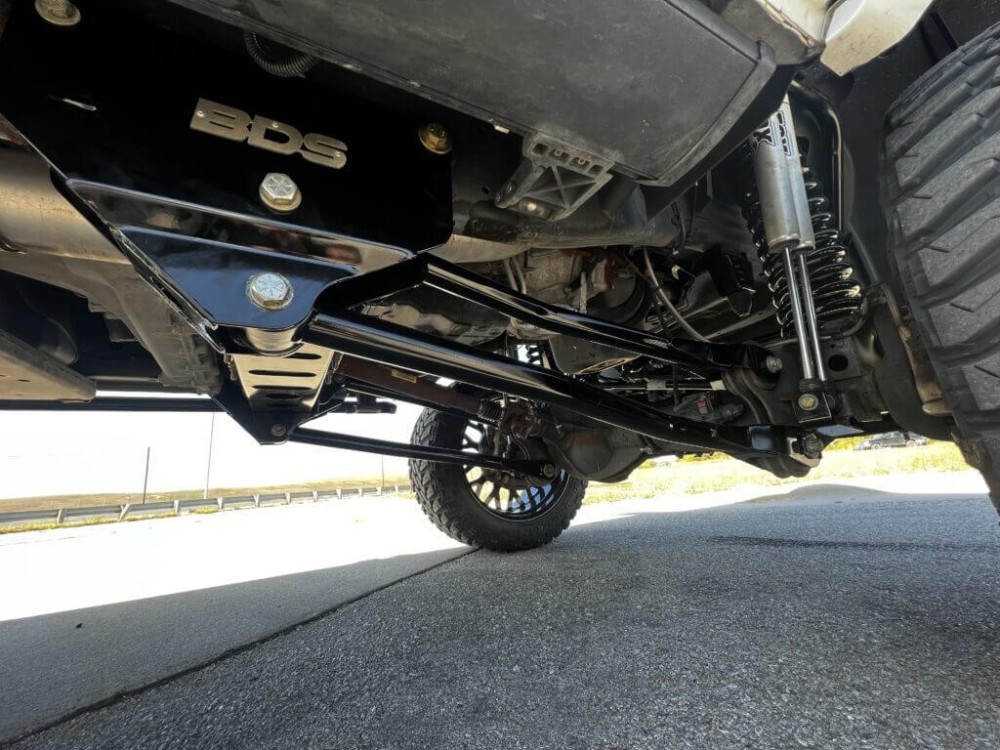
A proper lift kit usually isn’t just “a couple inches taller.” It often snowballs into heavier suspension parts, larger wheels, beefier tires, maybe skid plates, maybe steel bumpers because now we’re emotionally committed to the off-road aesthetic. Every extra pound matters. The engine has to move all of it every single time you accelerate.
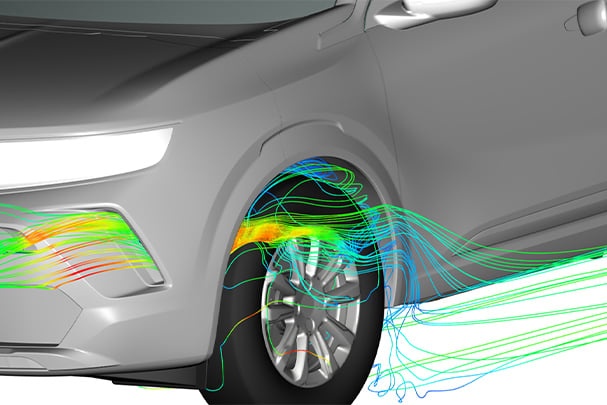
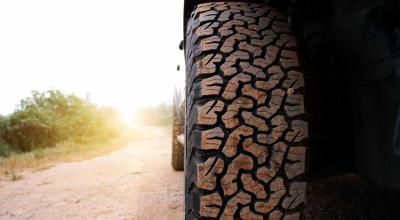
The tires are a huge part of this too, maybe the biggest part people underestimate. Those aggressive off-road tires look fantastic, no argument there. But they’re heavy, and all that deep tread creates more rolling resistance against the road. Great for mud. Less great for fuel economy during your commute to Costco.
It’s kind of funny actually. People spend thousands modifying an SUV for extreme off-road capability and then 95% of its life ends up being school runs and highway traffic.
Manufacturers know this stuff matters, by the way. That’s why adaptive suspension systems are becoming more common on expensive SUVs. Vehicles like the Tesla Model X automatically lower themselves at highway speeds to cut drag and improve efficiency. Audi, GM, Jeep, all of them have been moving in this direction too.
Because lower vehicles generally slip through the air more easily.
That doesn’t mean you should immediately slam your SUV to the ground trying to save gas money, though. Lowering has its own headaches: scraping, rougher ride quality, clearance issues, warranty questions, expensive suspension parts. Sometimes people chase one small MPG gain and accidentally make the vehicle annoying to live with every day.
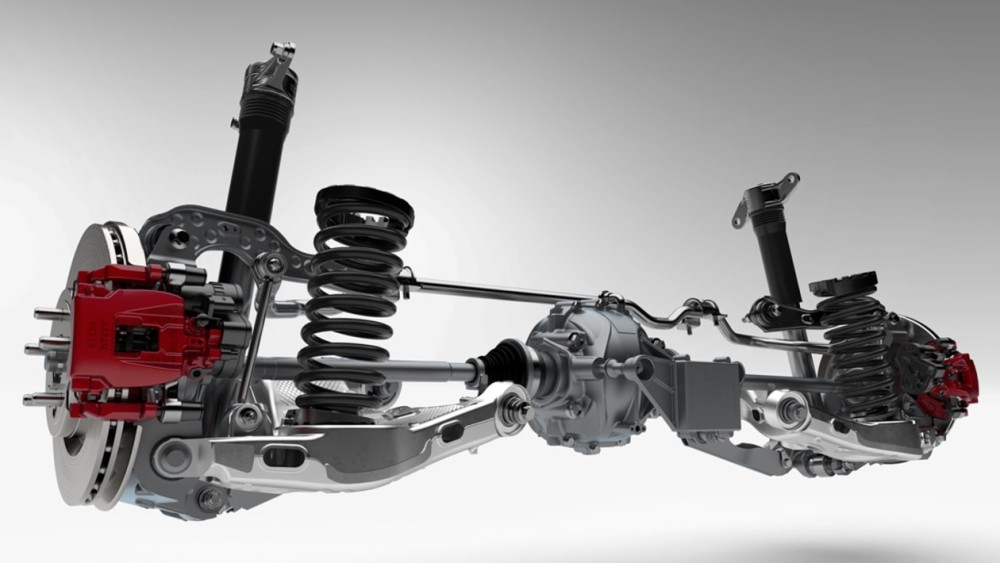
And honestly, most drivers would probably see a bigger fuel economy improvement from simpler stuff anyway. Tire pressure. Slower highway speeds. Less junk in the cargo area. Boring answers, but usually true.
Still, if you’re thinking about lifting your SUV, it’s worth going in with realistic expectations. The tougher stance, bigger tires, and extra clearance absolutely change the driving experience.
They also change how often you’ll be stopping for gas.
That’s the part Instagram usually leaves out.