
Modern Cars Can Actually Get Damaged During a Jump Start
by AutoExpert | 13 May, 2026
Jump starting a car used to feel almost idiot-proof.
Battery dies, somebody pulls up with jumper cables, hoods go up, clamps go on, everybody stands around pretending they fully understand electricity, and ten minutes later the dead car is back to life. Easy.
Modern cars ruined that simplicity a little.
Not because jump starting suddenly became impossible, but because today’s vehicles are packed with electronics that are way more sensitive than the old-school stuff people grew up with. And if you do things the wrong way, there’s a real chance you can fry expensive systems while trying to solve what started as a dead battery problem.
That’s the part most people still don’t realize.
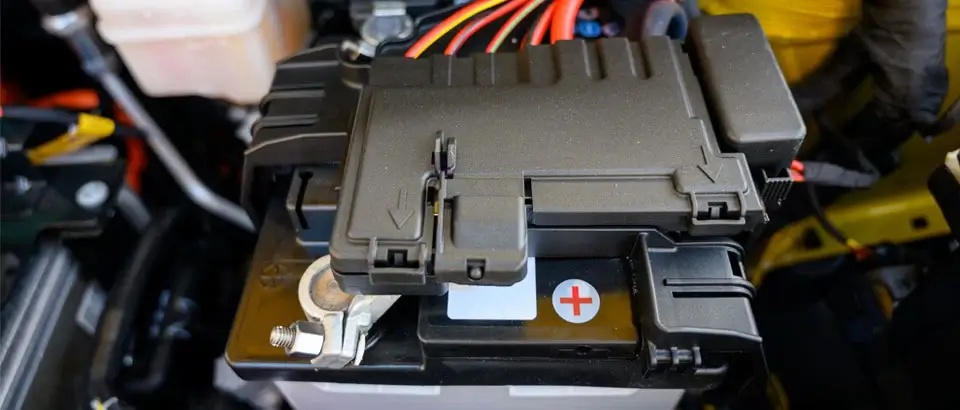
A lot of newer vehicles don’t even want you connecting jumper cables directly to the battery anymore. Some manufacturers moved the battery into the trunk or under a seat altogether, partly for weight distribution and partly because the engine bay gets brutally hot. Instead, they give you dedicated jump-start terminals under the hood. They look weirdly official, usually with little plastic covers, and yes, you’re supposed to use those.
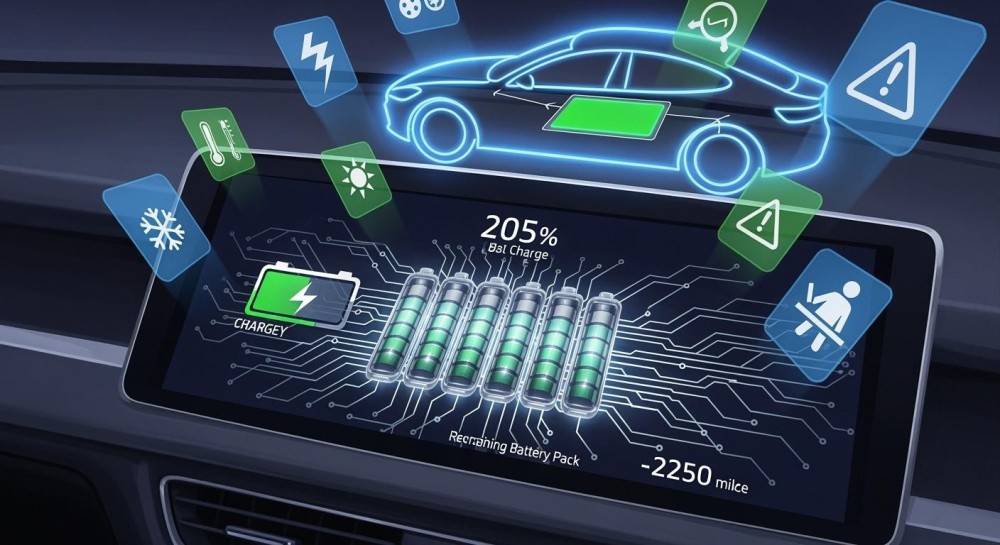
There’s a reason for it. Modern cars have battery monitoring systems, sensors, ECUs, all kinds of little electronic brains quietly managing things behind the scenes. Hooking cables directly to the battery can interfere with those systems or create voltage spikes the car really doesn’t appreciate.
And hybrids? Whole different level of “please read the manual before touching anything.”
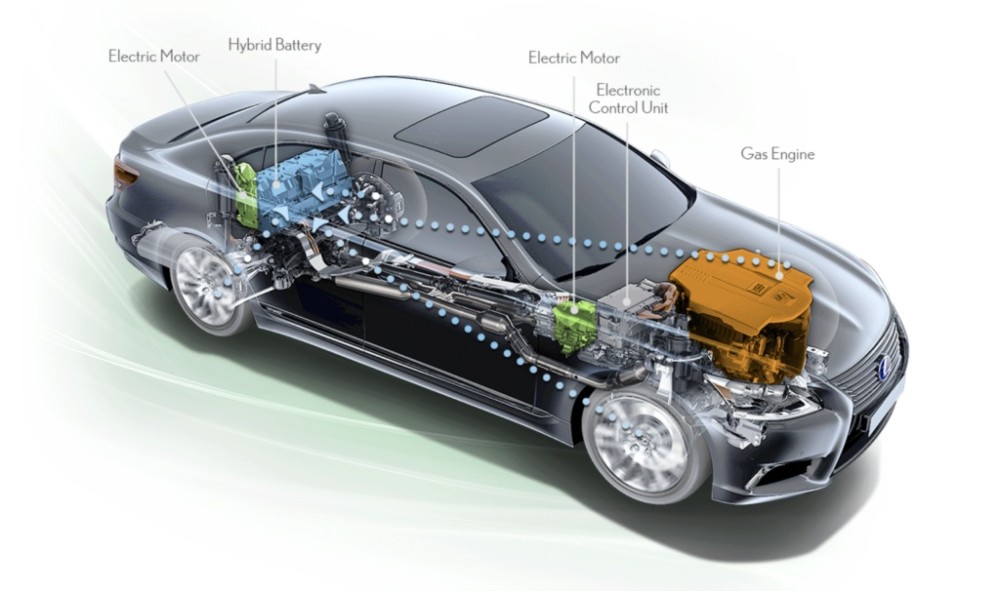
A hybrid has both a regular 12-volt battery and a high-voltage battery system. You absolutely do not want to confuse the two. Some manufacturers flat-out say not to use their hybrids to jump another car at all. Kia, for example, basically says “don’t do it.” Tesla says the same thing about the Tesla Model 3.
Which honestly makes sense when you remember these cars are rolling computers now.
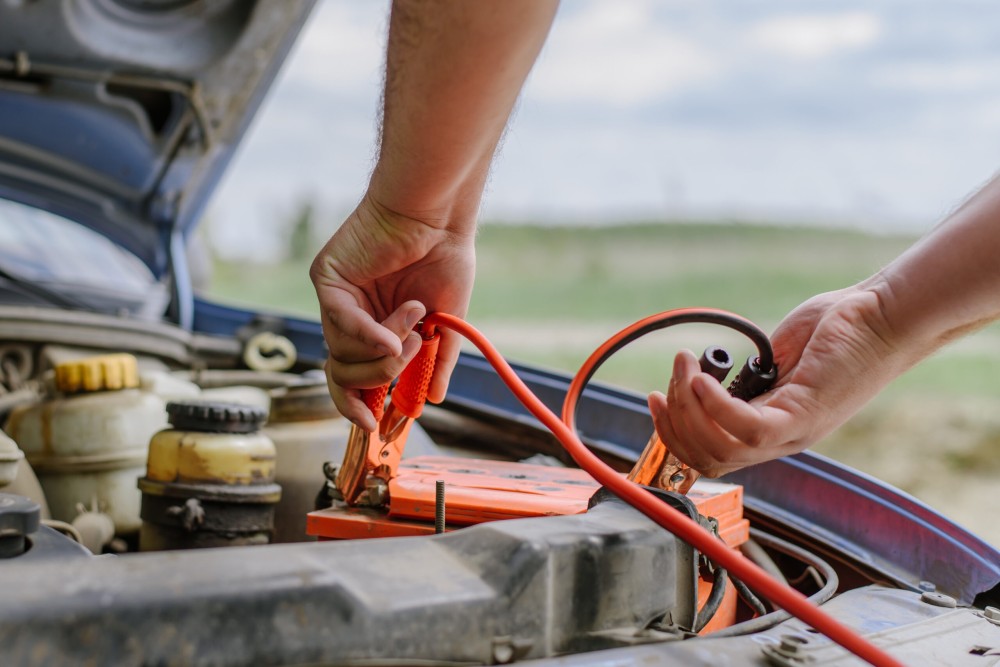
The basic jump-start order itself hasn’t changed much, though. Connect positive to positive first. Then negative to the donor car. Then ground the last black clamp to unpainted metal on the dead car, away from the battery. That last part matters more than people think.
And yes, the donor car usually still gets turned on after the cables are connected. People still rev the engine a little too, like every dad in America learned the exact same ritual sometime in 1987. That part mostly survives.
But honestly? Portable jump starters are making the whole “find another car” process feel outdated anyway.
Those little lithium jump packs are kind of amazing now. Small enough to fit in the trunk, powerful enough to start most vehicles in seconds, and they usually regulate voltage better than random jumper-cable improvisation in a parking lot. Plus you don’t have to rely on a stranger who may or may not know which clamp goes where.
And if you’ve ever had a battery die in a tight parking garage or in the middle of nowhere, you know how valuable that is.
The bigger takeaway here is that modern cars are less forgiving than older ones when it comes to electrical mistakes. A bad jump start isn’t just “oops, sparks.” It can trigger warning lights, wipe system settings, mess with traction control, damage modules, sometimes even void warranties if things go badly enough.
So before you hook up cables like it’s still 1998, check the owner’s manual first.
Your car probably has opinions about how this should be done.