
Most Drivers Are Probably Buying the Wrong Gas. Are You One of Them?

by AutoExpert | 13 May, 2026
Gas stations have managed to turn three little buttons into a weird psychological experiment.
You pull up, see 87, 89, 93, and suddenly it feels like there’s a “good driver” option and a “cheap driver” option. And a shocking number of people convince themselves that premium gas must somehow be healthier for the car. Cleaner. More refined. Like bottled water, but for engines.

It’s not.
Honestly, the amount of mythology around gas octane ratings is kind of incredible. Everybody seems to have a guy. An uncle, a neighbor, somebody at work who swears premium “cleans the engine out” or makes the car run smoother or gives you better mileage. Most of that advice belongs in the same category as “you need to warm your car up for 15 minutes in winter.”
Octane is not a quality rating. That’s the big thing people get wrong.
Higher octane fuel is not “better” gas. It doesn’t contain more energy. It’s not secretly premium in the luxury sense. The octane number is basically just a measure of how resistant the fuel is to igniting too early under pressure.
That’s it.
Some engines need that resistance because they run high compression, turbochargers, aggressive timing, all the stuff that squeezes more performance out of the engine. Those setups create more heat and pressure inside the cylinders, which raises the risk of knocking. Knocking is bad. Metallic rattling, uncontrolled combustion, tiny explosions happening at the wrong moment. Your engine very much prefers not to do that.
So if your car says premium required, don’t get cute with it. There’s an engineering reason for that sticker.
But here’s where a lot of people waste money: cars that were designed for regular gas.
If the manual says 87 is fine, then 87 is fine. Putting 93 into a car that doesn’t need it is kind of like buying expensive hiking boots to walk to the mailbox. Technically possible. Financially unnecessary.
And yes, before someone jumps in, there are cars where premium is “recommended” instead of required. That’s a little different. Modern engines can often adjust themselves using knock sensors if you run regular instead. You might lose a tiny bit of power or efficiency, but most people would never notice it outside of maybe flooring it onto a highway on-ramp once a month.
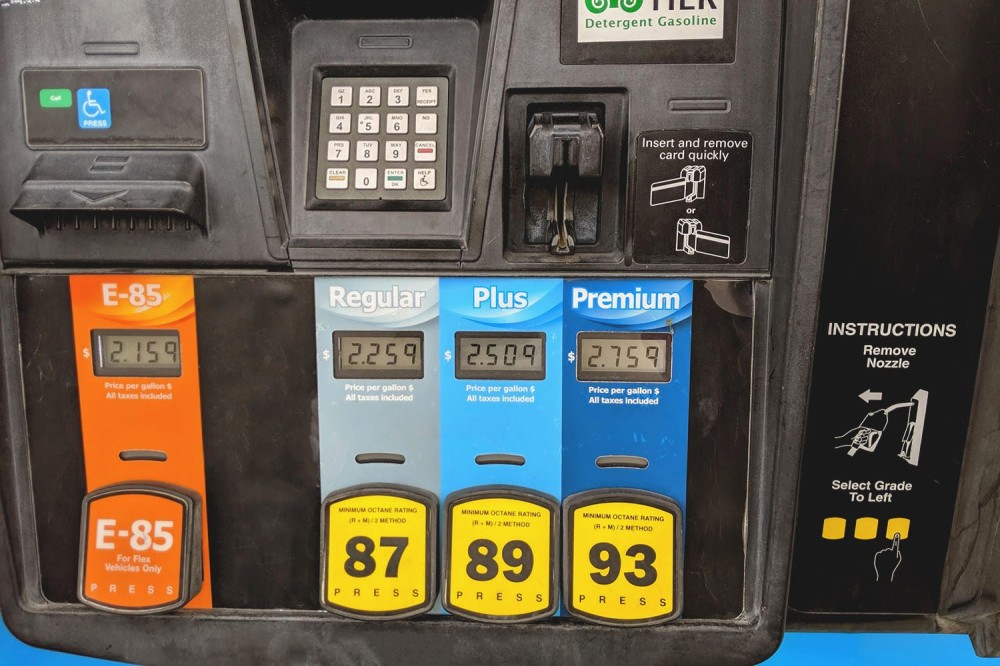
The math adds up faster than people think too.
Premium can easily cost 50 or 60 cents more per gallon. Multiply that by weekly fill-ups and suddenly you’re burning through hundreds of extra dollars a year for absolutely no benefit. Like, literally none. The engine isn’t cleaner. It isn’t happier. The car isn’t secretly thanking you.
Gas mileage myths stick around too. People swear their car gets dramatically better MPG on premium. For vehicles built for regular fuel, studies keep showing basically no meaningful improvement. Same energy content. Same commute. Just more expensive.
And honestly? Gas stations know exactly what they’re doing with those labels.
“Premium” sounds emotionally persuasive. Nobody wants to feel like they’re giving their car the bargain-bin option. But your owner’s manual does not care about your emotions. It cares about compression ratios and combustion timing.
So check the manual.
If it says regular, use regular.
If it says premium required, use premium.
If it says recommended, experiment if you want, but don’t expect some magical transformation.
Most cars are perfectly happy with the cheap button.