

1.73 Million Cars Were Repossessed Last Year, and the Numbers Are Still Climbing
by AutoExpert | 7 May, 2026
Car repossession numbers haven't looked this bad since the early '90s. Last year, 1.73 million vehicles were taken back by lenders across the United States, the highest total since 2009. And according to most analysts tracking the data, 2026 isn't shaping up to be much better.
So what happened? How did we get to a place where nearly two million people a year are losing their cars?

Why Car Repossession Rates Are Breaking Records
It starts with the loans. Between 2022 and 2024, car prices were sky-high, interest rates were climbing fast, and lenders were still handing out long-term loans to buyers who probably couldn't afford them. A lot of those loans are coming due now, and the math just doesn't work for a growing number of borrowers.
In the first quarter of this year, the average monthly payment on a new car crossed $800 for the first time ever. Let that sink in for a second. And nearly one in five buyers is paying more than $1,000 a month just for their car note. That's rent money in a lot of cities.
The people getting hit hardest are subprime borrowers, folks with lower credit scores who often get stuck with the worst interest rates. The 60-day delinquency rate on subprime auto loans hit 6.8% in February, which means roughly one in fifteen subprime borrowers is already two months behind. That's not a blip. That's a pattern.
How We Got Here
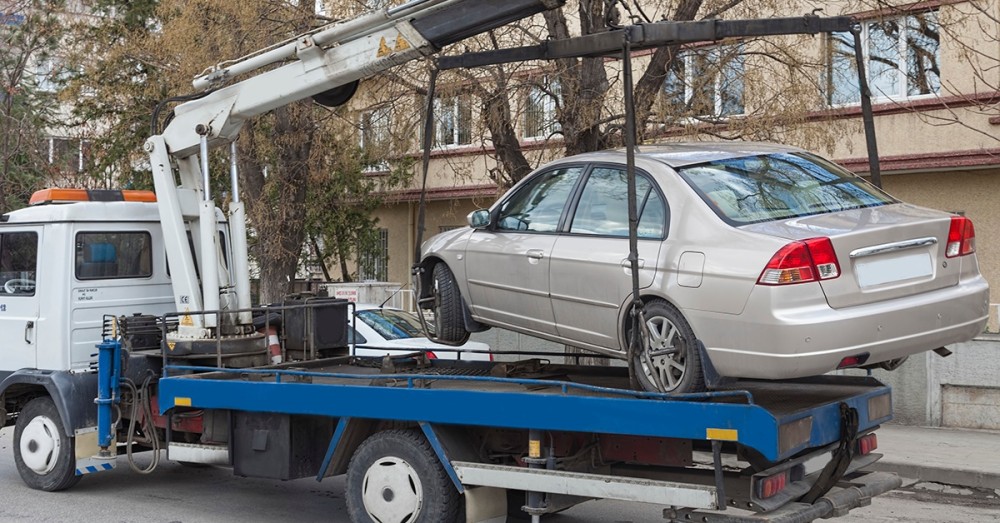
The roots of this go back to the pandemic era. When used car prices went through the roof in 2021 and 2022, people were financing vehicles at inflated values with longer loan terms to keep monthly payments looking manageable. Seven-year loans became normal. Some lenders pushed even longer.
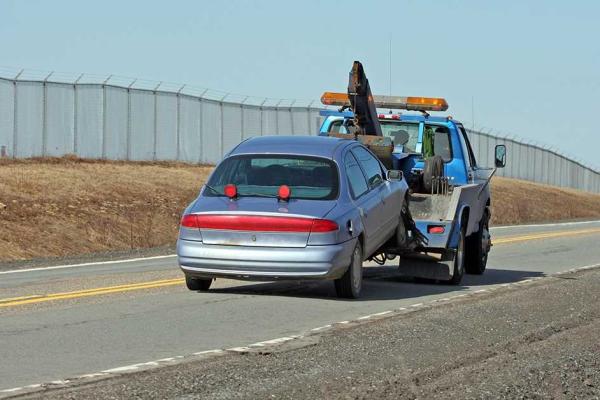
The problem is that those cars depreciated while the loans didn't. So now millions of people owe more than their car is worth, and if anything goes sideways financially, a job loss, a medical bill, an unexpected repair, they can't sell their way out of it. They're stuck, and the repo truck eventually shows up.

What You Can Do If You're Struggling
If your car payment is starting to feel like a weight around your neck, you've got options before things get ugly. The first and most important step is to call your lender before you miss a payment. Most will work with you on a modified payment plan or a short deferment if you reach out early. They'd rather adjust the terms than go through the expense of repossessing a car.
Refinancing is another avenue, especially if your credit has improved since you originally took out the loan. Even shaving a point or two off your interest rate can bring your payment down meaningfully.
And if you're upside down on the loan but can still keep up with payments, the smartest move is to stay put and keep driving. The gap between what you owe and what the car is worth shrinks over time, and selling at a loss just to get out creates a whole new set of problems.
Nobody plans to have their car repossessed. But with payments this high and wages not keeping up, more Americans are finding themselves in that exact spot. The best defense is knowing where you stand and acting before you fall behind.