
America Isn’t Going All-Electric After All
by AutoExpert | 14 May, 2026
A couple years ago, it honestly felt like gas cars were being sent to the retirement home.
Every commercial was about EVs. Every automaker had a giant electrification plan. Politicians were throwing around deadlines for the “end of the combustion engine” like we’d all be driving silent battery-powered pods by Tuesday. If you questioned it, people looked at you like you still owned a flip phone.
And then 2026 happened.
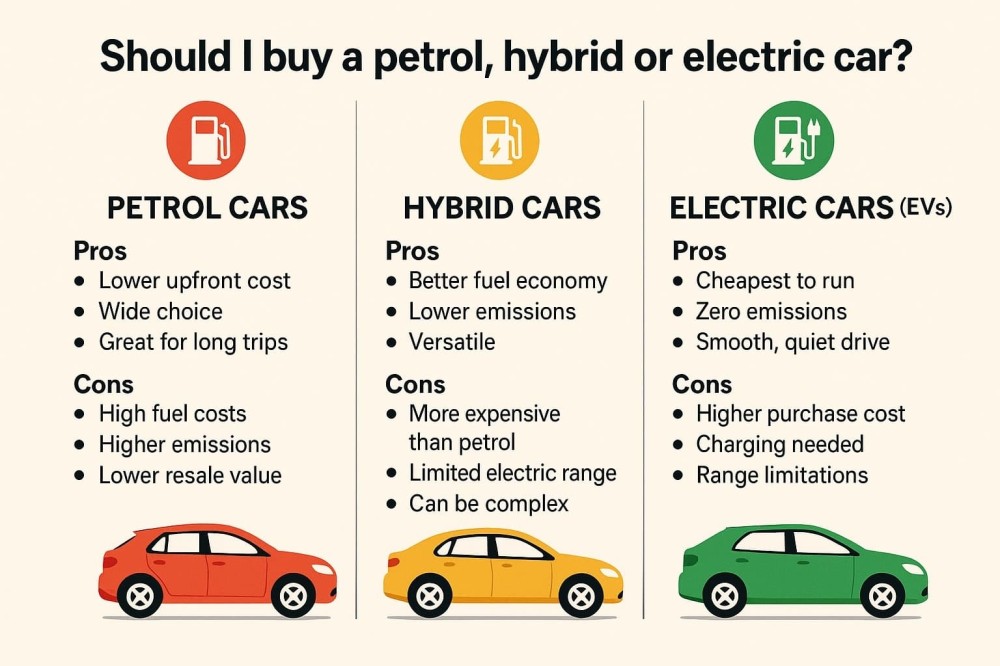
Now hybrids are suddenly the cool kids again, while fully electric vehicles are hitting a wall in the U.S. market that’s getting harder to ignore.
The sales numbers are kind of wild. Hybrid sales are exploding right now. Up around 37% this year already, with April setting records. Meanwhile EV sales have slid backward, dropping more than 35% year-to-date. A few years ago that would’ve sounded impossible.
Honestly, once you step outside the internet bubble, it makes perfect sense.
A hybrid asks almost nothing from the average driver. That’s the whole magic trick.
You still stop at a gas station. You still take road trips without planning your life around charging stations. You don’t need to convince your landlord to install a charger next to your apartment parking spot. The car just quietly gets 45 or 50 mpg while you go about your normal routine like nothing happened.
That convenience matters way more than the industry wanted to admit.
The EV tax credit disappearing last year didn’t help either. That $7,500 incentive was doing a lot of heavy lifting psychologically. A lot. Once it vanished, suddenly people were looking at a $55,000 electric crossover and thinking, “Wait... why exactly am I spending this much again?”
Especially because gas prices, while annoying, haven’t become catastrophic enough to force people into changing their entire lifestyle.
That’s really what this comes down to. Not everybody wants to redesign their day around their car.
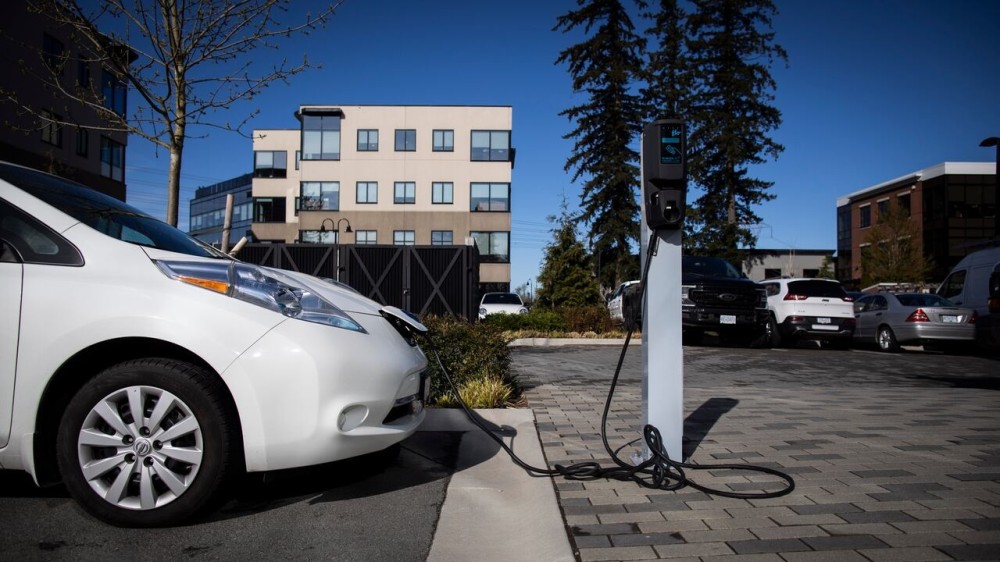
And look, EV owners will correctly point out that charging at home is fantastic if you can do it. Waking up every morning with a “full tank” is genuinely convenient. For commuters with garages and short drives, EVs make a ton of sense.
But America is huge. People road-trip. People rent apartments. People forget to charge things. People panic when the battery on their phone drops below 20%, so asking them to casually trust a charging network in the middle of nowhere was maybe always going to be a tougher sell than the industry expected.
Hybrids sneak around most of those problems.
You get regenerative braking. Better fuel economy. Lower emissions. Less time at the pump. But when the battery runs low, the gas engine just quietly takes over and nobody has to think about it. No range anxiety. No charger hunting. No awkward apps that may or may not work at the station you just pulled into at 11 p.m.
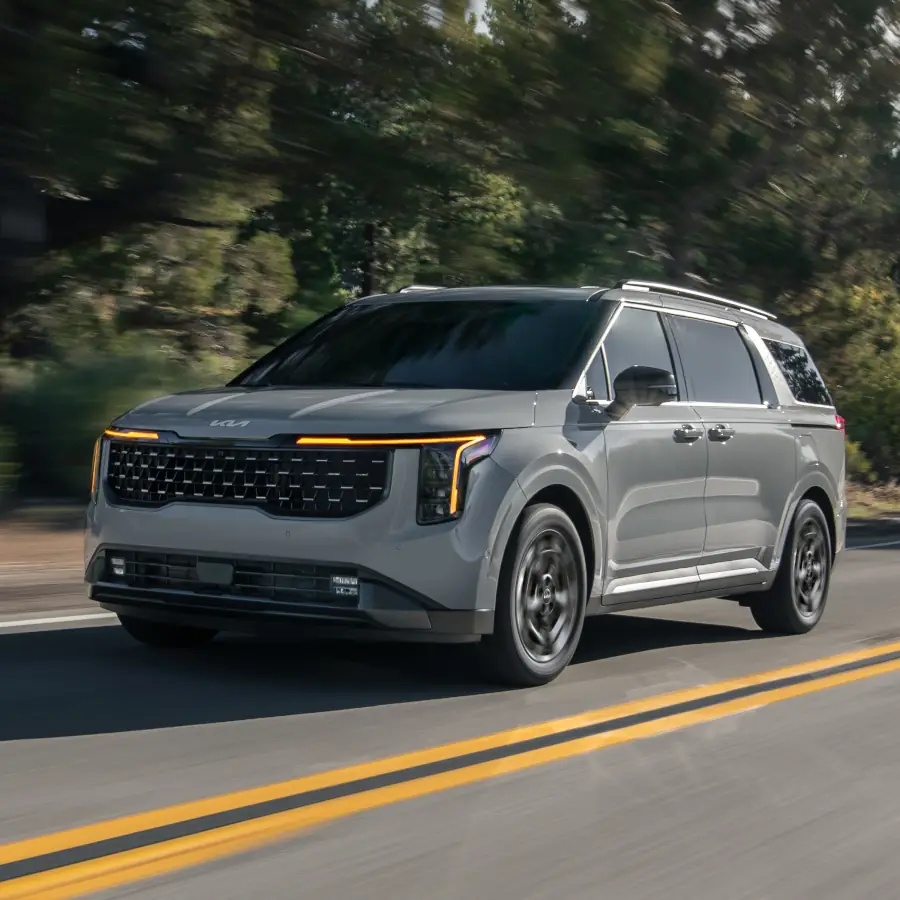
It’s the automotive equivalent of easing into the pool instead of cannonballing into freezing water.
And honestly, buyers seem to be voting for that middle ground pretty loudly right now.
This does not mean EVs are dead. Not even close. Globally they’re still growing fast, especially in places like China and parts of Europe where infrastructure and incentives are different. But in the U.S., the market seems to be saying something pretty clearly: most people still want flexibility.
At least for now.
So if someone’s shopping for a fuel-efficient daily driver in 2026 and doesn’t want their life to suddenly revolve around charging logistics, hybrids are starting to look less like a compromise and more like the sweet spot.
Which is kind of funny, because a few years ago people were acting like hybrids were just a temporary stepping stone on the way to something else.
Turns out the stepping stone is where a lot of drivers decided to stop.