Hyundai Quietly Made the Exter Better Where It Actually Counts

by AutoExpert | 26 March, 2026
The 2026 Exter sticks to what already works, with a few small changes to keep it feeling current.
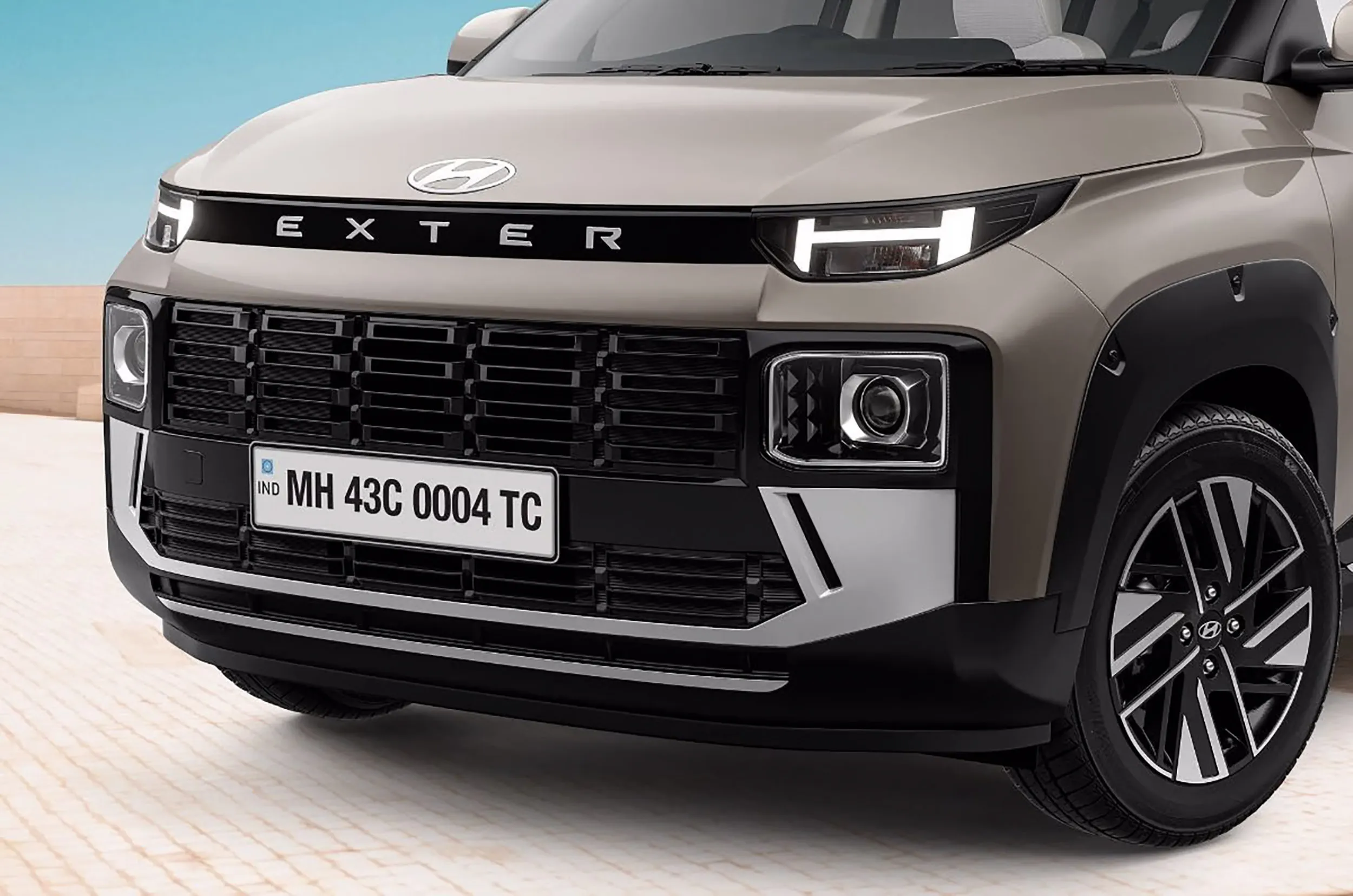
Most of it shows at the front. The split LED lights stay, including the H-shaped signature. The bumper is new, though. Bigger grille, a fresh silver insert, and the badge now sit higher. It gives the nose a slightly more upright look.
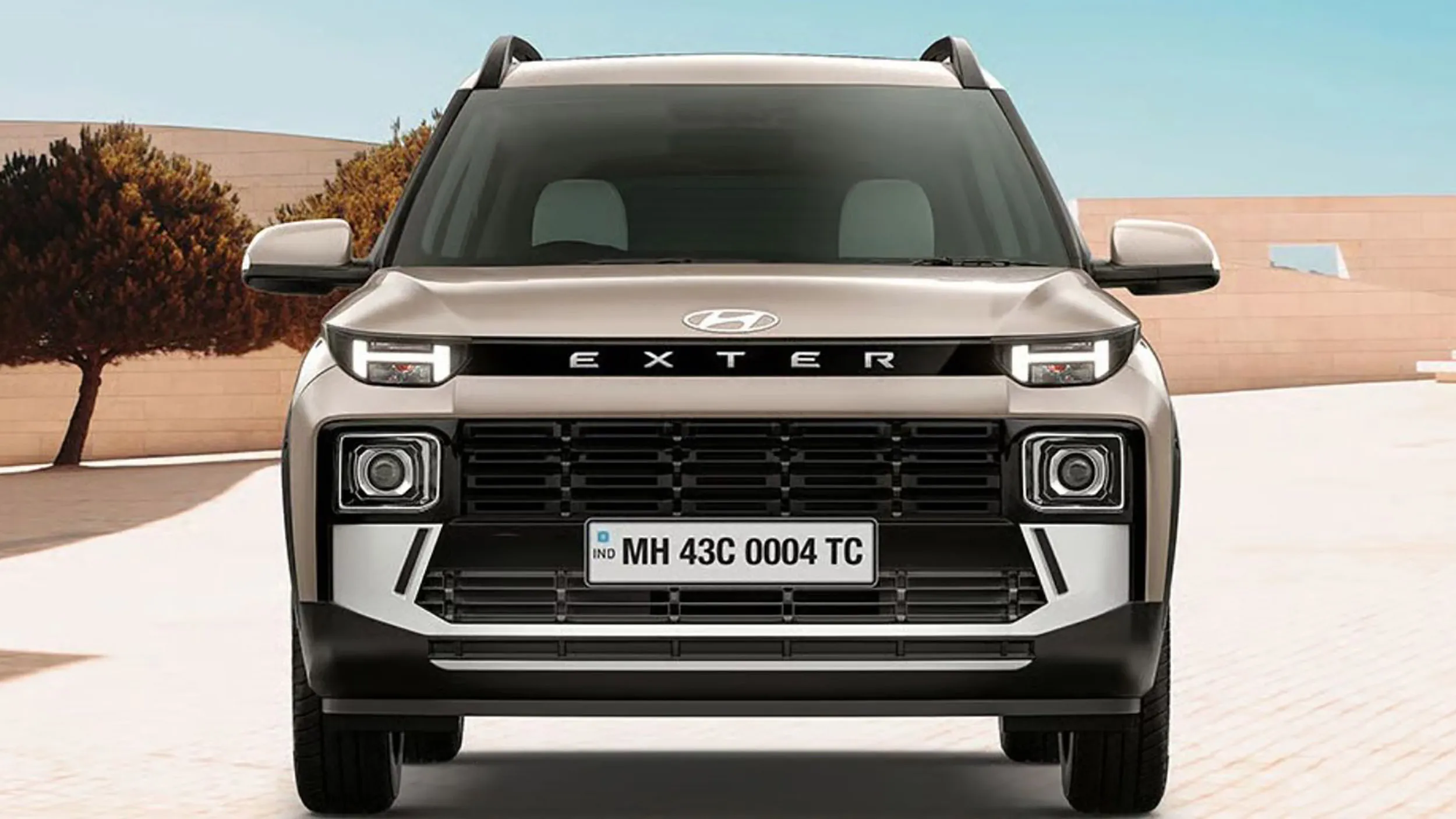
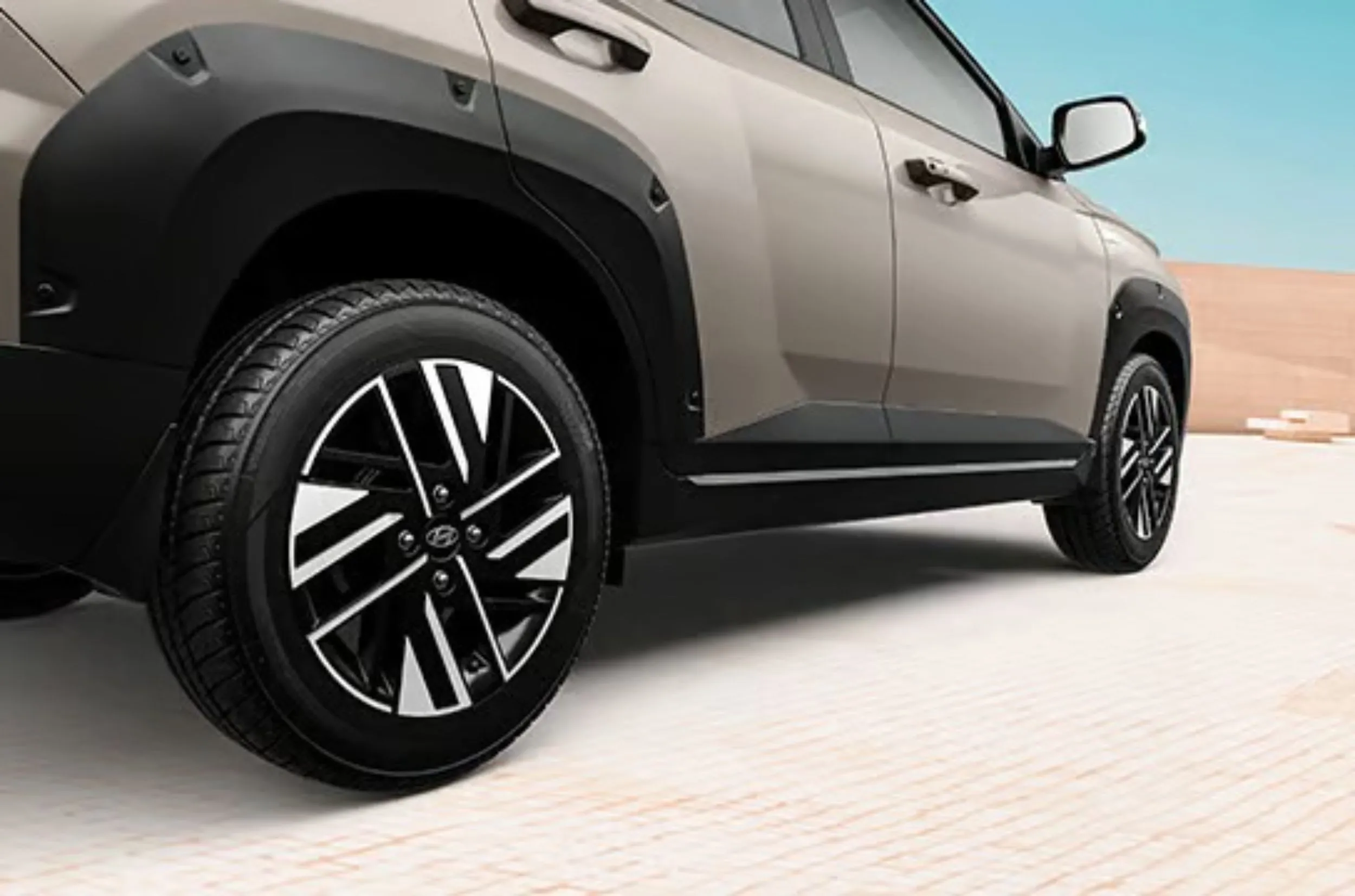
From the side, the cladding stands out more. It is thicker and shaped like bolt-on fenders, which helps the car look a bit tougher. The 15-inch wheels still feel a little small for the body.
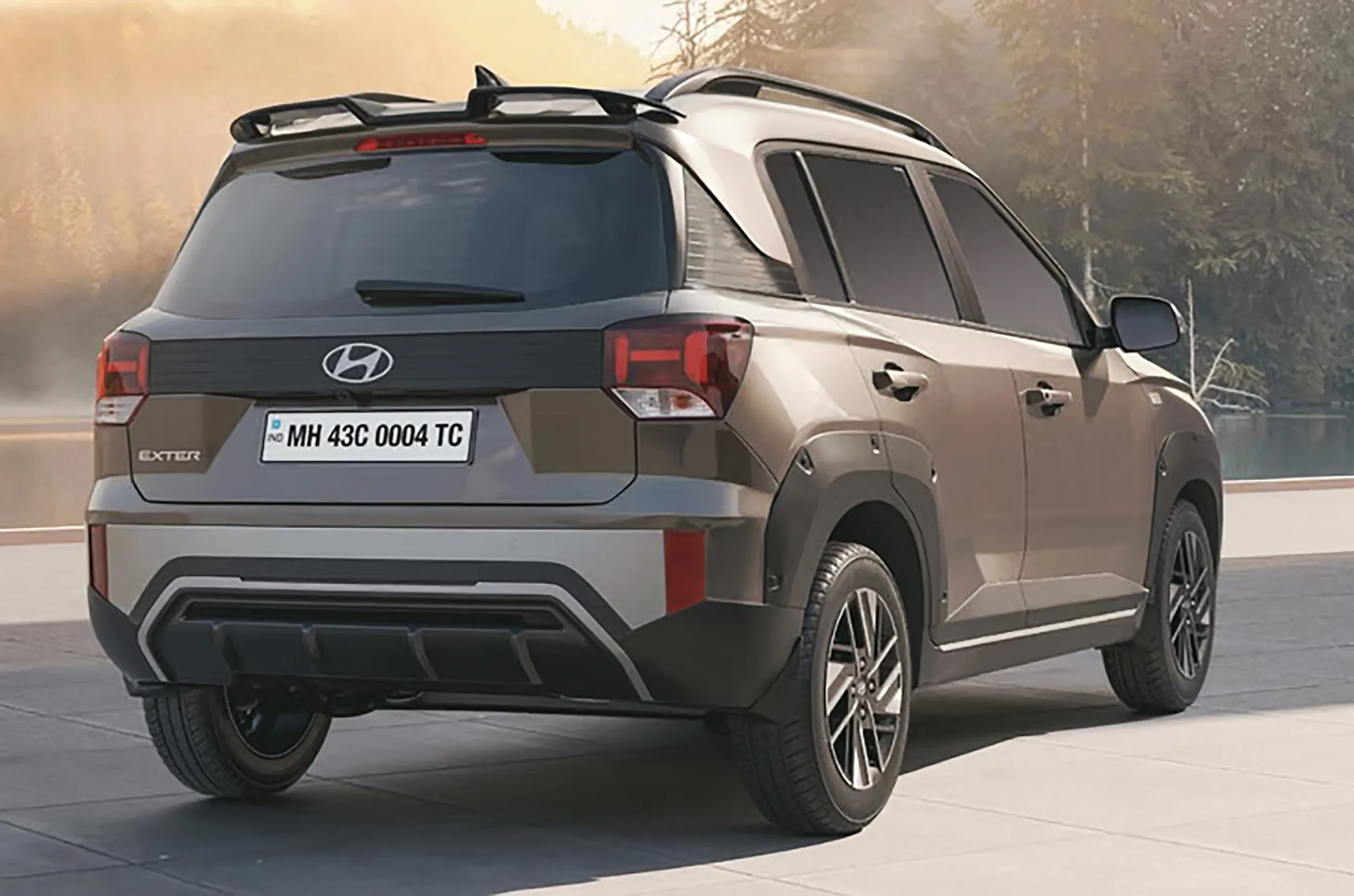
At the back, the changes are subtle. New roof spoiler with a twin wing design, simpler trim between the taillights, and a revised bumper. Hyundai also adds new colors, including matte black and a bronze shade.
Size stays the same. It is still under 4 meters long, which matters for tax rules in India. It remains the smallest SUV in Hyundai’s lineup, but it is still larger than the Casper.
Inside, the focus is on daily use. The 8-inch screen now supports wireless Apple CarPlay and Android Auto. There is also a new blue and grey interior and a carbon-style dashboard finish.
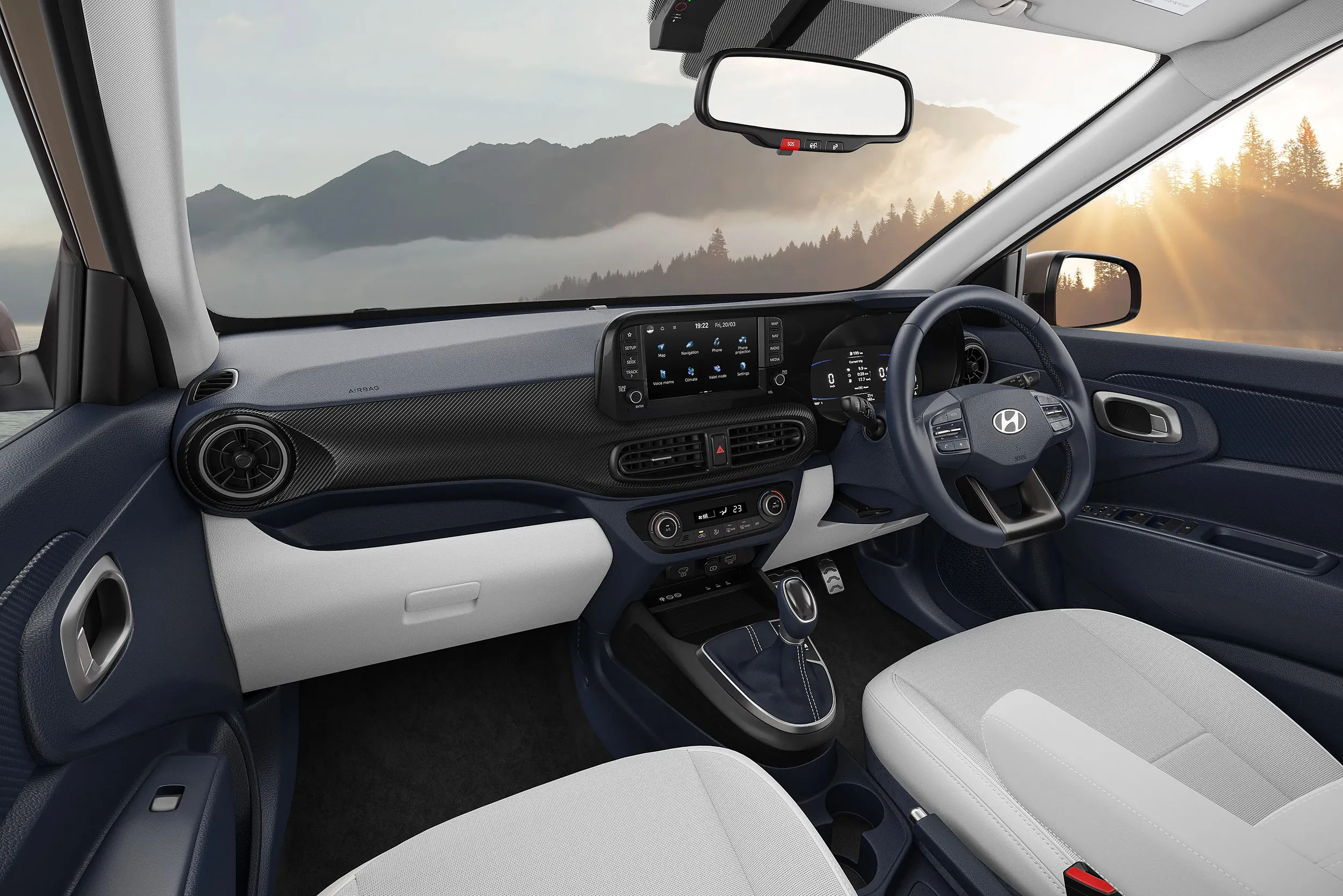
Hyundai also adds a few useful touches, like a built-in dashcam, flat-bottom steering wheel, metal pedals, a center armrest, and USB-C ports. They are small things, but you do notice them in daily use.
More importantly, the standard kit gets better. The height-adjustable driver seat is now standard across the range, along with six airbags, ESC, and hill start assist.
Under the hood, it stays the same. The 1.2-liter petrol makes 82 hp. The CNG version drops to 68 hp. This is built for daily driving, not speed.
Boot space depends on the version. Petrol gets 391 liters, which is decent. CNG drops to 225 liters because of the tanks.
Pricing ranges from Rs 5.80 lakh ($6,200) to Rs 9.42 lakh ($10,000). It is a slight increase, but it still sits well below models like the Venue.