How to Maximize EV Range in Winter Without Losing Your Mind
by AutoExpert | 10 February, 2026
EVs and winter don't always play nice. Batteries hate the cold, cabin heaters suck down power like crazy, and those perfect range numbers from the EPA start looking like fairy tales once temps drop below freezing.
But losing range in winter doesn't have to completely mess up your day. A few smart moves and some basic prep can squeeze way more miles out of an EV when it gets cold. Here's how to keep things running without losing your mind.
Why Cold Kills EV Range
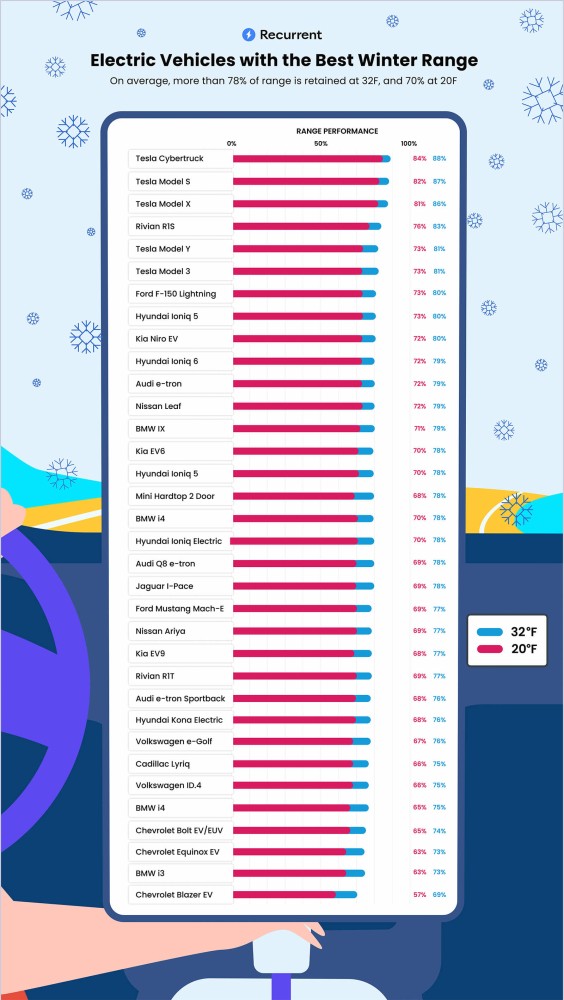
First winter with an EV can be a shock. A car rated for 300 miles might barely hit 240. Nothing's broken though. It's just how batteries work.
Lithium-ion batteries like a specific temperature range. Cold slows down the chemical reactions inside, which means less power available and slower charging. Plus electric heaters pull tons of energy. Gas cars get cabin heat basically free from engine waste. EVs have to pull every bit of warmth straight from the battery.
That double whammy is why winter range takes such a hit. The good news is it's predictable and manageable.
Warm It Up Before Driving
Easiest trick in the book: preconditioning. Most EVs let you heat the cabin and battery before unplugging. Basically giving the car a head start while it's still drawing power from the wall instead of the battery.
A warm battery delivers more power, charges faster, and handles regen braking better. Getting the cabin toasty beforehand saves battery for actual driving. Lots of EVs can do this automatically on a schedule. Set it once and forget it, or just fire it up manually through the app.
Use Seat Heaters Instead of Blasting Heat
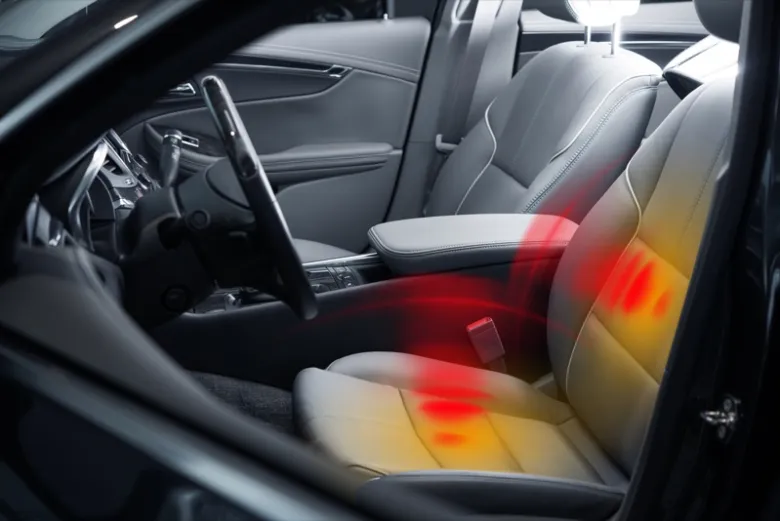
The main cabin heater is one of the biggest battery drains in winter. Seat heaters and heated steering wheels use way less power because they warm you directly instead of heating all the air in the car.
Crank those up and keep the cabin temp lower. Not saying freeze to death, just don't default to maxing out the heat when the seats can do most of the work.
Drive Like You're Not in a Hurry
Cold weather makes aggressive driving hurt even more. Flooring it, high speeds, and hard braking all chew through range faster when the battery's already struggling.
Smooth acceleration, easier stops, keeping speeds reasonable, all that helps. Even dropping from 75 mph to 65 on the highway adds back real miles. And don't stress about watching the range number bounce around constantly. It'll drive you nuts. Just keep an eye on battery percentage instead.
Keep the Battery Above 20 Percent
When it's cold and the battery gets really low, the car can struggle to deliver full power since the cells aren't in their happy zone. Staying above 20 percent or so keeps things running smooth and regen working right.
Charging somewhere warm helps too. Even an unheated garage is better than outside in the wind.
Check Tire Pressure
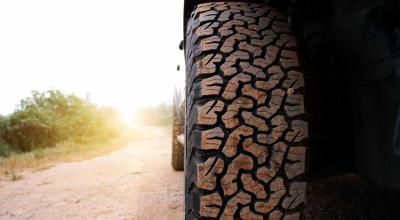
Tire pressure drops about 1 psi for every 10 degrees the temp falls. Soft tires create more resistance, which burns extra energy for no reason.
Check pressures regularly when it's cold and keep them where the manufacturer says. If there's real snow and ice around, winter tires are safer and can actually be more efficient than all-seasons that've gone stiff from the cold.
Use Eco Mode
Most EVs have some kind of efficiency mode that dials back power, adjusts climate control, and tweaks other stuff to save range. Not the most thrilling way to drive but on a freezing day with a long gap between chargers, it can really help.
Plan Charging Stops Differently
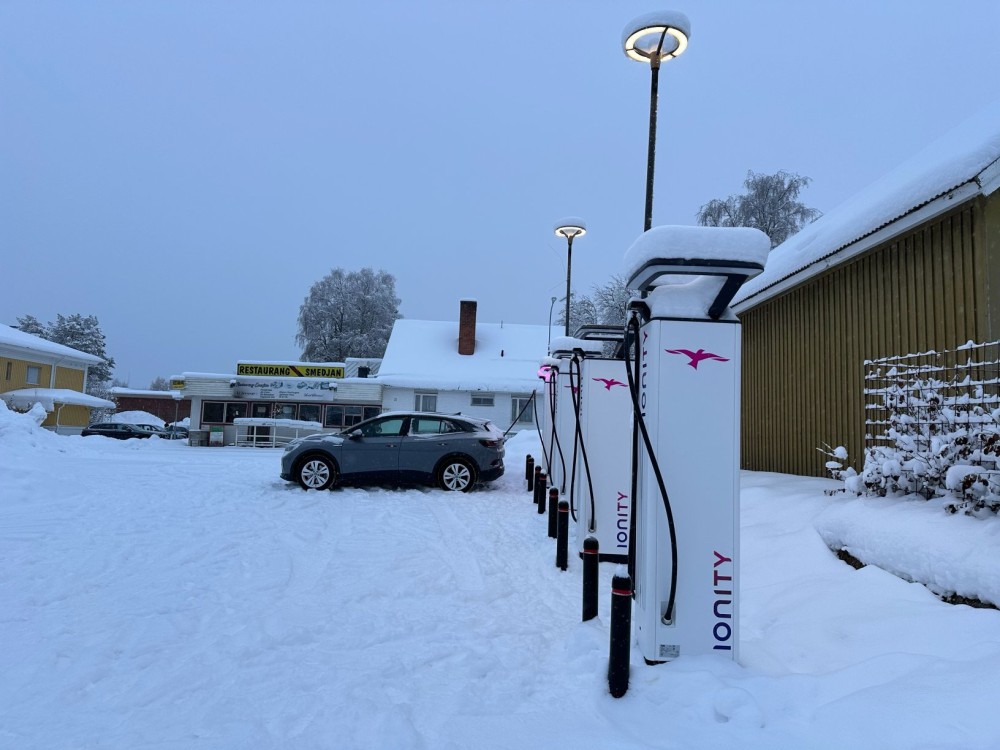
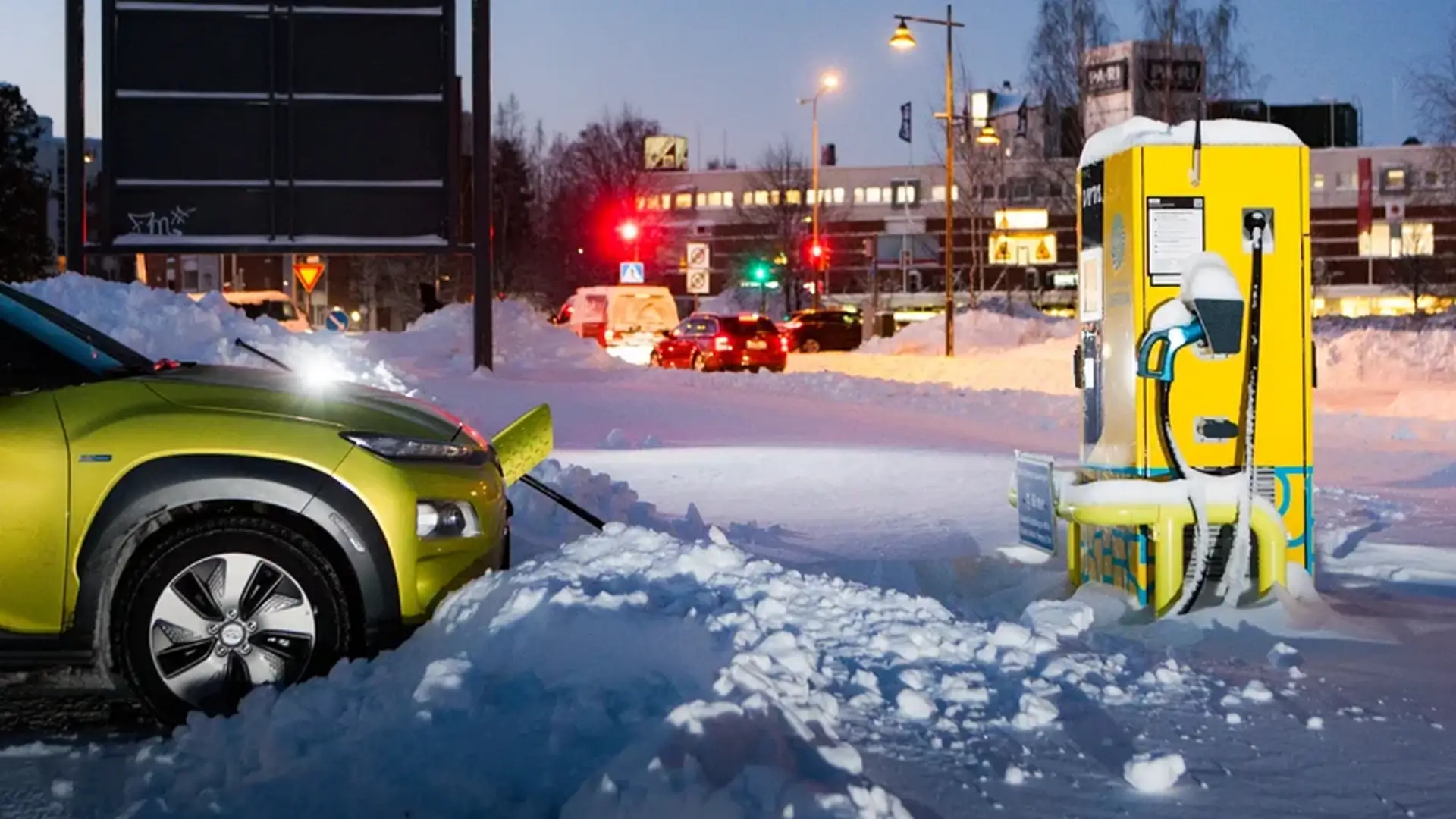
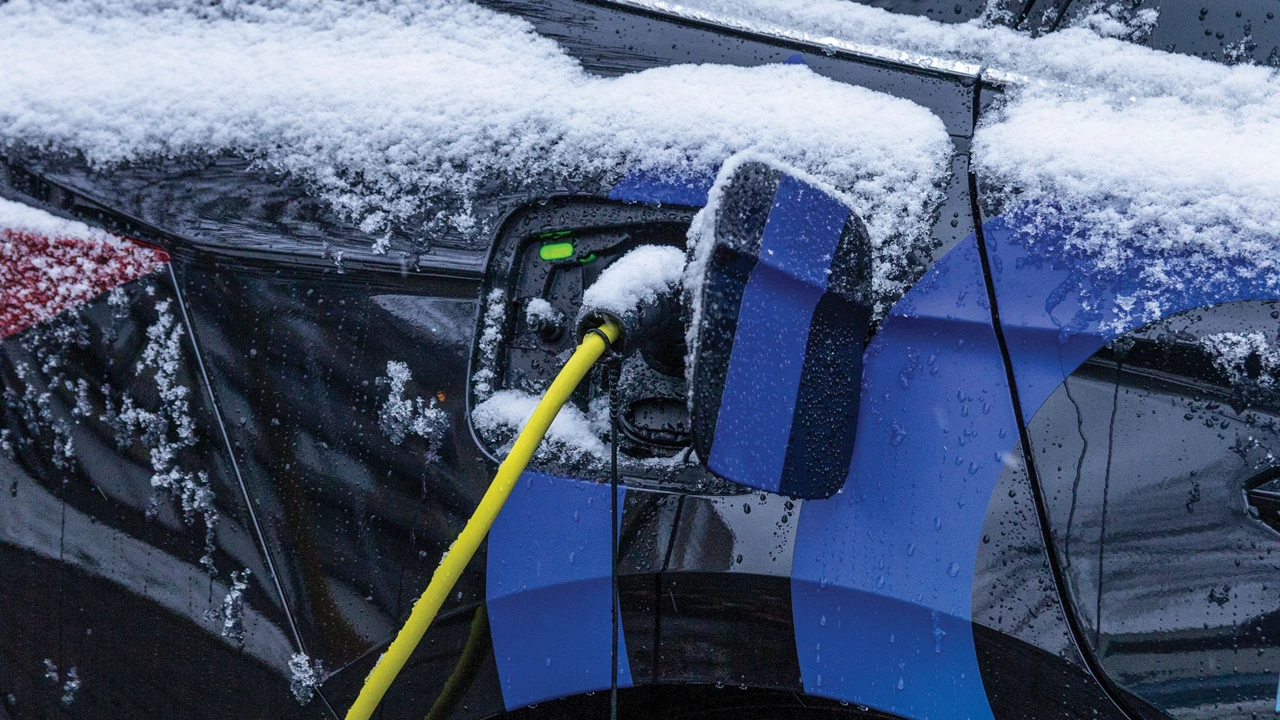
Cold batteries charge slower. Sometimes way slower. The car might need a few minutes just warming itself up before charging even starts.
Apps like PlugShare or the car's built-in nav can help plan around this. Some EVs will automatically preheat the battery when you're heading to a fast charger. If that's an option, use it. Makes a huge difference. Also smart to pick chargers near shops or food so you're not just sitting in a frozen parking lot.
Couple Other Things
Roof boxes, bike racks, extra junk in the trunk, all that hurts efficiency more when range is already tight. If you're not using it, take it off or pull it out.
Where the car sits overnight matters too. A garage keeps the battery way warmer than outside. Even a carport or a spot out of the wind helps. Parking facing the sun can give the cabin a little passive warmth in the morning.
Bottom Line
Some winter range loss is just gonna happen. That's part of the deal with EVs in cold places. But you're not helpless. Precondition when you can, use seat heaters, drive smooth, watch tire pressure, plan charging smart. All that adds up.
The car won't hit EPA numbers in January but it also won't leave you stuck. Once these habits become routine, winter stops being such a hassle and the EV just becomes a normal daily driver that happens to need a little extra thought when it's cold out.