
How Some People Actually Get a Car to 300,000 Miles

by AutoExpert | 16 April, 2026
Everyone knows someone with a car that just refuses to die.
It is usually not pretty. The paint is tired, one of the buttons stopped existing emotionally years ago, and the inside smells faintly like old coffee and responsibility. But the thing keeps going. And not by accident.

Cars that make it to 300,000 miles usually do not get there because their owner got lucky. They get there because someone kept doing the boring stuff long after most people would have started cutting corners.
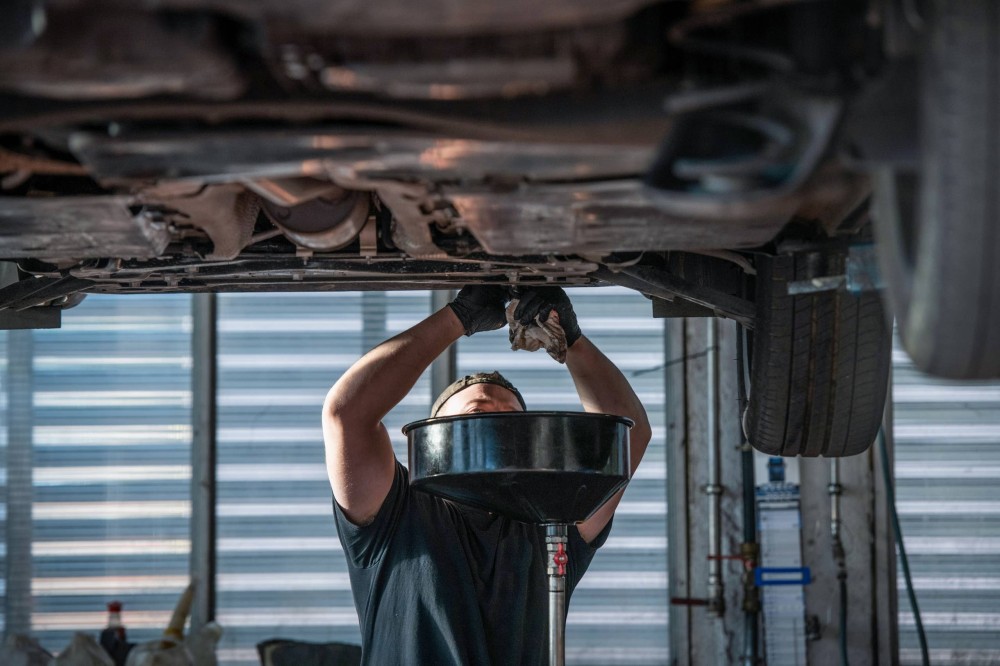
Oil changes are the obvious one, but they are obvious for a reason. The people who get huge mileage out of a car are not casual about oil. They do not play games with it, they do not keep pushing it off, and they definitely do not treat the check engine light like a scheduling suggestion. Good oil, changed on time, over and over again. That is the foundation of the whole thing.
They are also not the type to beat on a cold car. A lot of wear happens early, when fluids are still thick and everything is still waking up. People who keep cars forever tend to drive gently at first without making a whole performance out of it. They just know that flooring it two minutes after startup is a dumb way to shorten the life of an engine and transmission.
And then there is the stuff most people talk themselves out of dealing with.
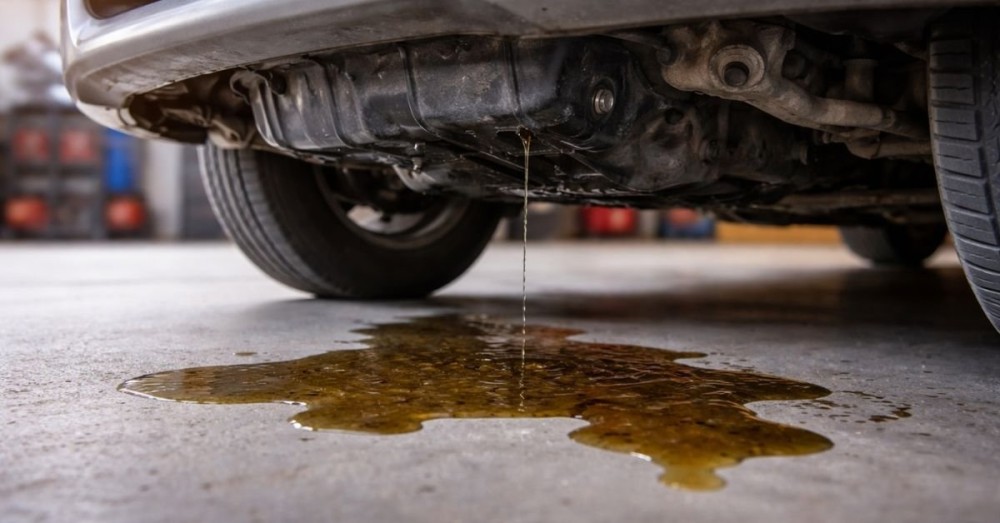
The little leak. The weird smell. The faint noise that only happens sometimes. The small problem that does not seem urgent yet. The owners who get to 300K are usually the ones who do not ignore that stuff for six months and then act shocked when it turns expensive. They deal with things while they are still annoying instead of waiting until they are catastrophic.
Same with fluids. The people who get serious mileage out of a car are usually annoyingly respectful about using the right ones. Not close enough. Not whatever was cheapest on the shelf. The actual stuff the car is supposed to have. Modern cars are too picky for improvisation to work for long.
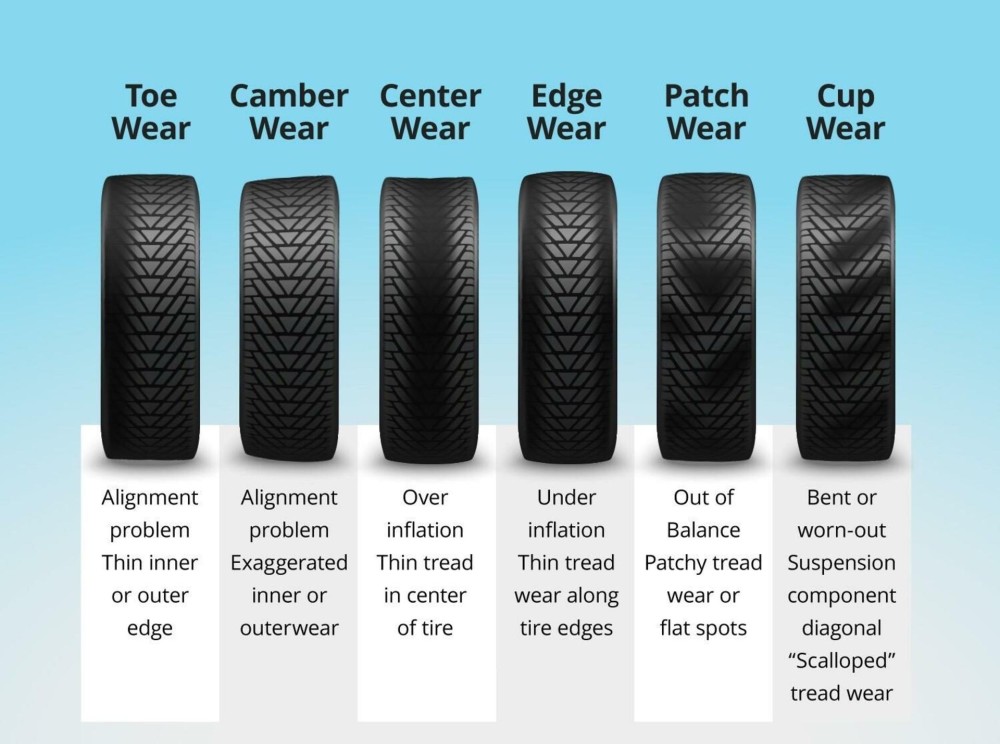
They also tend to notice things other people miss. Tire wear. Brake feel. Rust starting underneath. That is another big one, especially anywhere winter means salt. A car can be mechanically solid and still get taken out by corrosion if nobody is paying attention. The owners who keep a car alive for ages usually know that rust is not cosmetic once it starts getting serious. It is structural. It is expensive. And it does not wait politely.
Driving style matters too, probably more than people like hearing. Cars that make it to huge mileage usually are not spending their lives being launched away from red lights, thrown into corners, or treated like they owe somebody money. Smooth driving is easier on everything. That is not exciting advice, but neither is replacing parts early because the car spent ten years being driven with unresolved rage.
And maybe that is really the whole thing.

Cars that make it to 300,000 miles are usually owned by people who pay attention. Not obsessively. Not in a precious way. They just listen when the car starts hinting that something is off. They fix small things. They stay ahead of the obvious stuff. They do not wait for the car to force the issue.
That is the magic, if there is any. Nothing clever. Nothing secret. Just consistency, patience, and a willingness to do the boring things before they become expensive things.