
Gas Prices Are Forcing a Lot of Drivers to Rethink EVs All Over Again
by AutoExpert | 10 April, 2026
Every time gas prices jump, the same thing happens. People who were perfectly happy to ignore EVs start opening a calculator.
That is happening again right now, and this time it feels different.
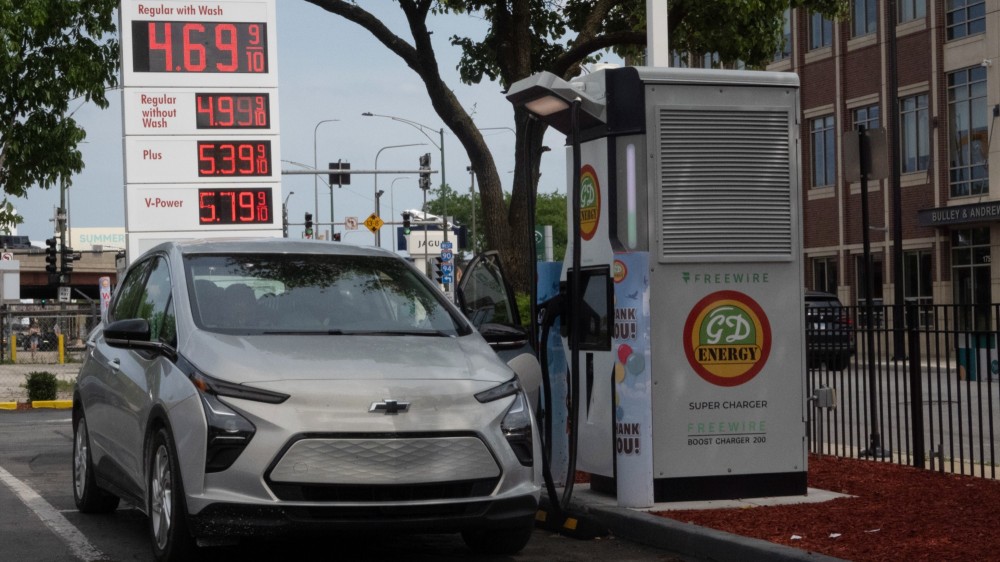
For years, electric cars had a very specific problem. Plenty of people liked the idea of them, but not enough liked the hassle that seemed to come with them. Charging felt inconvenient, range still made people nervous, and the whole thing seemed easier to postpone. Then fuel costs started climbing again, and suddenly the math got a lot harder to ignore. Reuters reported this week that higher petrol prices are already being seen as a real catalyst for EV demand, as long as electricity remains affordable enough to make the switch feel worthwhile.
That is really what changes people’s behavior. Not abstract climate arguments. Not glossy commercials. Monthly spending.
When filling up starts feeling like a personal insult, drivers look at electric cars with fresh eyes.
Automakers can see that happening, which is why so many of them are suddenly getting more aggressive. Ford is still leaning on its Power Promise program, which includes a complimentary home charger and standard installation for eligible EV buyers. BMW is pushing the new iX3 with an 800-volt setup that can add about 175 miles of range in 10 minutes. Porsche says the Cayenne Electric is reaching U.S. customers later this summer. And Kia is still planning an electric pickup for North America, which says a lot about how seriously brands are taking the next phase of EV demand.
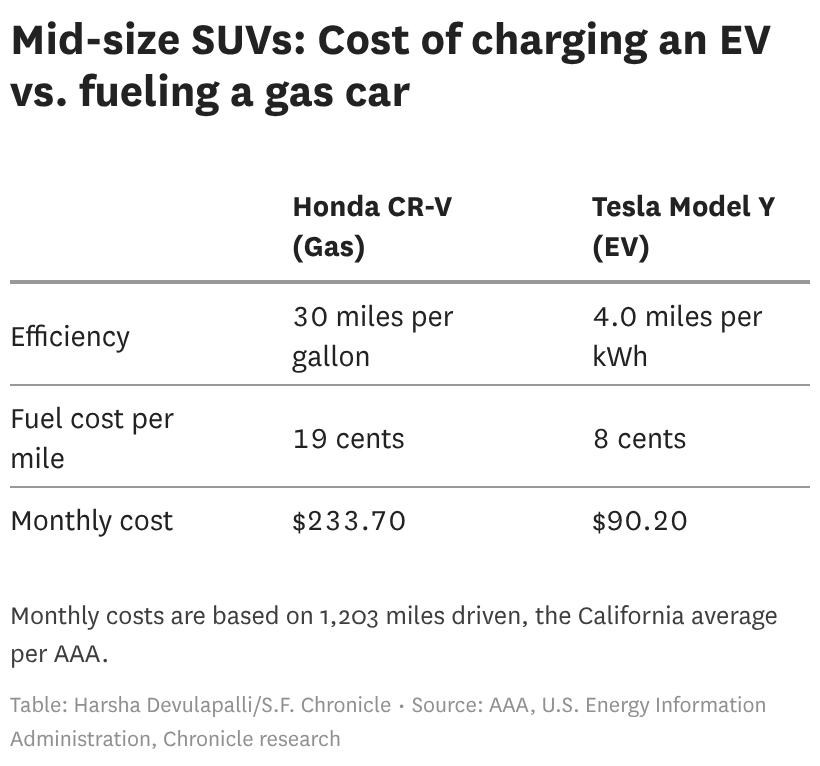
At the same time, the whole shift is not neat and tidy. It never is.
Tesla is having a rough stretch, with Reuters reporting slowing demand and a widening production-delivery gap that points to growing inventory pressure. That matters because it shows the EV market is not moving in one clean direction where every brand wins at once. Some companies are finding momentum. Some are getting squeezed. Some are discovering that building electric cars and actually selling them in big numbers are not the same thing.
That messiness is part of what makes this moment interesting.
Because the broader trend still looks pretty clear. Used EVs are getting easier to justify, incentives are still out there, and newer models are starting to chip away at the two excuses people used most often: charging time and convenience. The question is not really whether EVs make sense for everybody. They still do not. The real question is whether they now make sense for a lot more people than they did a year ago.
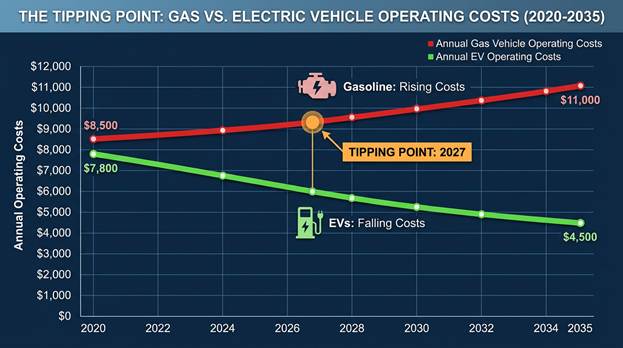
And the answer to that is starting to look like yes.
Not because drivers suddenly became idealistic. Because a tank of gas got expensive enough to make them curious.
That is usually how these shifts happen in real life. Quietly, a little grudgingly, and one monthly budget at a time.