The Cars That Cost the Most (and Least) to Own After 5 Years — Based on Actual Data
by AutoExpert | 17 June, 2026
The sticker price is the beginning of what a car costs, not the end. What you pay over the next five years in maintenance, repairs, and reliability surprises adds up to a number that can exceed the difference between one model and another at purchase — sometimes significantly.
The gap between the most and least expensive vehicles to own over five years is not small. According to Consumer Reports maintenance data, the spread between the costliest brands and the cheapest can be $2,000 to $3,000 — just in the first five years.
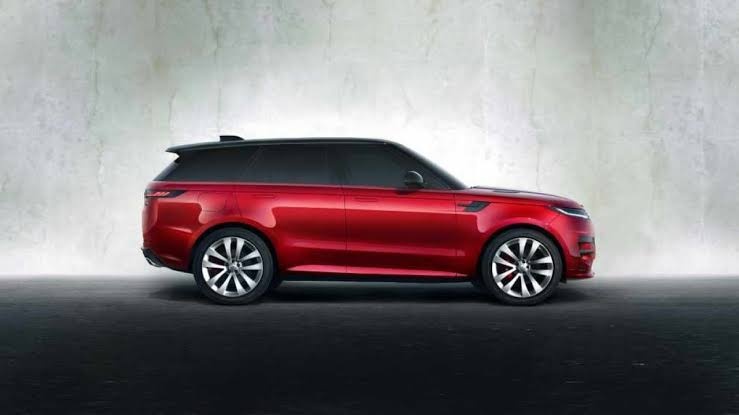
The Most Expensive Cars to Own
Land Rover sits at the top by a significant margin. Average five-year maintenance costs for Land Rover vehicles run around $3,700, and that doesn't account for the larger unplanned repair bills that tend to arrive around the 60,000 to 80,000 mile mark. The brand builds genuinely impressive off-road capability, but the complexity of its air suspension systems, electrical architecture, and the premium cost of its proprietary parts make ownership after the warranty period genuinely painful.

Mercedes-Benz runs around $3,500 in five-year maintenance costs. Audi is similar. Both brands have moved aggressively toward complexity — turbocharged engines, sophisticated driver-assistance systems, air suspension options — and the parts and labor to service these systems are expensive at any shop, and more expensive still at a dealer.
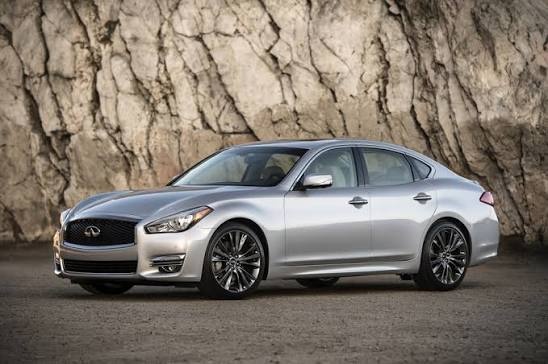
Infiniti comes in around $2,120 for five years, which sounds better until you remember that an Infiniti is essentially a Nissan with more elaborate systems and more expensive parts. The base reliability is fine; the cost to maintain the premium features is where it gets spendy.
The Cheapest Cars to Own
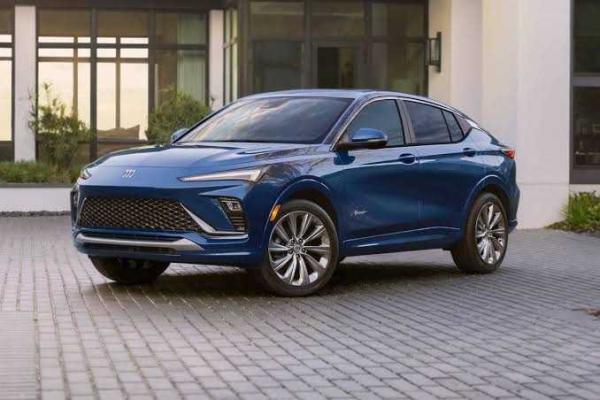
This is where things get interesting. According to Consumer Reports, Buick lands near the top for lowest cumulative maintenance costs in the first five years — an average of around $1,160. That's a number that surprises most people, because Buick's reputation doesn't usually lead people to think "bargain to own." What's actually happening is that Buick shares a lot of mechanical DNA with Chevrolet, which means parts are widely available and labor is not specialized.
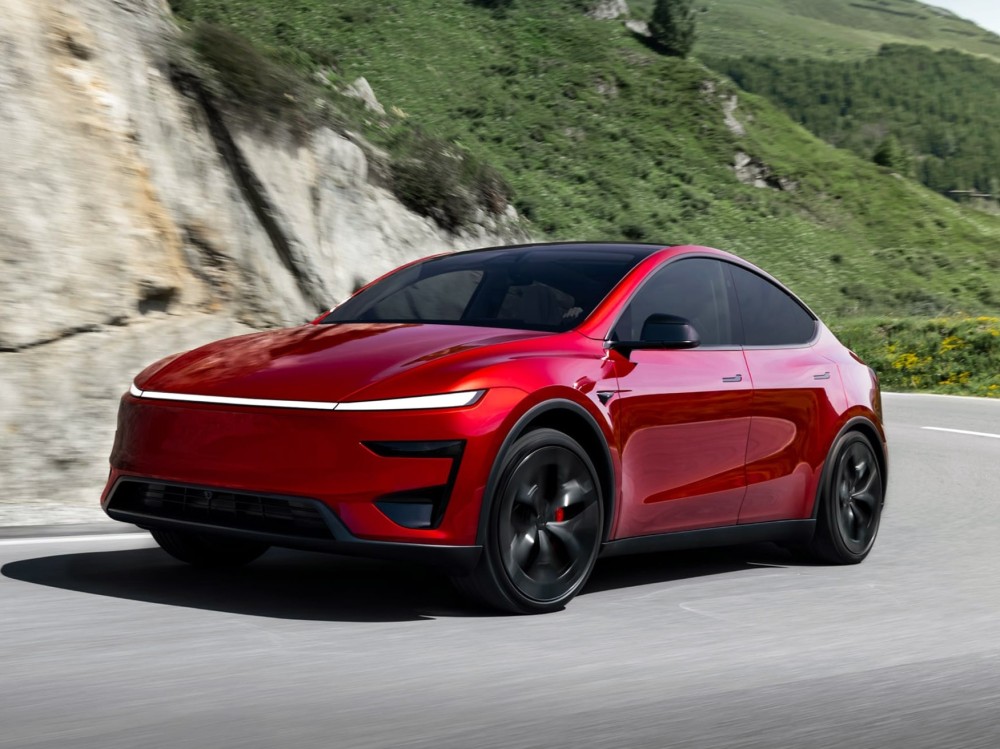
Tesla clocks in near the bottom as well. Electric drivetrains have dramatically fewer maintenance requirements than combustion engines — no oil changes, no spark plugs, no transmission fluid, fewer brake jobs because of regenerative braking. The trade-off is repair costs when something does go wrong (body panels especially), and battery replacement costs that haven't yet materialized at scale but represent a potential future expense.
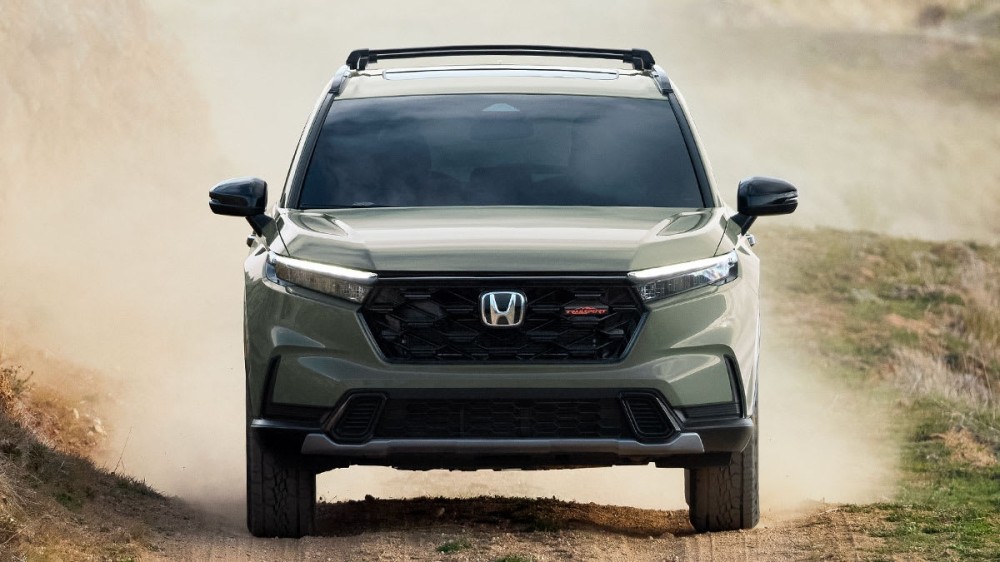
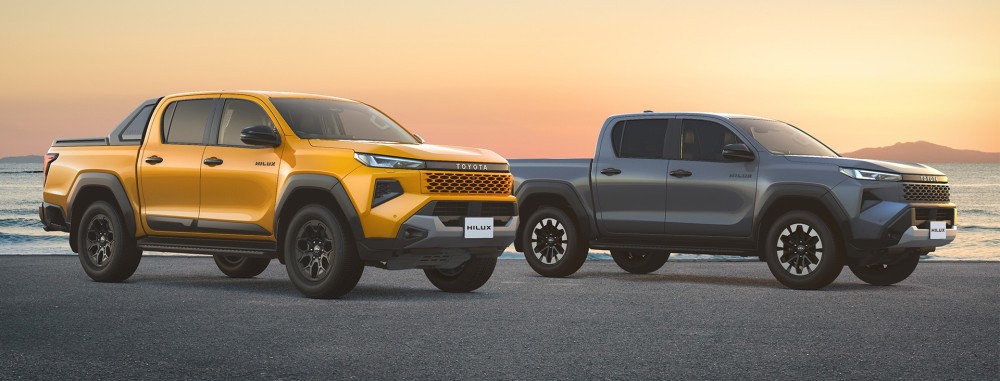
Toyota and Honda sit comfortably in the lower half of the cost-to-own spectrum. Their reliability means fewer unplanned repairs, and their parts are widely available and competitively priced.
The Right Way to Factor This In
When comparing two cars at similar price points, run a five-year cost-to-own calculation. The tools on Edmunds and Consumer Reports will do the math for you: depreciation, fuel, insurance, maintenance, and repairs. A car that costs $3,000 more at purchase but $200 a year less to maintain is a better value over a five-year period than the inverse.
The most expensive car you can buy is the one that surprises you every six months with a repair you didn't see coming.