The Cars America Killed… And Now Kind of Regrets
by AutoExpert | 30 April, 2026
There’s a weird pattern in the U.S. car market. We stop buying something, automakers kill it, and then a few years later everyone starts asking, “wait… why did we get rid of that?”
A lot of the biggest “holes” in today’s market didn’t come from bad cars. They came from decisions that made sense on paper, but left entire segments basically empty.
The biggest domino? Ford walking away from cars.
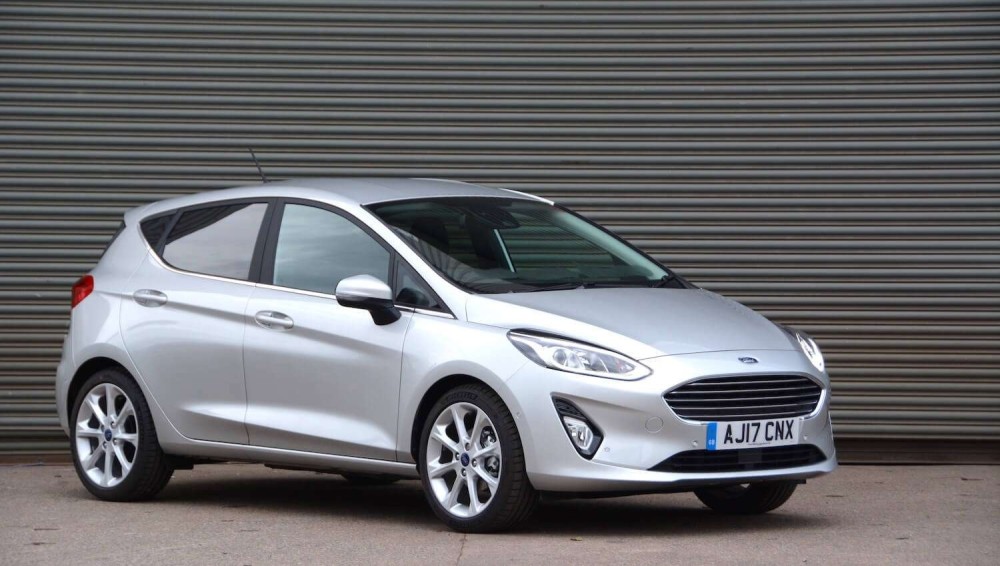
When Ford Motor Company pulled the plug on the Fiesta, Focus, and Fusion, it didn’t just kill a few models. It sent a message to the entire industry: affordable cars don’t make enough money, go build SUVs instead. And everyone listened.
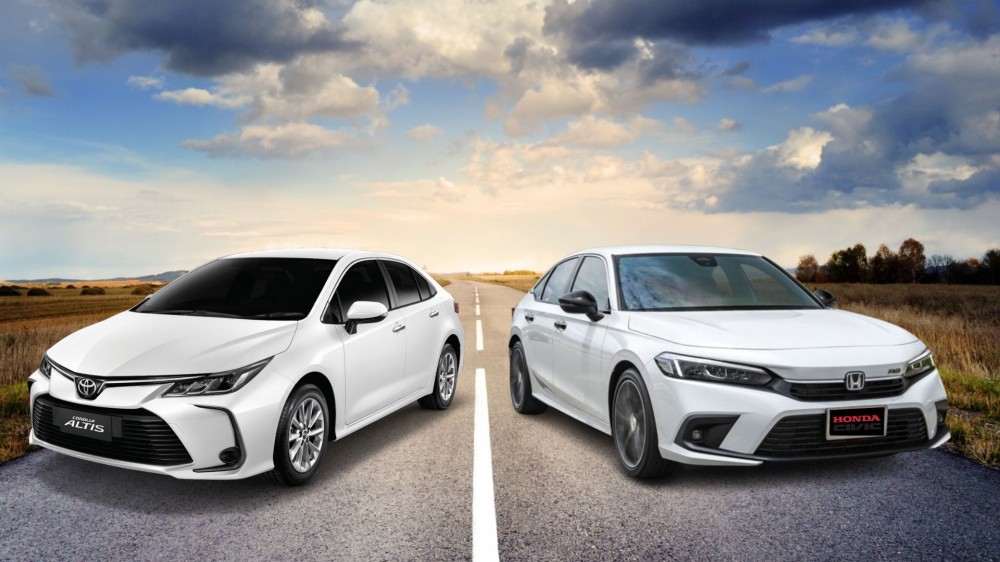
Now look around. If you want a simple, cheap, no-nonsense car, your options are… limited. The Civic and Corolla got bigger and more expensive. Everything else turned into a crossover.
That leads straight into the next missing piece: small, affordable trucks.
There used to be a whole category of basic pickups. Manual transmission, regular cab, cheap enough that you didn’t think twice about using them as actual work tools. Today? Even the smallest trucks are pushing into $30K to $40K territory. The idea of a truly affordable pickup is basically gone, and people definitely notice.
Then there are the small, clever cars we quietly lost.
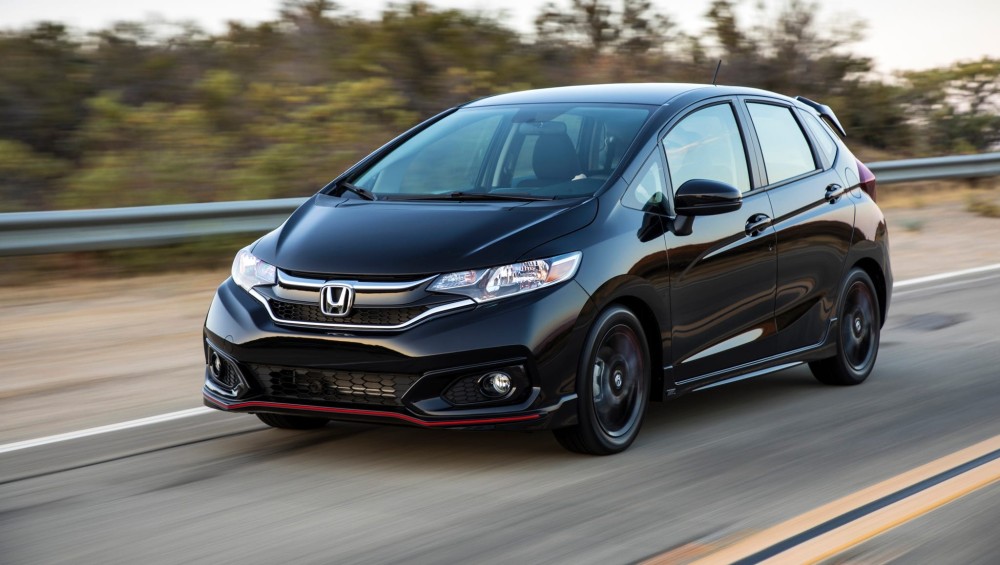
The Honda Fit is a perfect example. Not fast, not flashy, but ridiculously practical. You could fold the seats a dozen different ways and fit things inside it that had no business fitting in a car that small. It disappeared, and nothing really replaced it.
Same story with the Toyota Matrix and its twin, the Pontiac Vibe. They were basically early crossovers before crossovers took over everything. Cheap, tough, and useful. Now that space is filled by more expensive, bulkier vehicles.
And then there are wagons. Or what’s left of them.
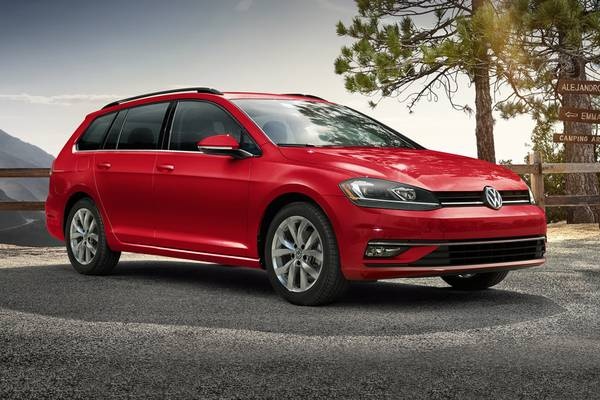
Cars like the Cadillac CTS Wagon or the Volkswagen Golf SportWagen proved you could have space, good driving dynamics, and practicality without jumping into a giant SUV. But unless you want to spend luxury money, that option is basically gone now.
Some cancellations weren’t about practicality, though. They were about personality.
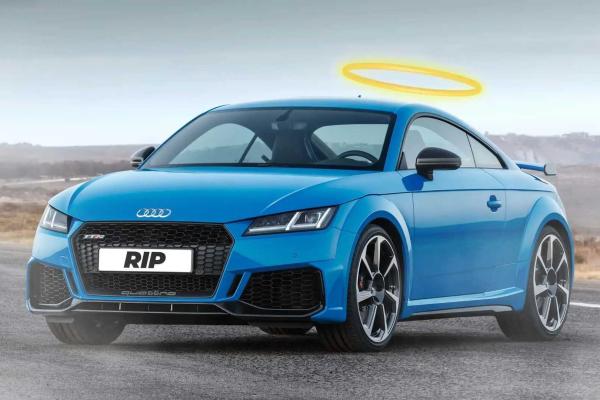
The Mitsubishi Lancer Evolution disappearing didn’t just remove a car. It killed a rivalry. The Evo versus WRX era gave people a reason to care about affordable performance. Without it, something about that whole segment feels quieter.
And then there are the cars that represented a completely different mindset.
The Lincoln Town Car was not trying to be sporty or modern. It was about comfort. Big, soft, quiet, float-down-the-highway comfort. When it disappeared, it wasn’t replaced. The market just moved on to SUVs pretending to do the same job.
That’s really the pattern behind all of this.
We didn’t just lose specific models. We lost entire ideas:
- cheap, simple transportation
- small trucks that were actually affordable
- practical hatchbacks that weren’t disguised as SUVs
- wagons for normal people
- performance cars that didn’t cost a fortune
And once those disappear, they don’t come back easily. The market reshapes around whatever is most profitable, not necessarily what people quietly miss.
The result is what we have now. Bigger cars, higher prices, fewer simple options.
And every once in a while, someone spots an old Fit, or a base-model pickup, or a wagon in traffic and thinks the same thing:
We probably should have kept those around.