
Your Tires Might Be the Reason Your Gas Tank Feels Smaller
by AutoExpert | 30 April, 2026
You can do all the little fuel-saving tricks people love to talk about. Drive gently. Avoid hard stops. Coast downhill when nobody is behind you judging. Maybe even pick the cheaper gas station across town because it feels like a win.
But if your tires are low, the car is still quietly wasting gas every time you drive.
That is the irritating part. It is not dramatic. The car does not announce it. You just keep filling up a little more often than you should, and the reason might be four patches of rubber nobody has looked at in weeks.
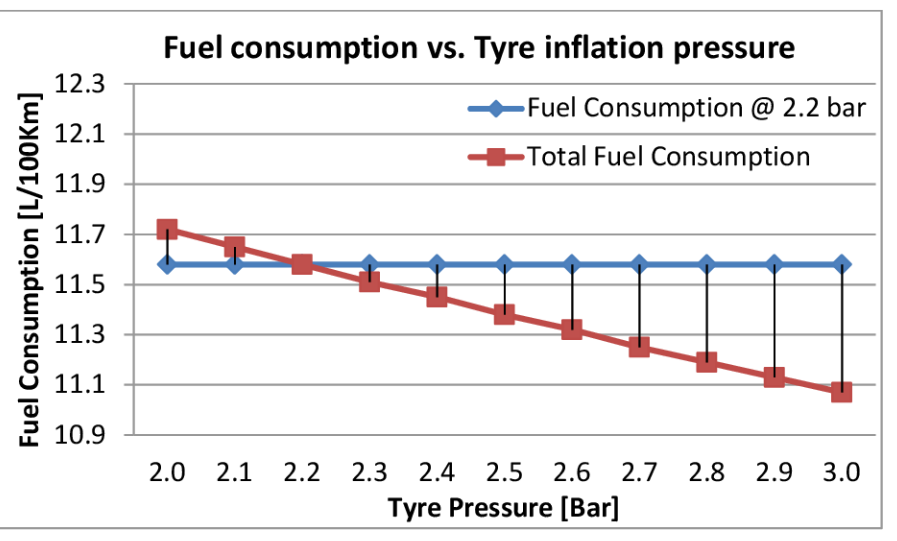
The U.S. Department of Energy says every 1 psi below the recommended tire pressure can cut fuel economy by about 0.2%. Fine, that sounds tiny. But real life is not one tire being one pound low. Real life is all four tires being several pounds low because the weather changed, or because nobody checked them since the last oil change. Suddenly that “tiny” number starts looking like actual money.
And the fix is almost stupidly simple. Air.
That is it. Not a bottle of fuel-system magic from the parts store. Not some weird driving hack. Just getting the tires back to the pressure the car actually wants.
The part people mess up is where they get that number. A lot of drivers look at the tire sidewall and think, there it is. Nope. That is the maximum pressure the tire can handle, not the pressure your car is asking for. The real number is usually on the sticker inside the driver’s door jamb. That is the one to use.
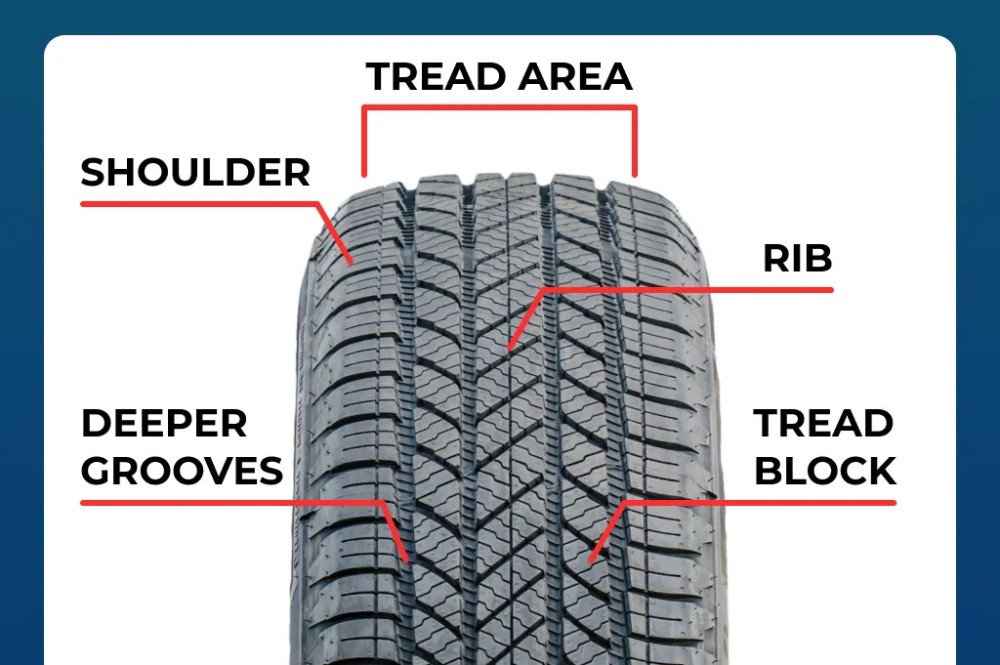
Tread plays into this too. Most people think worn tires are only a rain problem, and yes, they absolutely are. But tires also affect how hard the car has to work to keep rolling. More rolling resistance means more fuel burned. So if you are already shopping for new tires, low rolling resistance models are worth asking about. They are not exciting. Nobody is bragging about them at dinner. But they can pay you back slowly, tank by tank.
Cold weather makes the whole thing worse. Tires lose pressure as temperatures drop, which is why a car that was fine in September can be underinflated by January. Nothing mysterious happened. Physics just quietly made your mileage worse.
So the whole “maintenance routine” is embarrassingly small. Check the pressure once a month, ideally before the car has been driven much. Rotate the tires every few thousand miles. Watch for weird wear. That is basically it.
It is not glamorous. It is not a car-guy flex. But it saves fuel, saves tires, and makes the car safer.
For five minutes of effort, that is a pretty good deal.