The Reason Your Next Car Might Cost More Has Nothing to Do With Cars
by AutoExpert | 28 April, 2026
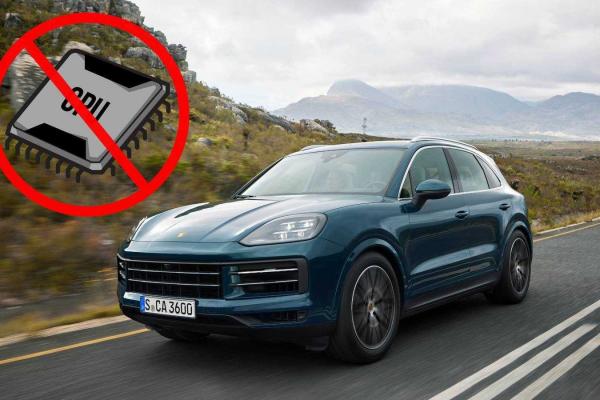
The DRAM chip shortage is hitting cars in 2026 in a way most buyers never saw coming. You have probably heard about AI changing everything. What you probably have not heard is that it is quietly making your next car more expensive. And the connection between the two is stranger than you would think.
The memory chips that go into modern vehicles, called DRAM, are the same type of chips that power the massive data centers running AI systems like ChatGPT, Google Gemini, and every other artificial intelligence tool blowing up right now. And the companies building those AI systems are buying chips at a pace nobody predicted. They are locking in multiyear contracts, paying premium prices, and basically vacuuming up supply before anyone else can get to it.
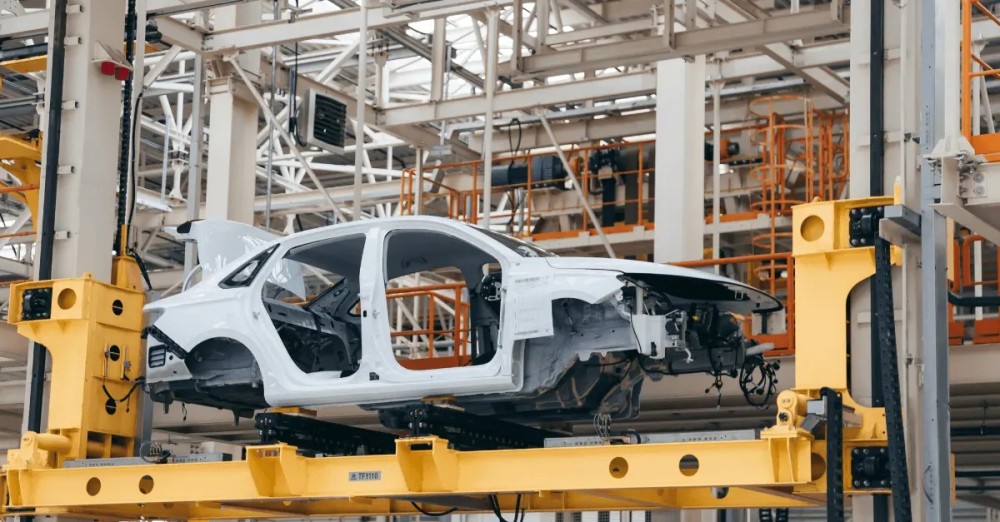
That leaves automakers scrambling.
The Billion-Dollar Cost to Automakers
GM has come out and said the DRAM situation, combined with tariffs and rising material costs, will add somewhere between $1 billion and $1.5 billion to their expenses this year. Ford's CFO put their number at roughly $1 billion in additional costs. Those are not small adjustments. And when automakers absorb costs like that, those costs eventually find their way to the sticker price on the lot.
How bad could it get? Analysts at S&P Global and UBS are projecting that automotive DRAM prices could spike 70 to 100 percent year over year in 2026. That is not a typo. The price of these specific chips could double in a single year.
Why Your Car Needs So Many Memory Chips
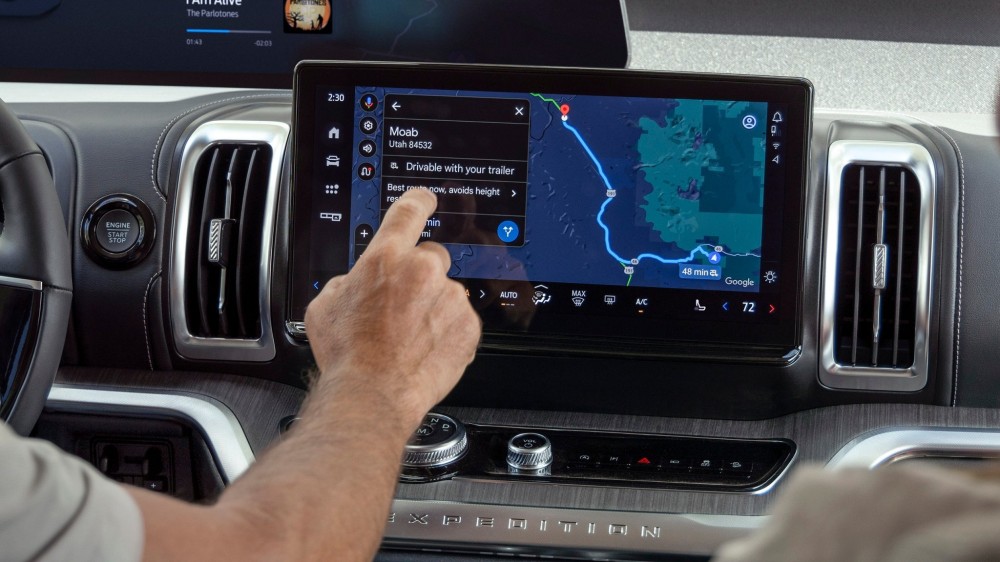
Your car probably uses more DRAM than you realize. Modern vehicles are rolling computers. The infotainment system, the driver assistance features, the digital instrument cluster, the navigation, the parking cameras, the over-the-air update systems. All of it runs on memory chips. A high-end car today might use several gigabytes of DRAM across dozens of different modules. That is not a trivial amount of silicon.
How the Chip Shortage Affects Car Buyers
The good news, if you can call it that, is that S&P Global does not expect the shortage to actually shut down assembly lines the way the broader chip crisis did back in 2021 and 2022. This is a different kind of problem. Instead of cars not getting built at all, what is more likely to happen is that automakers will prioritize their most profitable vehicles. Translation: the trucks and luxury models that generate the fattest margins will get the chips first. The more affordable, entry-level models might see production cuts or longer wait times.
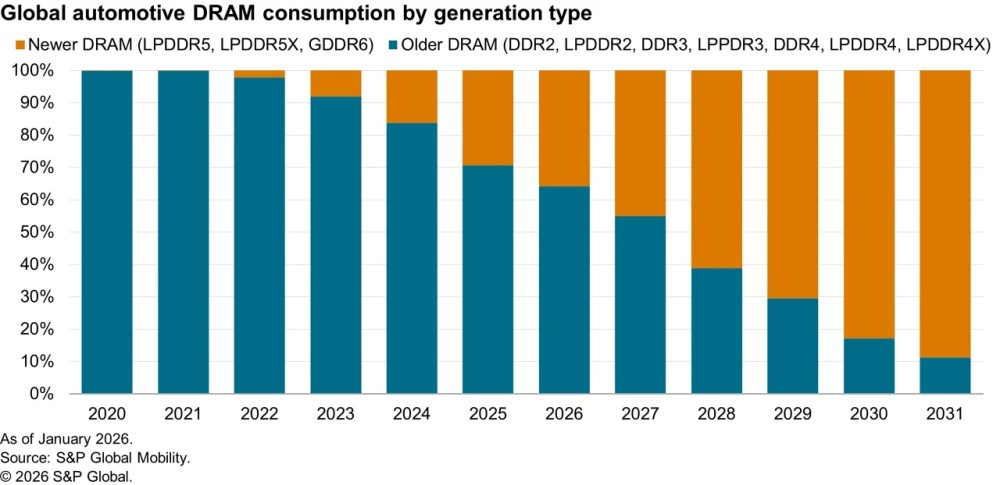
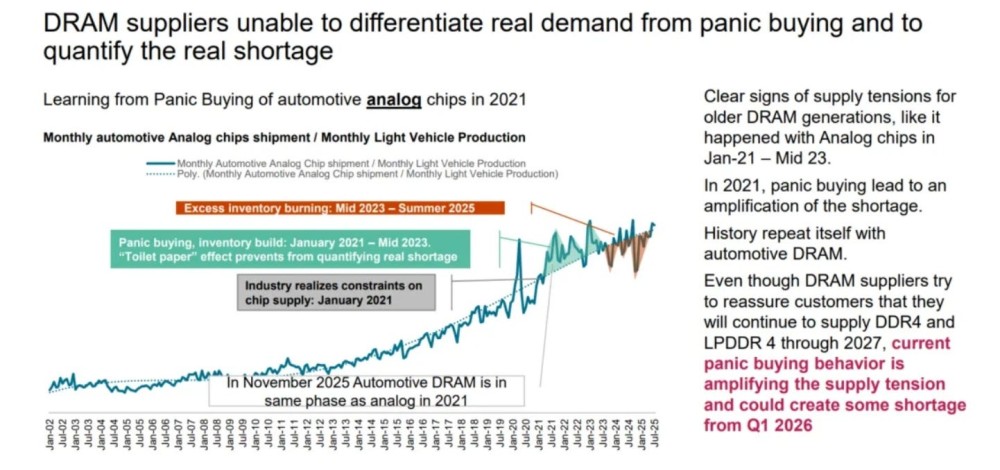
There is also the panic buying factor. When word spreads that a component is getting scarce, purchasing departments start hoarding. That creates an artificial shortage on top of the real one, and prices spike even further. It happened with toilet paper in 2020 and semiconductor wafers in 2021. There is no reason to think DRAM will be any different.
So what does this mean for you as a buyer? If you have been thinking about a new car, especially something in the budget-friendly or mid-range space, keep an eye on pricing over the next six months. And if you see a deal you like on the lot today, it might be worth moving on it before the chip math trickles further into MSRPs. The AI boom is not slowing down, and neither is its appetite for the same chips your car needs.