
We Counted Cars on the Highway. Sedans Are Basically Gone.
by AutoExpert | 27 April, 2026
We drove from Austin to Dallas a few weeks ago, and somewhere around Waco I started paying attention to what was around us on I-35.
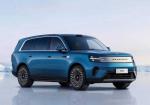
Trucks. SUVs. Crossovers. More trucks.
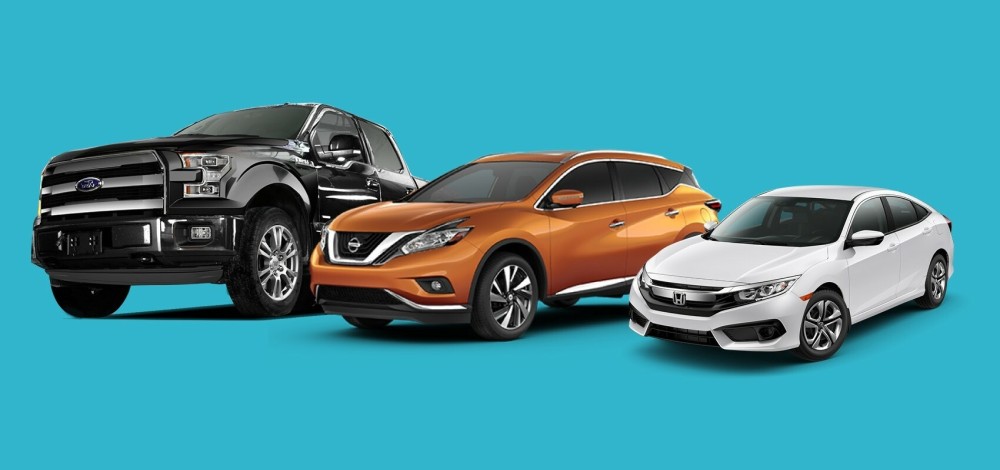
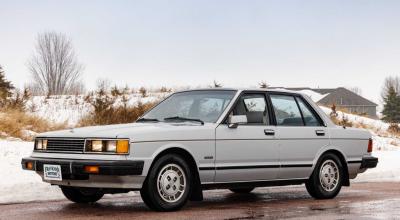
We kept counting for a bit, just out of curiosity, and we’re not exaggerating when saying it took almost five minutes before we spotted a regular sedan. It felt weirdly out of place, like being the only person at a party not wearing a costume.
Turns out that feeling is backed by actual numbers. There are about 177 million trucks, SUVs, and crossovers registered in the U.S. right now. Passenger cars? Around 97 million. That’s nearly two to one, and it’s the widest gap we’ve ever seen.
So how did the whole country just… flip like that?
Go back to the early 2000s and sedans still ran the show. Camrys, Accords, everywhere. Trucks were for people who needed them, contractors, towing, weekend projects. Then a few things hit at once and the balance tipped.
Gas got cheaper. And when gas is cheap, the main argument against driving something big kind of disappears. At the same time, automakers got really good at making trucks and SUVs less thirsty. A modern pickup with a turbo four-cylinder pushing close to 30 mpg on the highway would’ve sounded ridiculous twenty years ago. That used to be sedan territory.
Then crossovers showed up and quietly took over. The Toyota RAV4, Honda CR-V, the Ford Escape. Higher seating position, more space, easier visibility, but still easy to drive and park. They felt practical without feeling excessive.
And yeah, they were basically raised hatchbacks with better marketing. But it worked. Once you get used to sitting higher and having that extra space, going back to a sedan can feel like you’re dropping into a hole.
Then money finished the job.
Automakers make a lot more on trucks and SUVs. Not a little more, a lot more. A loaded pickup can hit $70,000 or $80,000, and the margins on those trims are huge. So companies leaned in. Ford Motor Company didn’t slowly phase cars out, it basically cut them off. Fusion, Taurus, Fiesta, Focus, gone. Kept the Mustang and moved on. Others followed the same path, just a bit more quietly.
COVID pushed everything even further. People wanted space. Space for gear, road trips, dogs, bikes, whatever new hobby they picked up. Trucks and SUVs fit that moment perfectly.
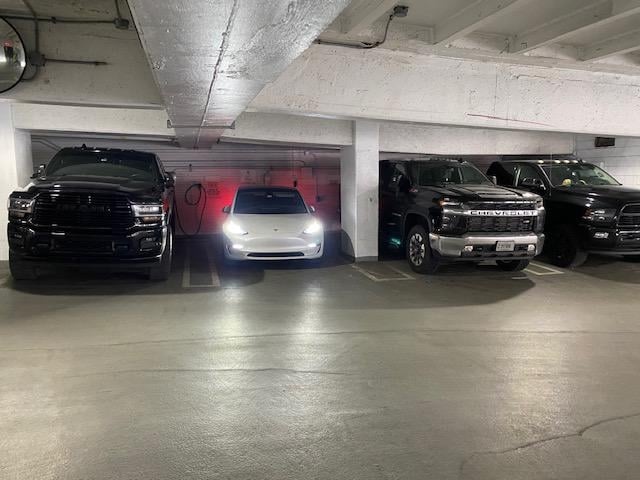
But there’s a side of this people don’t love talking about. Bigger vehicles still use more fuel overall, even if they’re more efficient than before. They’re also harder on pedestrians in crashes, mostly because of their height and weight. And you feel it in everyday life too. Parking garages feel tighter. Older streets feel smaller. Try squeezing a full-size pickup into a downtown space and you’ll understand immediately.
And none of this is slowing down. The electric shift isn’t bringing back small cars. It’s bringing electric trucks and SUVs from Rivian, Ford Motor Company, General Motors, and Tesla. Different powertrain, same shape.
I’m not even judging it. I drive a truck too, so I’d be talking about myself.
But when you look at the numbers, 177 million to 97 million, it’s pretty clear what happened. America didn’t just start buying more trucks. It slowly rebuilt its entire car culture around them.
And at this point, there’s no easy way back.