
Beijing’s Auto Show Made One Thing Clear: Cars Are Turning Into Robots
by AutoExpert | 30 April, 2026
AI cars used to sound like movie nonsense. Then the 2026 Beijing Auto Show happened, and suddenly it did not feel so far away anymore.
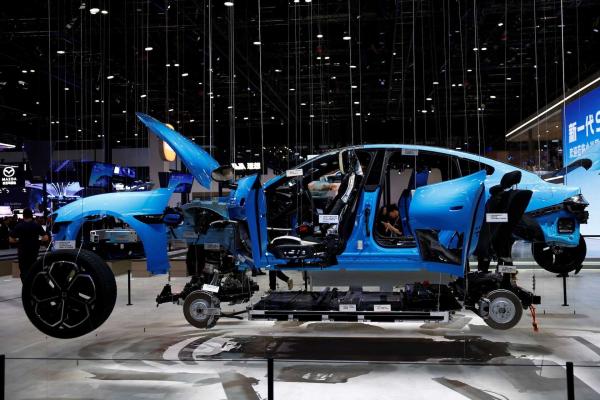
This year’s show was huge, with more than 1,400 vehicles spread across 380,000 square meters of floor space. But the size was not even the main story. The real story was how many automakers showed up with the same message: AI is not just another feature in the car. It is becoming the car.
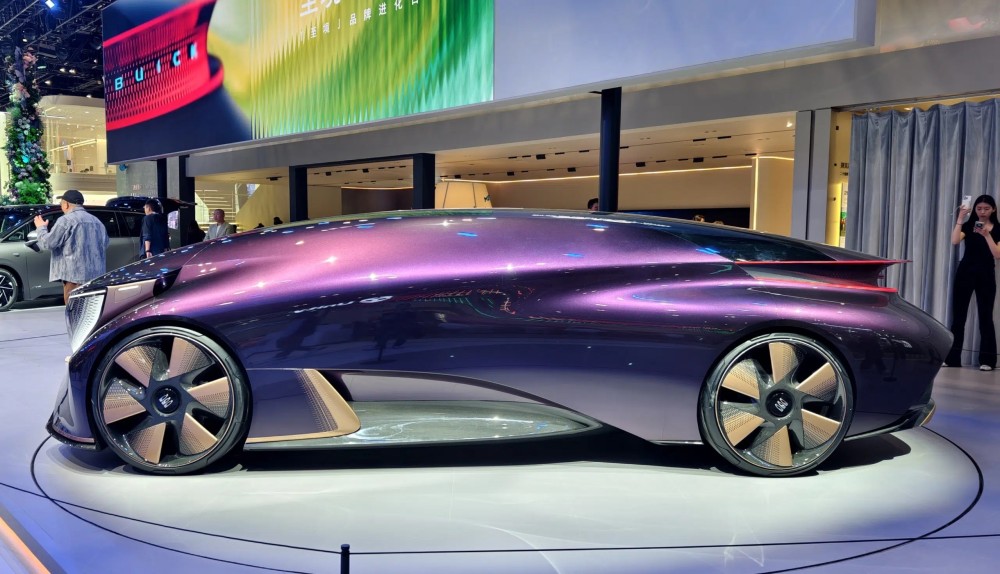
Geely, the Chinese automaker behind Volvo, brought out what it calls China’s first purpose-built robotaxi. Not a normal sedan with sensors stuck all over it. A vehicle designed from the beginning to drive without a human. No steering wheel, no pedals, just a passenger cabin. Depending on how much someone trusts software, that is either incredible or deeply unsettling.
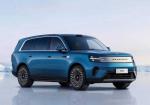
XPeng went even further, because apparently regular EVs are no longer enough. It showed flying car prototypes alongside its new six-seat GX SUV, plus a walking robot, because the line between automaker and tech company is getting blurrier by the minute.
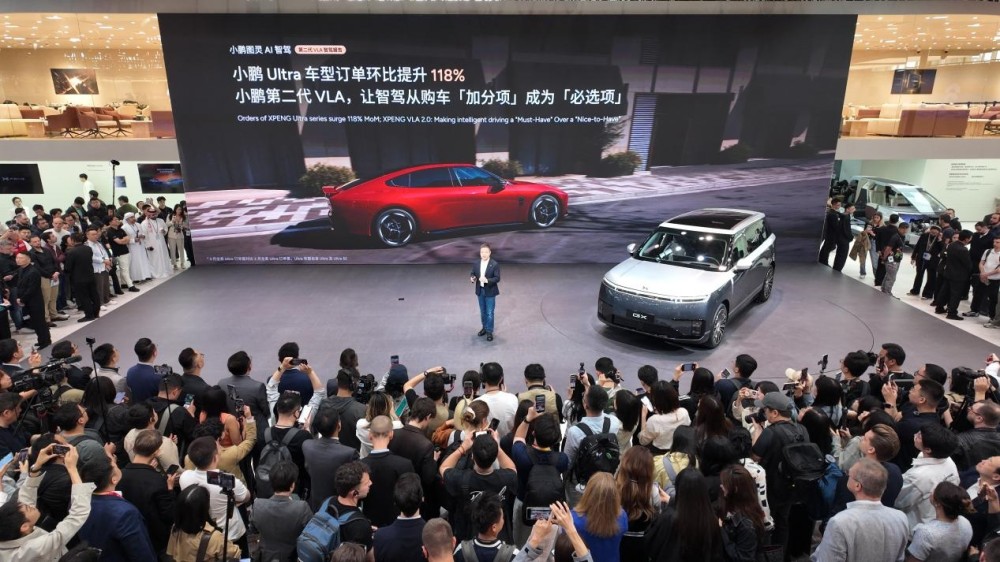
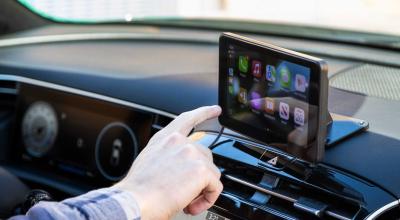
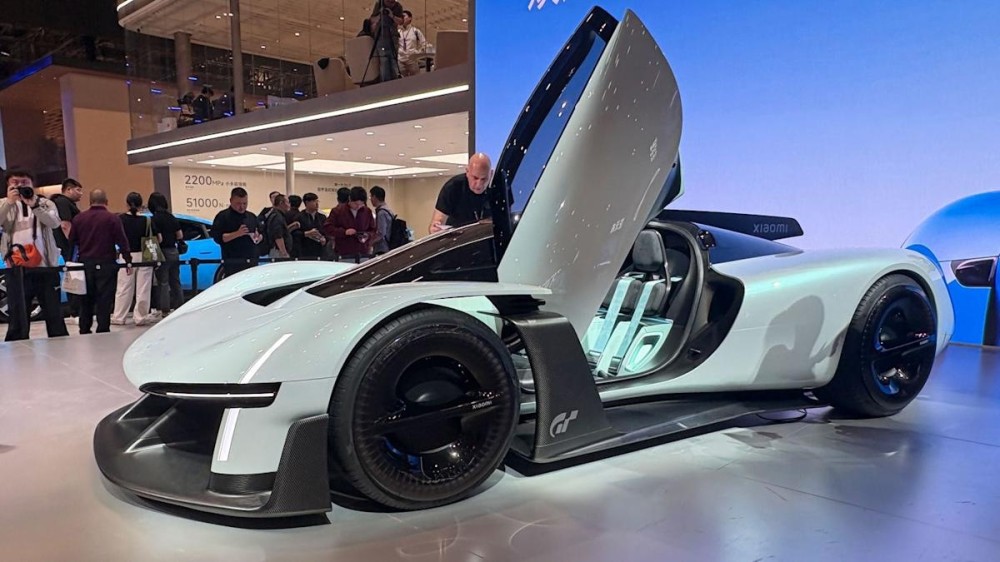
Xiaomi is leaning hard into the cabin itself. Its AI cockpit idea is basically a much smarter assistant built into the car. Not just “call Mom” or “turn up the heat.” More like learning preferences, managing apps, helping with reservations, and making the car feel less like a machine and more like a very expensive personal assistant on wheels.
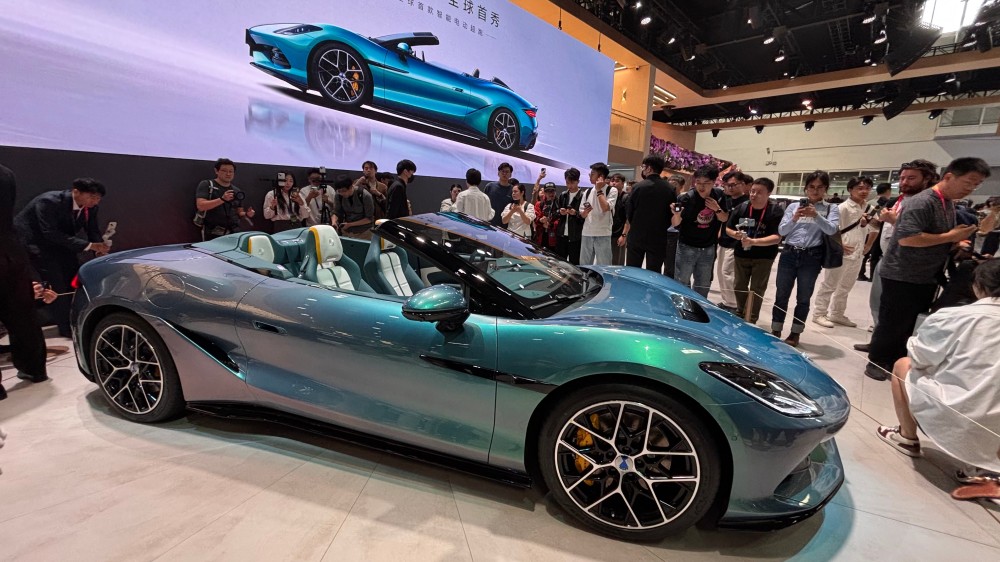
Li Auto took the hardware route with the L9, packing in four lidar sensors and dual AI chips. A few years ago, that kind of setup sounded like something reserved for prototypes and research fleets. Now it is showing up in a family SUV.
And that is probably the part that matters most. Even if someone has no plans to buy a Chinese EV, what shows up in Beijing rarely stays there forever. Car tech tends to move downmarket fast. Adaptive cruise control used to feel fancy. Now it is normal. Big screens used to be special. Now even economy cars have them.
AI is heading the same way. Hands-free highway driving is already available from major brands like GM, Ford, and BMW. The wilder stuff shown in Beijing may take a few years, but the direction is obvious: more sensors, more software, more decisions handled by the car before the driver even thinks about them.
So if a salesperson starts talking about AI cockpits, robotaxis, driver-assist chips, or cars that learn your habits, that is not just marketing noise anymore.
The future did not politely wait its turn. It showed up in Beijing, surrounded by lidar sensors, giant screens, and at least one flying car.