
Your Parked Car Is Aging Faster Than You Think
by AutoExpert | 24 April, 2026
Some cars barely leave the driveway anymore. One owner works from home. Another keeps a second car for weekends. Someone else leaves town for a few weeks and comes back expecting the car to start like nothing happened.
Sometimes it does. Sometimes it really does not.
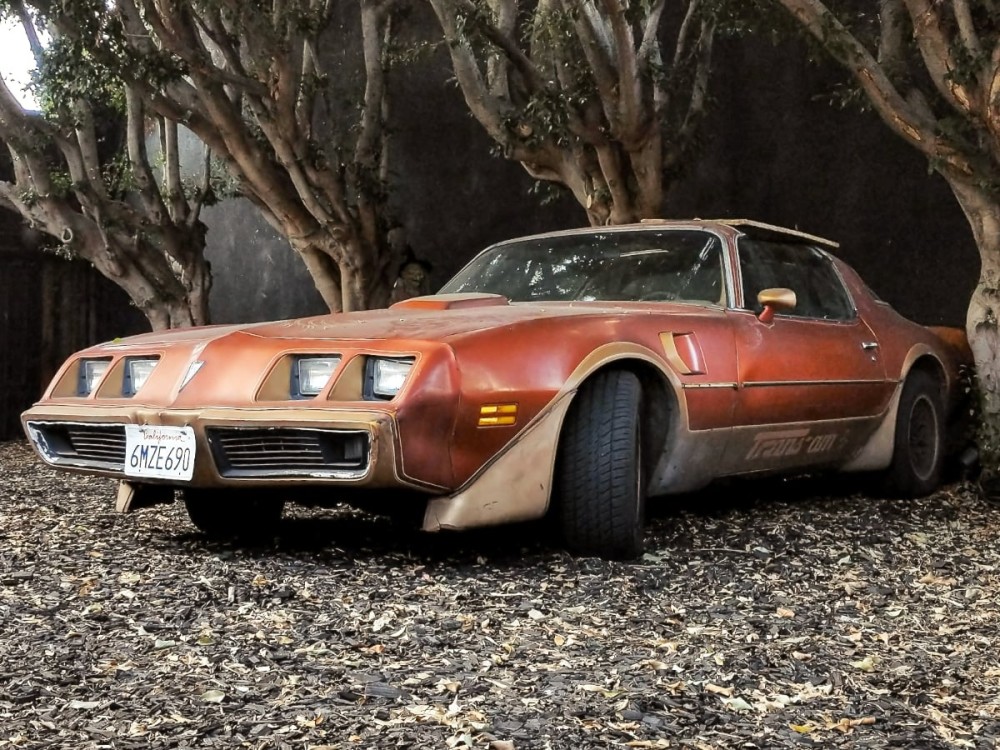
Cars are made to move. When they sit too long, small things start going wrong in the background.
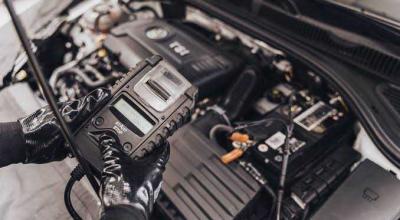
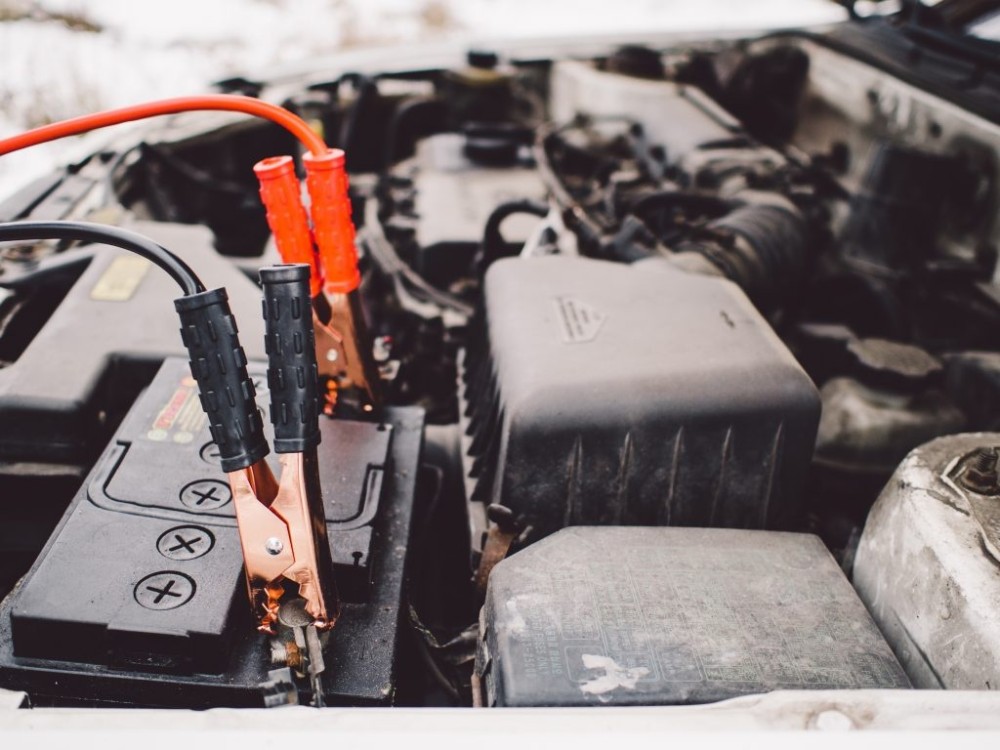
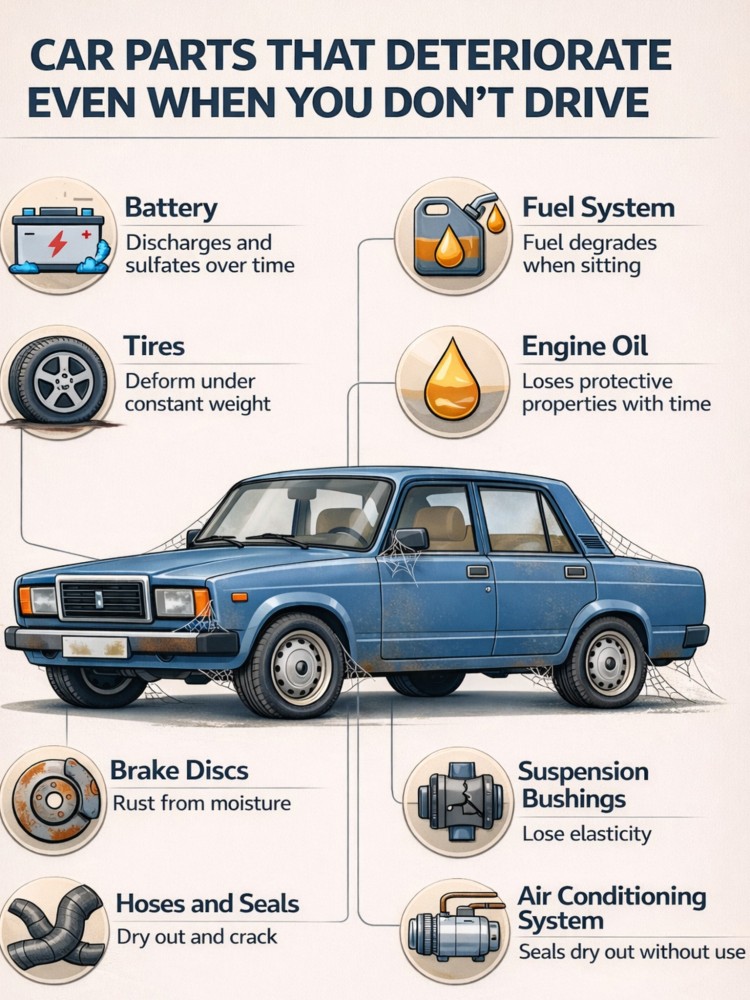
The battery is usually the first to complain. Even when the car is off, it is not completely asleep. The alarm, key fob receiver, clock, and onboard systems still sip power. Leave the car parked for a couple of weeks, and the battery may be weak. Leave it for a month, and an older battery may be done.
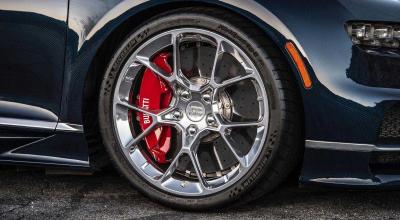
Tires do not love sitting either. The car’s weight presses on the same part of the tire day after day. That can leave flat spots. Sometimes the thumping disappears after a short drive. Sometimes it does not, and that means new tires.
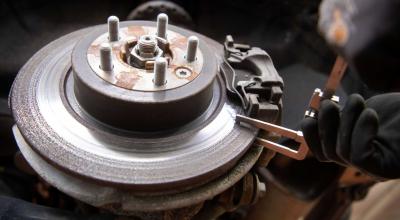
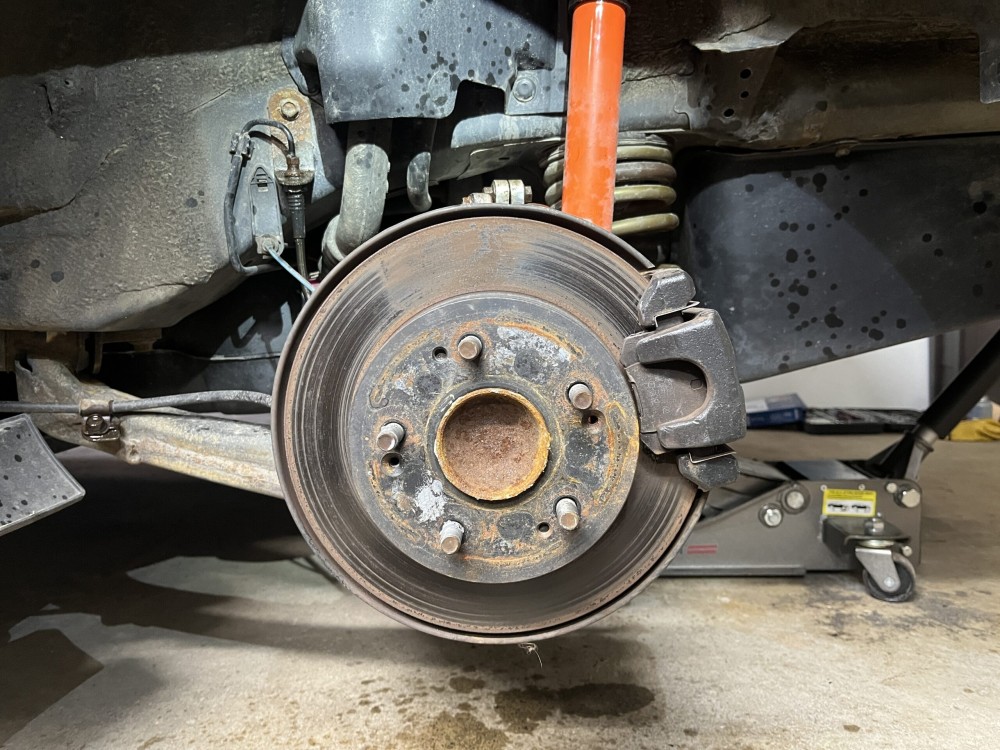
Then there are the brakes. After a rainy week, that scratchy grinding sound on the first few stops is usually surface rust on the rotors. A little is normal. A lot of sitting can let that rust dig in and leave the rotors rough.
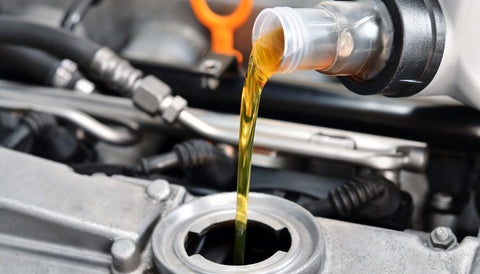
Fuel has its own clock. Gas can start going stale after about a month. After a few months, old fuel can make the engine run rough, clog filters, or dirty the injectors. If the car will sit for a while, fuel stabilizer is a cheap little safety net.
Rubber parts can also dry out when they are not used. Hoses, seals, gaskets, O-rings, and belts all do better when the engine heats up regularly. A parked car may look fine from the outside while those parts slowly lose flexibility.
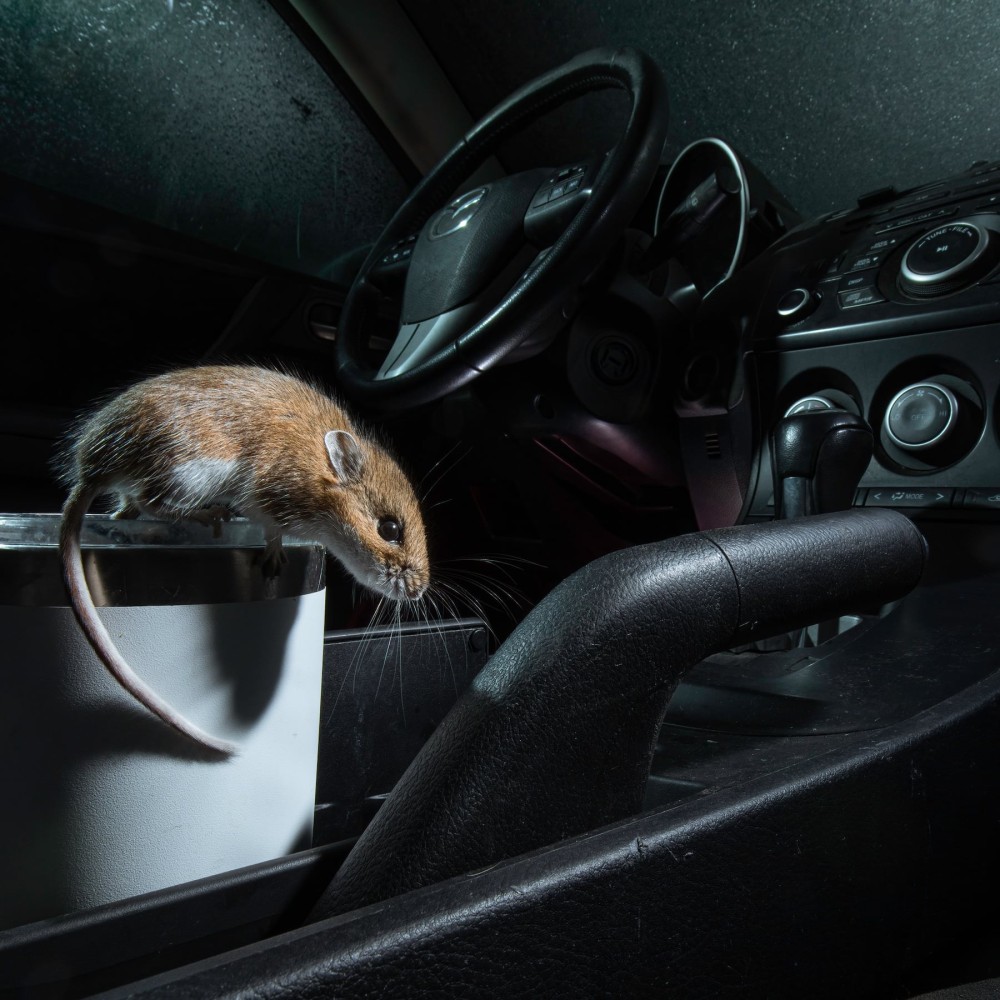
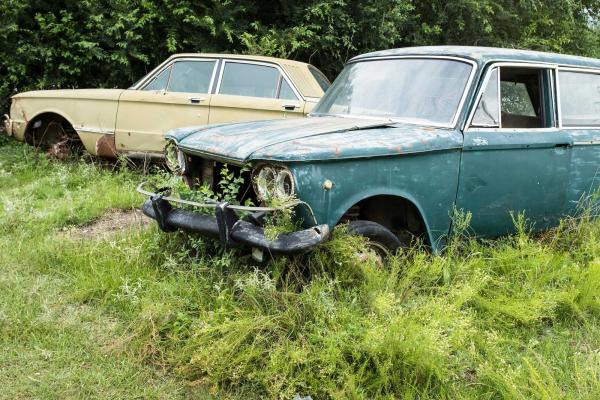
And yes, rodents are part of the problem too. A quiet car is basically free real estate for mice, rats, and squirrels. The engine bay is sheltered, warm, and full of wiring they can chew through. That repair bill can get ugly fast.
The fix is not complicated. Take the car out once a week for a real 15 to 20 minute drive, not just a quick start in the driveway. Let it warm up. Let the battery charge. Let the tires roll. Let the brakes clean themselves.
If regular driving is not possible, use a battery tender. For longer storage, add fuel stabilizer, put a little extra air in the tires, and use rodent deterrents around the cabin and engine bay.
A parked car may look like it is resting. In reality, it is still aging.