That Weird Car Noise Is Not Something You Should “Check Later”
by AutoExpert | 29 April, 2026
There is a very specific kind of panic that happens when your car makes a noise you have never heard before.
You turn the radio down. You lean forward like that helps. You ask the car, out loud, “what was that?” Then you do the worst possible thing, which is convince yourself it probably went away.
It usually did not.
The good news is that a weird noise does not always mean the car is about to bankrupt you. A lot of the time, it is actually giving you a warning while the fix is still pretty normal.
A squeal when you start the car or step on the gas is often the serpentine belt. Annoying sound, yes, but not automatically a disaster. That belt runs important stuff like the alternator, AC, and power steering, so you do not want to ignore it for weeks. But if you catch it early, it is usually not the kind of repair that ruins your month.
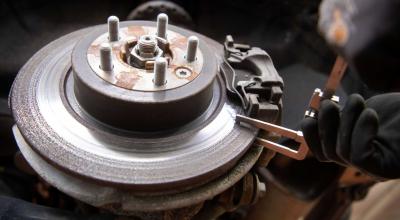
A squeal when you brake is more direct. That is usually the brake pads doing exactly what they were designed to do: making noise before they are completely gone. It is the car’s polite version of “please deal with this now.” If you wait until it turns into grinding, congratulations, you probably made the bill worse.
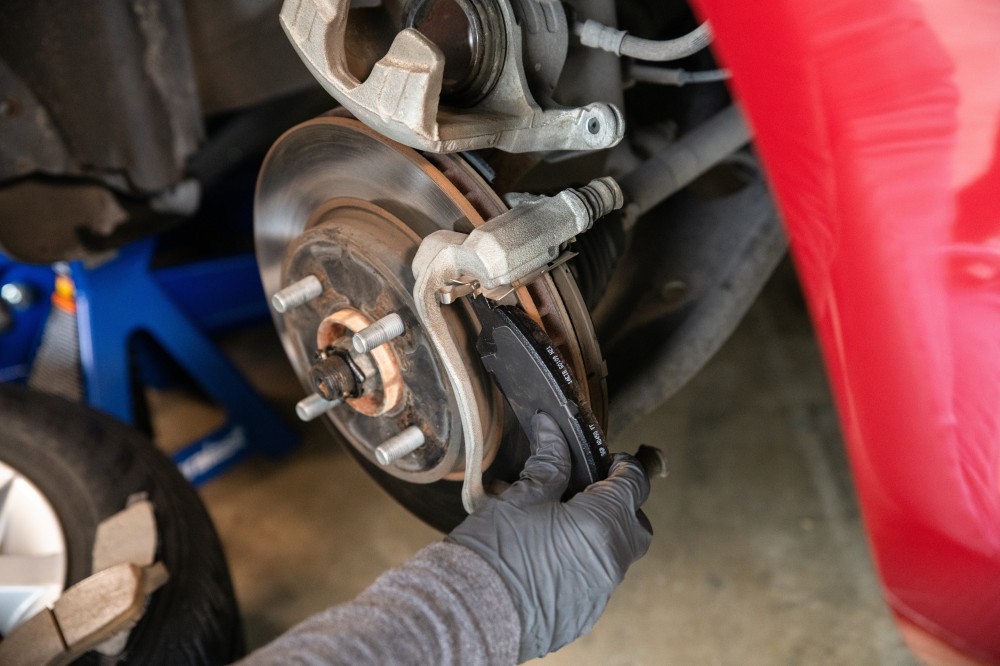
Grinding is the sound I would not play games with. If it happens when you brake, the pads may already be cooked and the rotors are getting chewed up. If it happens while driving, especially if it gets louder with speed, it could be a wheel bearing. Either way, grinding is not background music. Get it checked.
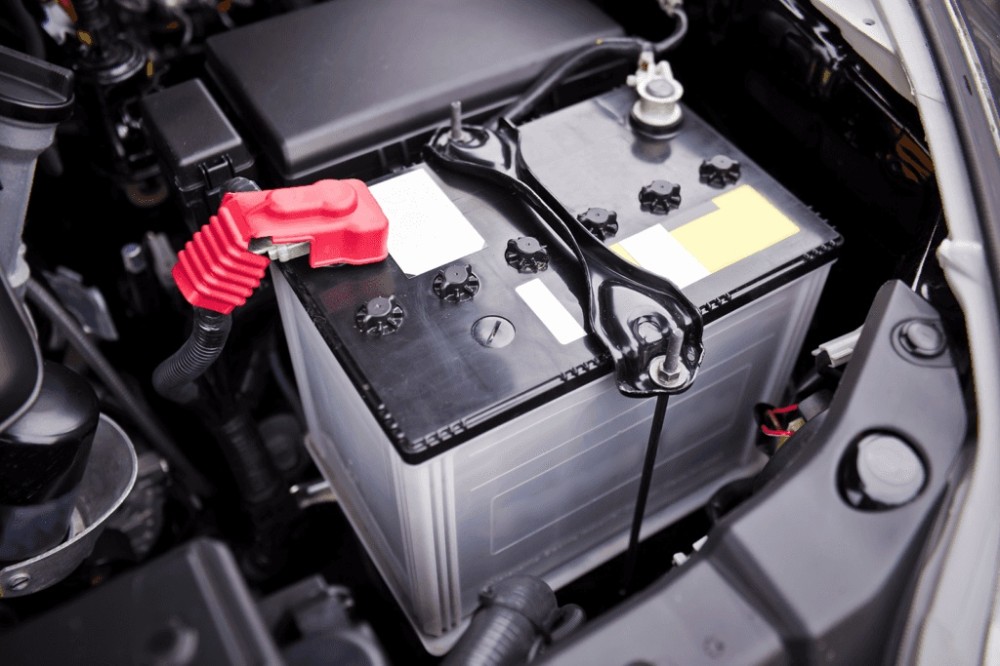
Clicking depends on when it happens. Fast clicking when you turn the key and the car will not start? That is usually battery drama. Clicking or popping when you turn sharply? More likely a CV joint. A little engine tick at idle? Check the oil first before assuming the engine is dying, because sometimes the answer really is that simple.
Rattles are where things get annoying, because a rattle can be almost anything. Loose heat shield. Exhaust piece. Catalytic converter. Something in the glove box. A water bottle under the seat that has been terrorizing you for three days. Start with the dumb stuff, because cars love making you feel stupid.
The point is not to become paranoid and diagnose every sound like a crime scene. Just pay attention when something changes. Notice when it happens. Braking? Turning? Accelerating? Only when cold? Only at highway speed?
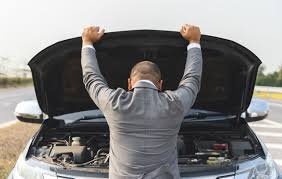
That little detail can save your mechanic time, and it can save you money.
Cars usually do not go from perfectly fine to completely broken without saying something first. The trick is not pretending you did not hear it.