Your Dad’s Car Advice Might Be Costing You Money
by AutoExpert | 27 April, 2026
A lot of bad car advice survives because somebody said it with confidence.
Maybe it was a dad, an uncle, a neighbor, or the guy at the quick-lube place who slapped a sticker on the windshield and told everyone to come back in 3,000 miles. After a while, it stops sounding like advice and starts sounding like law.

The problem is, plenty of those “rules” are outdated, and some are just expensive nonsense.
Take the 3,000-mile oil change. That made sense decades ago, when engines were different and oil was not nearly as good as it is now. But most modern cars running synthetic oil can go much longer, often 7,500 to 10,000 miles, sometimes more. The real answer is not on a shop sticker. It is in the owner’s manual. That is the number that matters.

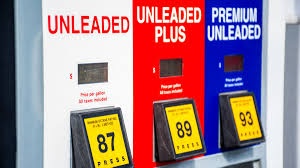
Premium gas is another money trap. People buy it because it sounds better, like the car is getting the nice version of fuel. But unless the engine actually requires high-octane gas, premium does not magically add power, improve mileage, or make the engine happier. If the fuel cap or manual says regular is fine, regular is fine.
Then there is the winter warm-up ritual. Letting the car idle for ten minutes feels responsible, especially on a freezing morning. But modern fuel-injected engines do not need that. A short idle, then gentle driving, warms the car faster and wastes less fuel. The long driveway warm-up mostly just burns gas and annoys anyone within earshot.

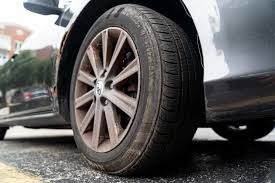
Tires are another place where the old advice gets risky. The legal tread limit is not the same thing as the smart replacement point. By the time tires are down near the minimum, wet-road grip can already be seriously worse. Waiting until they are technically legal but practically useless in rain is not saving money. It is gambling with traction.
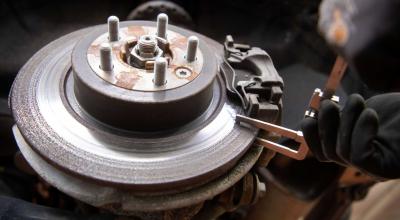
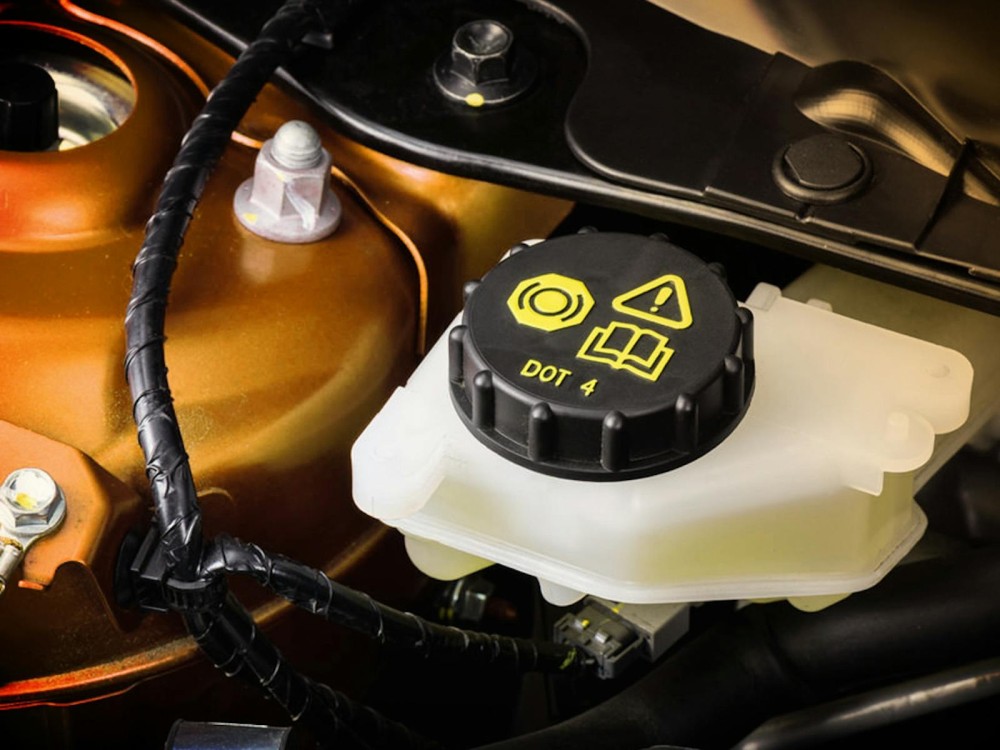
Brake fluid gets ignored because nobody talks about it. But it matters. Over time, it absorbs moisture, and that can corrode brake components from the inside. Most drivers never think about changing it until the brake system needs an expensive repair. That is a bad deal, especially when the fluid service itself is usually not that expensive.
And no, using an independent shop does not automatically void the warranty. Dealerships may love that myth, but routine maintenance can be done by a qualified shop as long as the work is documented. Keep receipts. Follow the required schedule. That is what matters.
Most car myths have one thing in common: they are either old, convenient for someone selling something, or both. The owner’s manual is not exciting reading, but it is still the best source for what a specific car actually needs.
Boring? Yes.
Cheaper than blindly following old garage wisdom? Absolutely.