The Car Color That Makes You the Most Money Later Is Probably Not the One You’d Pick

by AutoExpert | 23 April, 2026
Most people treat car color like a pure taste decision. Black if they want it sleek. White if they want it safe. Gray if they have given up emotionally.
Fair enough. But color is not just about what looks good in the driveway. It can affect what the car is worth later too.
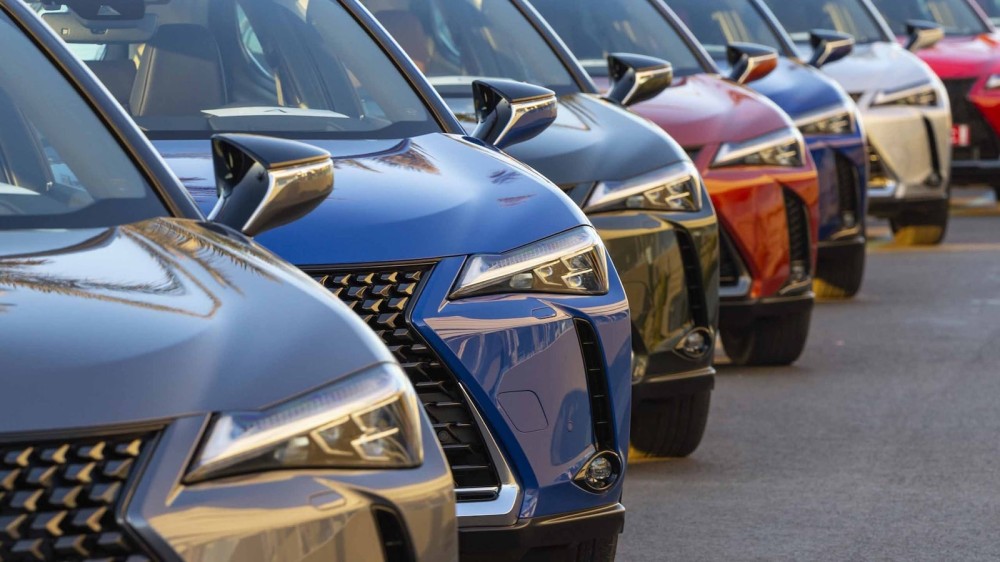
And the funny part is that the “smart” color is usually not the boring one.
According to iSeeCars, yellow has the strongest three-year value retention of any mainstream color, with average depreciation at 24.0%, compared with 31.0% for the market overall. Orange comes next at 24.4%, and green follows at 26.3%.
That does not mean a yellow car automatically puts an extra $3,000 or $4,000 in someone’s pocket on a typical $45,000 car. Using the iSeeCars percentages, the gap between average depreciation and yellow would be about 7 percentage points, which works out to roughly $3,150 on a $45,000 vehicle. The exact dollar impact depends on the car’s starting price and how its segment behaves on the used market.
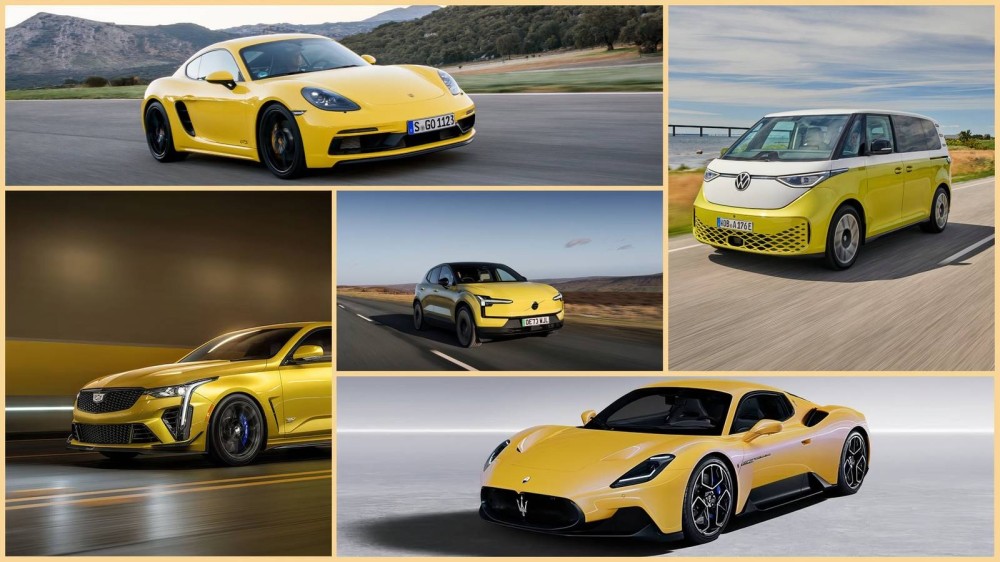
The reason the brighter colors do better is actually pretty simple. White, black, gray, and silver dominate new-car sales, so the used market is full of them. When buyers have endless versions of the same safe color to choose from, that makes those cars less distinctive. Yellow, orange, and some greens are rarer, so when somebody specifically wants one, there is less supply sitting around to compete with it. iSeeCars has explained that dynamic directly as a demand-versus-supply issue.
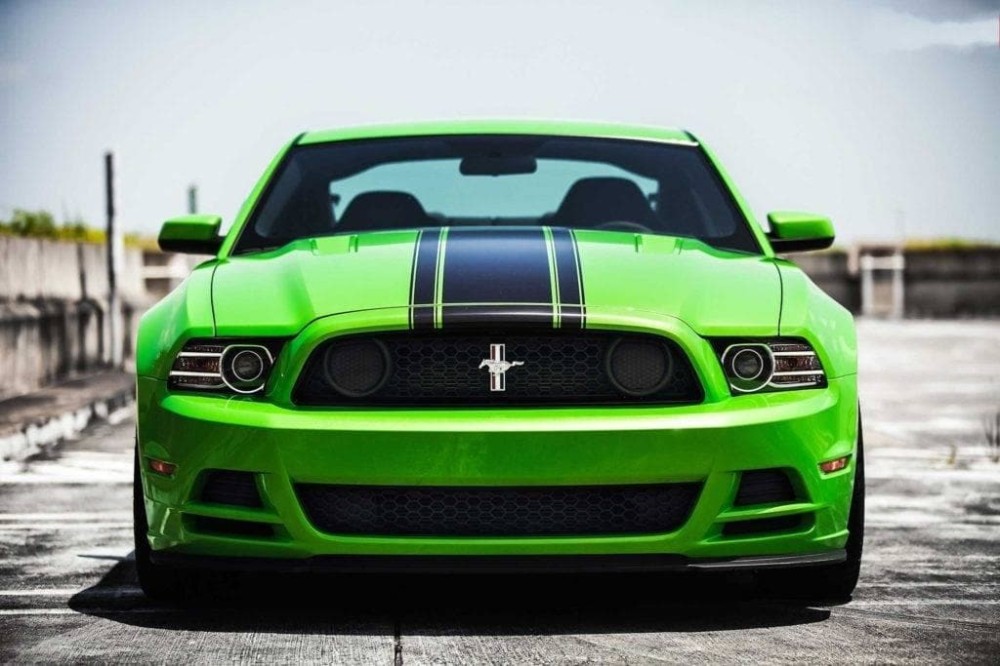
That does not mean everyone should go buy a bright yellow SUV against their will. Driving a color you hate for years just to win a little at resale would be a pretty miserable strategy.
But if somebody is already torn between the safe option and the more interesting one, it is worth knowing the “fun” choice may actually be the better financial move.
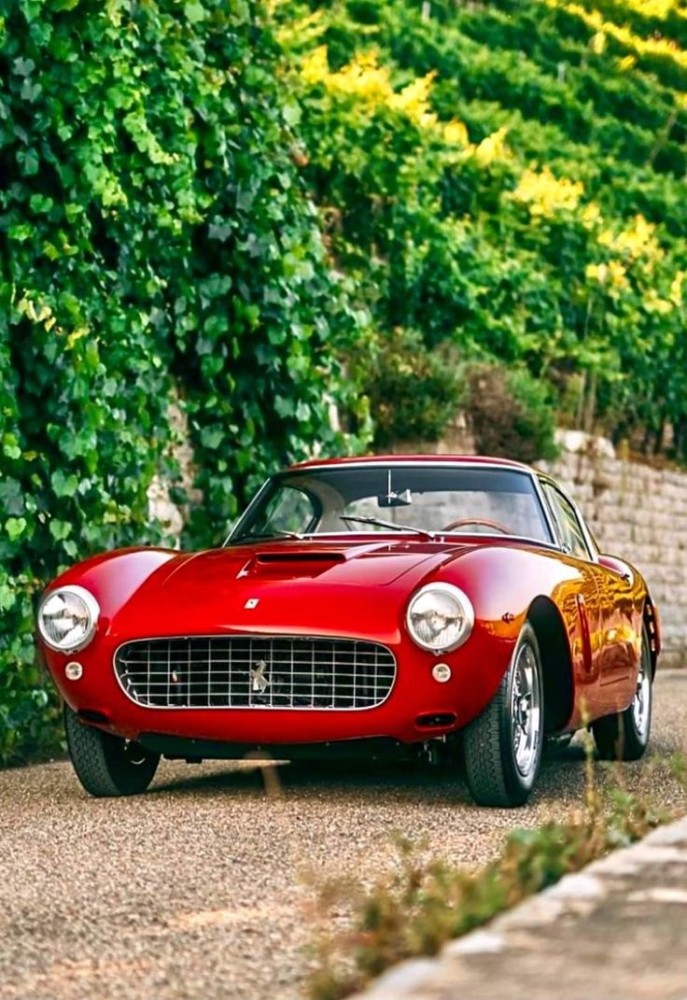
There is also a more practical angle. Color preferences are not identical everywhere. Lighter colors often stay more popular in hotter places because they reflect heat better, while darker colors can be easier to live with in cooler climates. That kind of regional preference can affect how quickly a car sells, even if the national numbers still favor the more unusual shades. This is more of a market tendency than a hard rule.
And then there is the enthusiast side of it. Certain manufacturer-exclusive or heritage colors can become part of a car’s whole identity. That is especially true on niche models where buyers care a lot about spec. But that is a different game from ordinary resale, and it does not automatically apply to everyday cars.
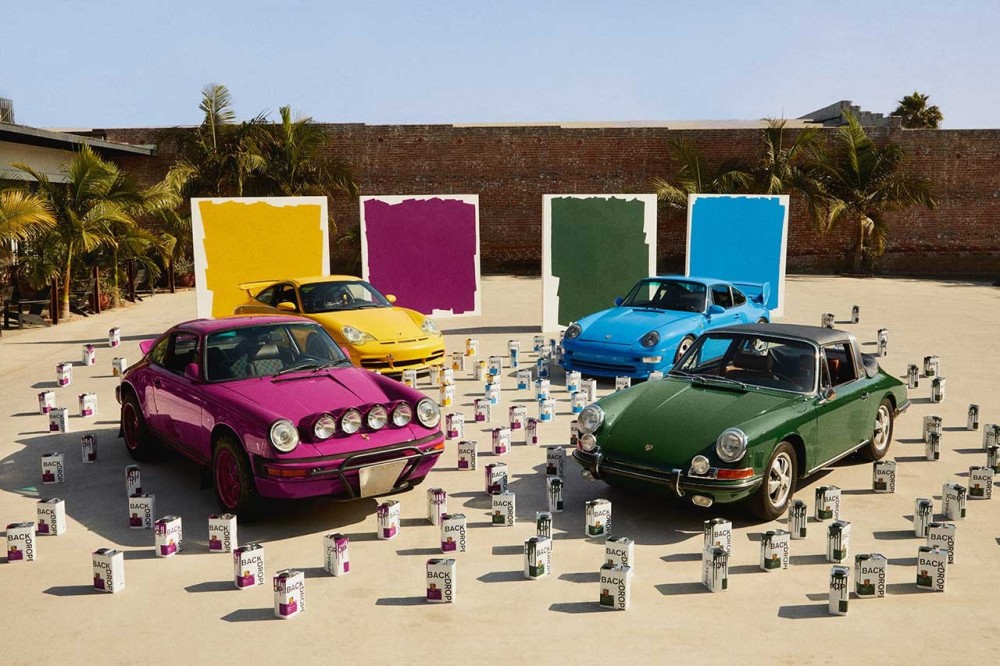
So the real takeaway is pretty simple. Color is not just cosmetic. It can affect resale. And the safest-looking choice on the configurator is not always the smartest one later.
Sometimes the smarter color is the one with a little more personality.