The New Audi Q7 Can Warn Cyclists, Project Signals, and Park Itself
by AutoExpert | 9 June, 2026
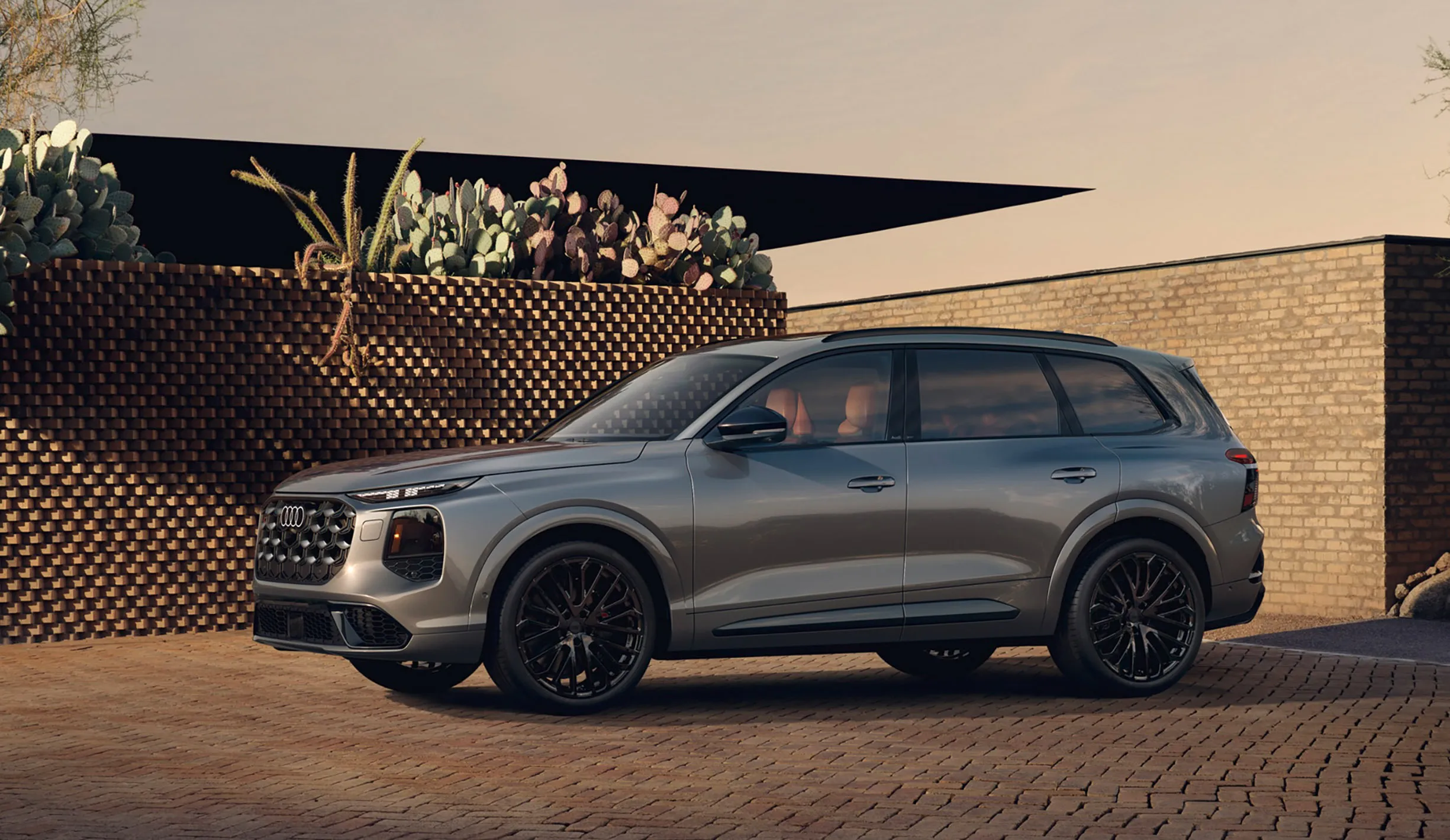
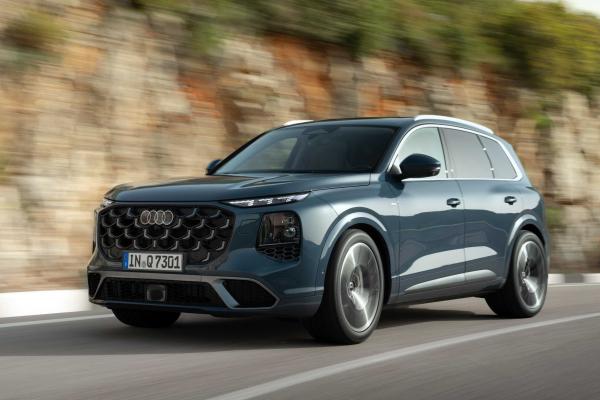
The Audi Q7 has always been the brand’s answer for buyers who want luxury, space, and long-distance comfort without stepping into full-size SUV territory. Now, the third-generation model feels far more confident than the SUV it replaces. The old Q7 stayed on sale for almost 10 years, but this new one arrives with a much tougher design, despite keeping the same 118-inch wheelbase.
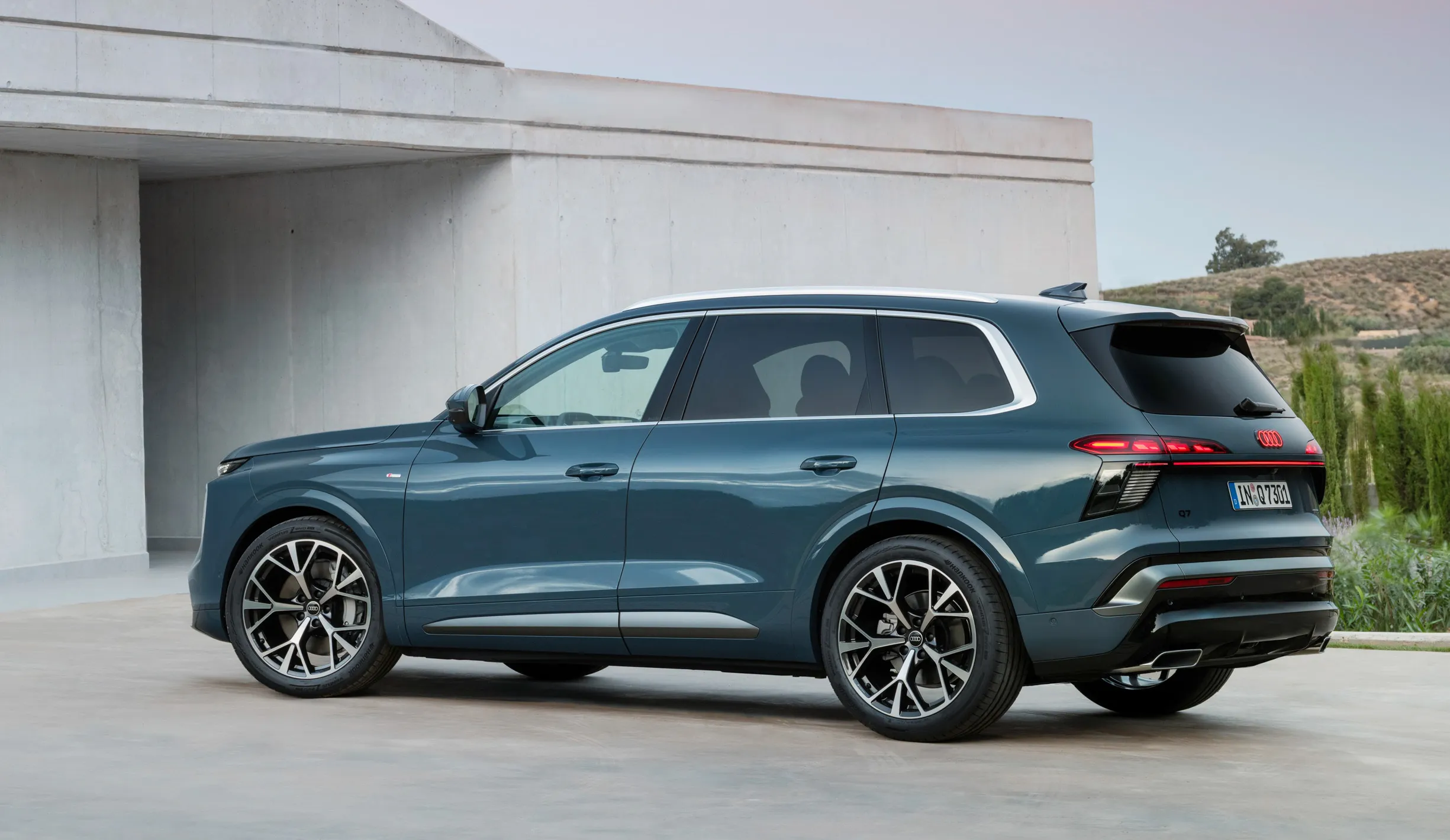
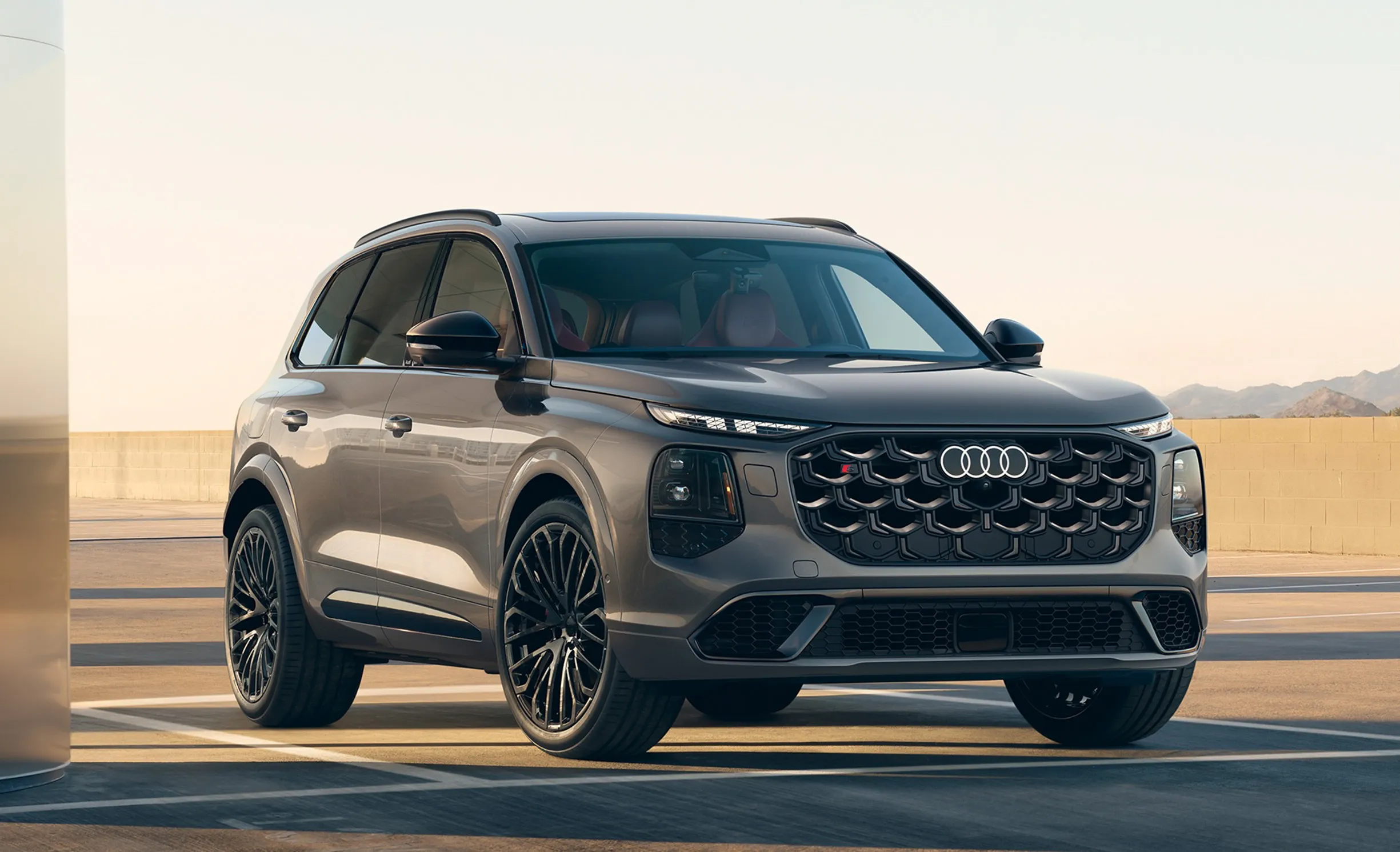
The front end sits taller, the fenders are more pronounced, and the rear shoulders look dramatically wider, giving the SUV much more presence on the road.
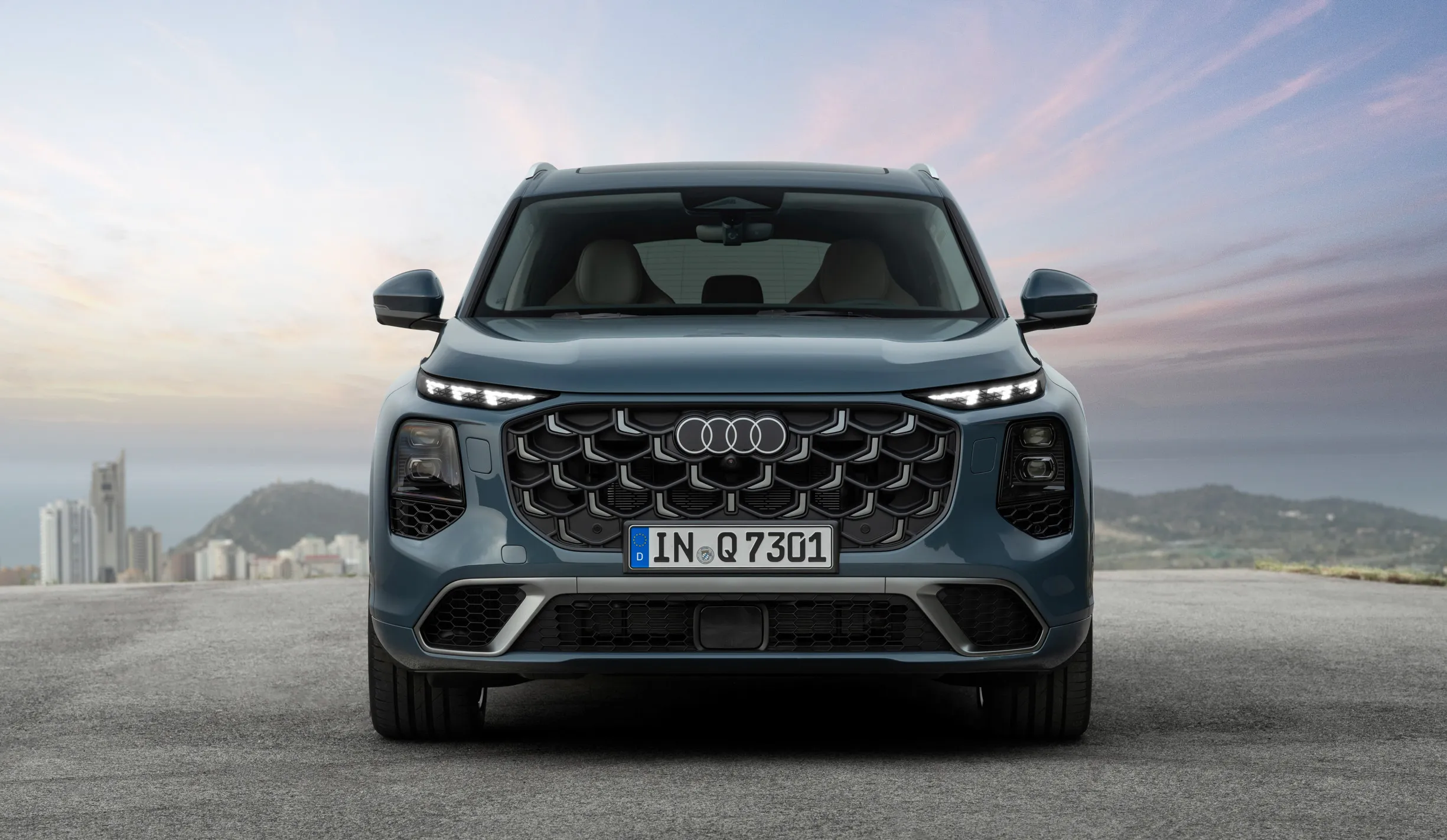
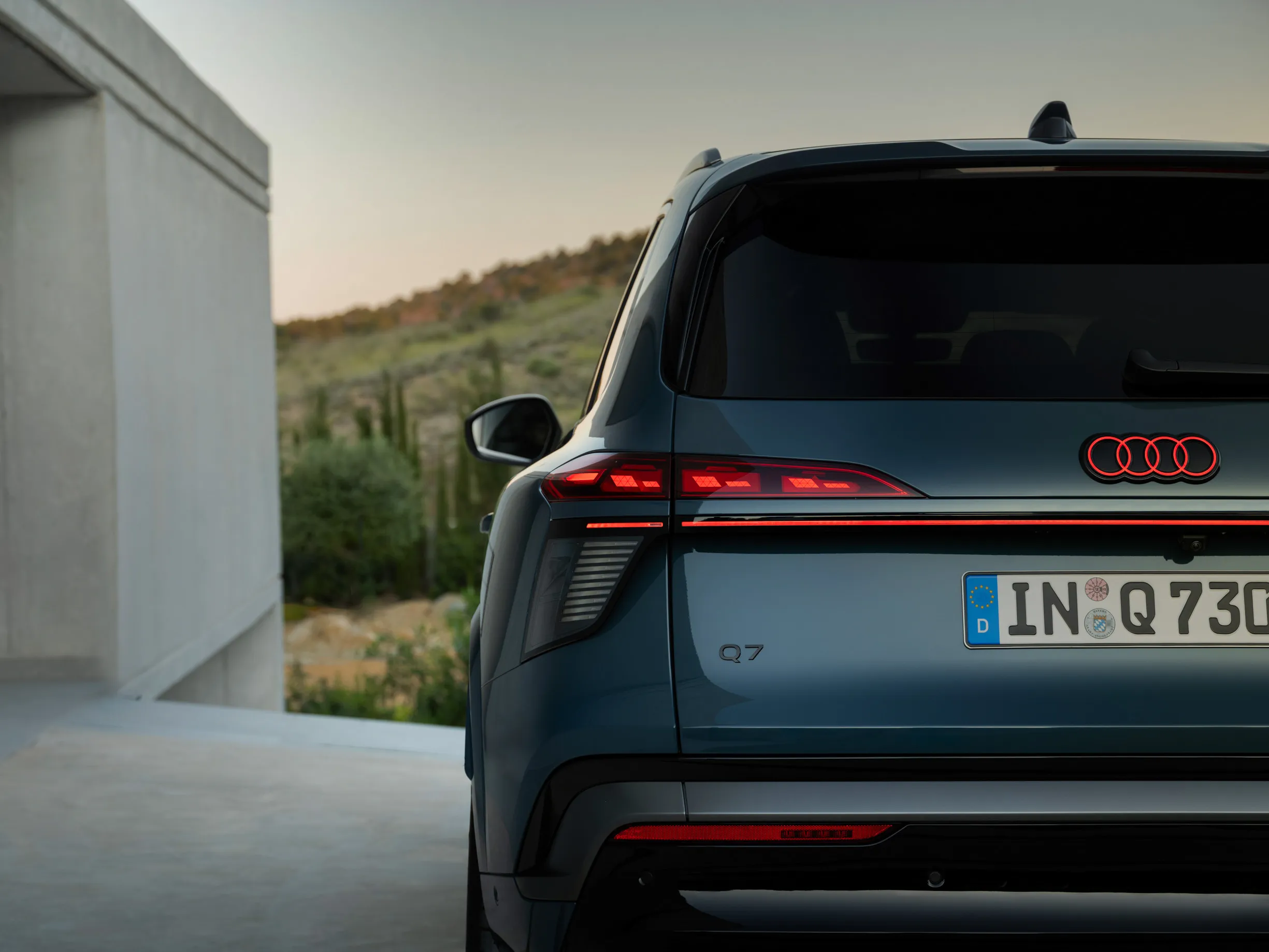
The lighting technology is probably the wildest part of the redesign. The Q7 adopts Audi’s split-headlight layout already seen on models like the Q6 e-tron, but pushes things further with advanced Matrix LED systems.
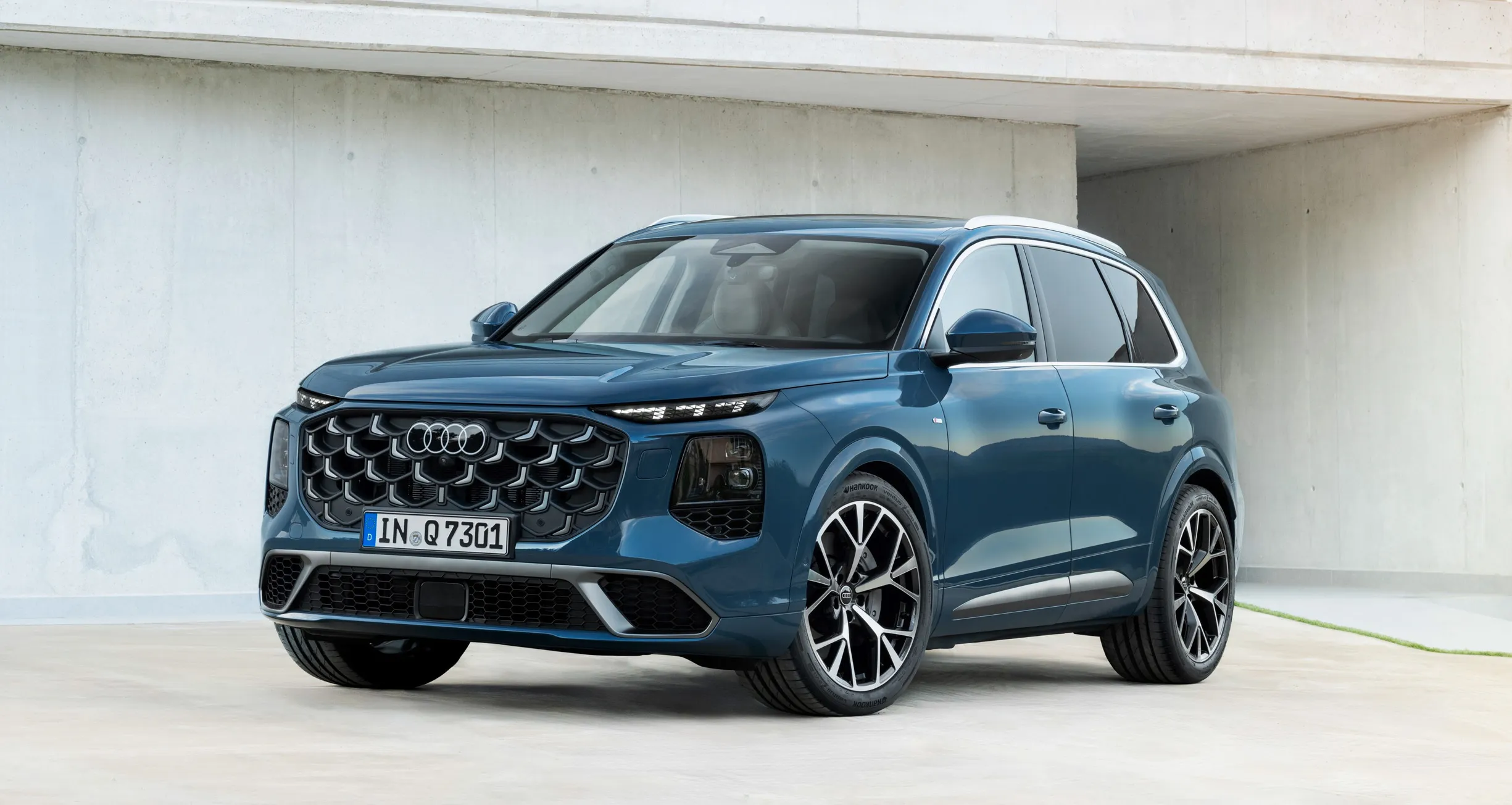
The headlights can project warnings for icy roads directly onto the pavement, display turn signals on the ground, and even warn nearby cyclists or drivers when a door is about to open. Around back, the taillights can flash warnings about accidents ahead or tell drivers behind to back off if they’re following too closely. U.S. buyers finally get full Matrix adaptive headlights, too, something Europe has had for years.
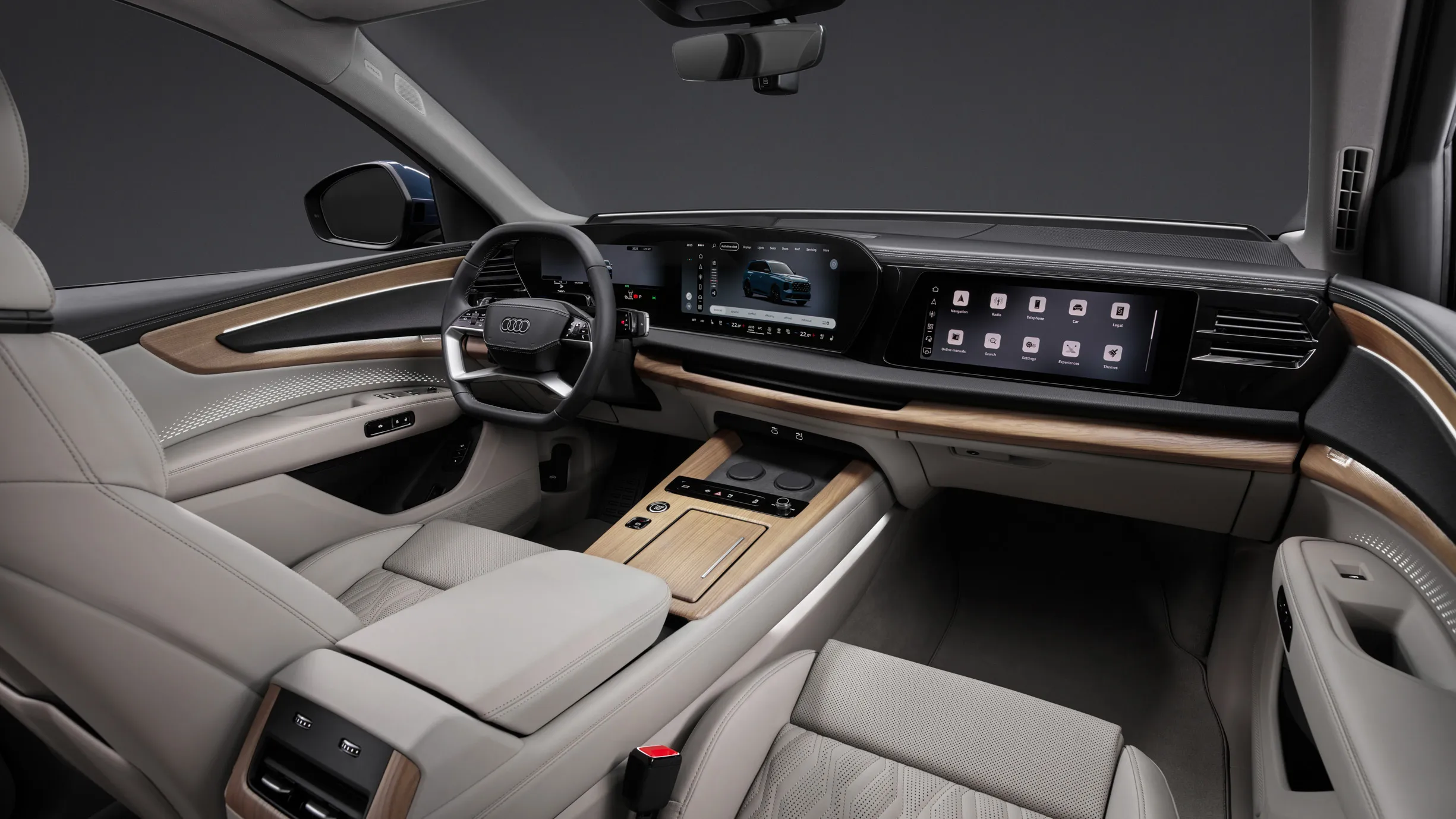
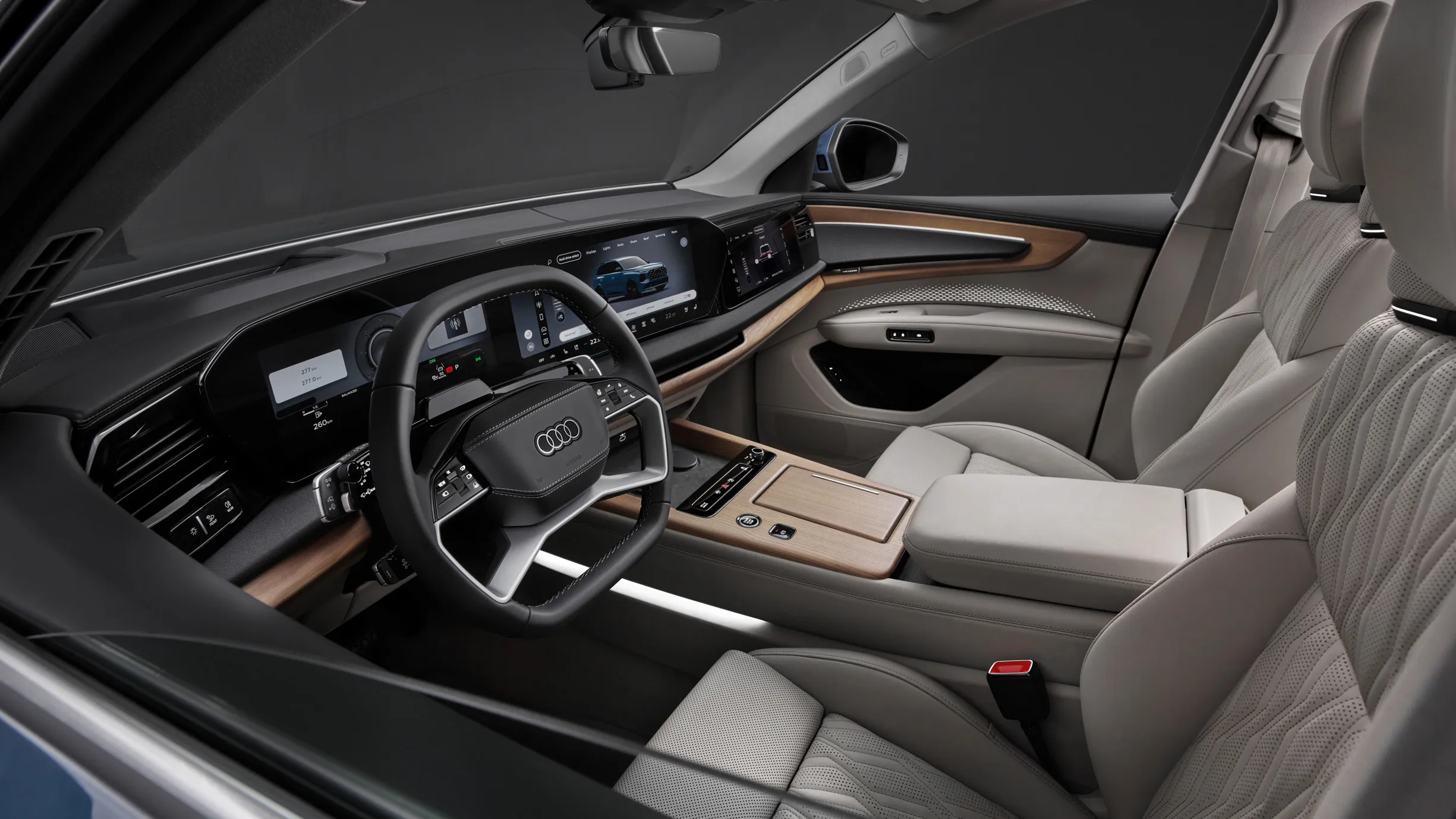
Inside, Audi gives the 2027 Q7 a large curved OLED display setup handling both instrumentation and infotainment, plus a separate passenger screen. There’s also a panoramic glass roof that can switch between transparent and opaque sections individually, then remember the last setting when the SUV restarts. U.S. and U.K. versions come standard with three rows, while some other markets start with two rows instead.
Buyers can also choose individual captain’s chairs in the second row for the first time. Cargo capacity ranges from 722 liters (25.5 cu-ft) with the rear seats folded to almost 2,000 liters (70.6 cu-ft) depending on configuration.
Engine choices depend heavily on the market. Europe launches with a mild-hybrid 3.0-liter diesel V6 producing 295 hp and 465 lb-ft of torque, with the hybrid system adding another 24 hp during certain situations. In the U.S., Audi drops the old entry-level four-cylinder entirely and replaces it with a 429-hp 2.9-liter gasoline V6 capable of hitting 60 mph in 4.8 seconds.
Then there’s the SQ7. Its twin-turbocharged 4.0-liter V8 now produces 591 hp instead of the previous 500 hp, cutting the 0-60 mph sprint to just 3.7 seconds. That’s sports car territory for a large three-row SUV. Audi also packed the chassis with technology. Adaptive air suspension, rear-wheel steering, electronically controlled damping, and permanent quattro all-wheel drive are standard on higher trims.
The suspension can even use navigation data to prepare for bumps or railway crossings ahead. The Q7 can memorize up to five parking maneuvers up to 200 meters (656 feet) long, reverse itself for 50 meters (164 feet), and automatically pull over and contact emergency services if the driver becomes unresponsive. Pricing will be announced closer to launch, while sales are scheduled to begin this July.