Why the Mercedes S-Class Didn’t Invent Self-Parking and the Prius Did
by AutoExpert | 18 February, 2026
Parking hasn't really changed in over a century. The goal is still the same: don't hit anything. Self-parking technology promised to fix that by taking human error out of the equation. And if any car was going to introduce it first, everyone figured it'd be the Mercedes S-Class.
For decades, the S-Class has been the car that debuts tech before anyone else. Anti-lock brakes, brake assist, electronic stability control, turbocharged diesel engines, adaptive cruise control, even night vision. The S-Class was always first. Self-parking seemed like exactly the kind of flashy feature Mercedes would roll out to wow everyone.
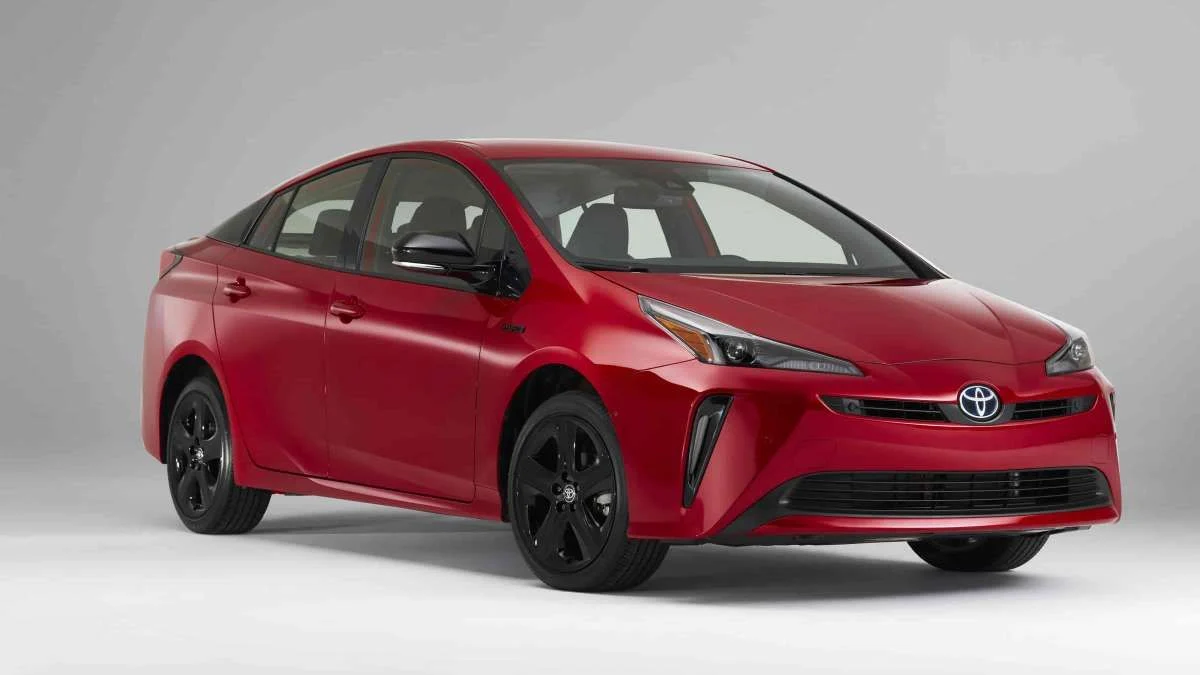
Except they didn't. Toyota did. With the Prius.
Early Attempts at Self-Parking
People have been trying to automate parking for a long time. Back in the 1930s, someone came up with a "fifth wheel" system that literally used an extra wheel mounted in the trunk. It would drop down, lift the rear wheels off the ground, and swing the car into a parallel spot like a pendulum. Creative, sure. Practical? Not so much. It took up space, cost money, and never caught on.
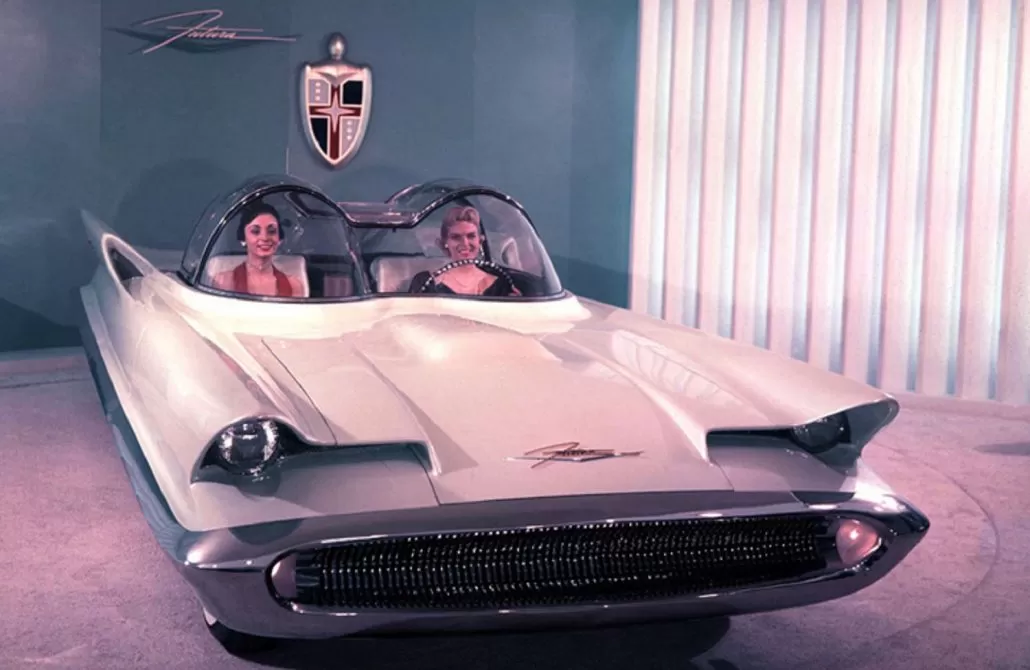
Fast forward to 1989 and Volkswagen showed off the Futura concept car with automated parking that actually used computers. It had four-wheel steering to make things easier. Looked way more futuristic than a dangling fifth wheel. But it never made it to production. Just a concept to show what was possible.
Why Everyone Expected Mercedes
The S-Class earned its reputation. Over multiple generations it introduced tech that eventually became standard everywhere. First car with anti-lock brakes. First with brake assist. First with adaptive cruise control. The list goes on.
Twenty years ago, self-parking felt like the ultimate luxury feature. No more stress trying to squeeze into tight parallel spots or navigate cramped parking garages. The S-Class seemed like the obvious place for it to debut.
Early S-Class models in the '90s even had retractable poles at the back that would pop up when reversing to help drivers judge distance to a wall. Later that got replaced with backup sensors that beep faster the closer you get to something. Standard stuff now, but it was cutting edge back then.
Toyota Beat Them to It
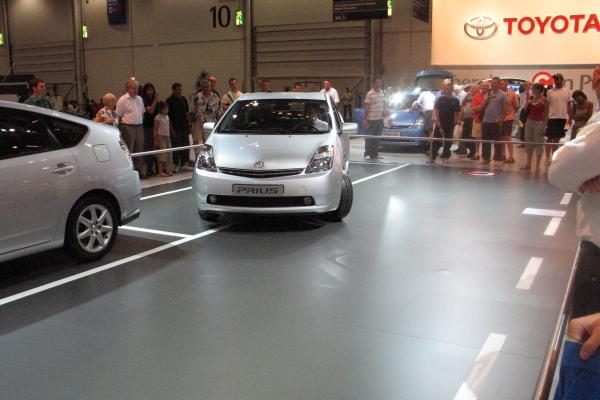
The second-generation Toyota Prius introduced Toyota's Intelligent Parking Assist System in 2003 for the Japanese market. Find a spot, select it, and the car uses cameras and sensors to figure out if it fits. If everything checks out, the car parks itself. Slowly, but it works.
In the early 2000s this was genuinely wild. The Prius made sense as the debut vehicle since it was already a huge innovator, being one of the first mass-market hybrids. The system cost about 230,000 yen back then, roughly $1,500. Pricey for an affordable car like the Prius.
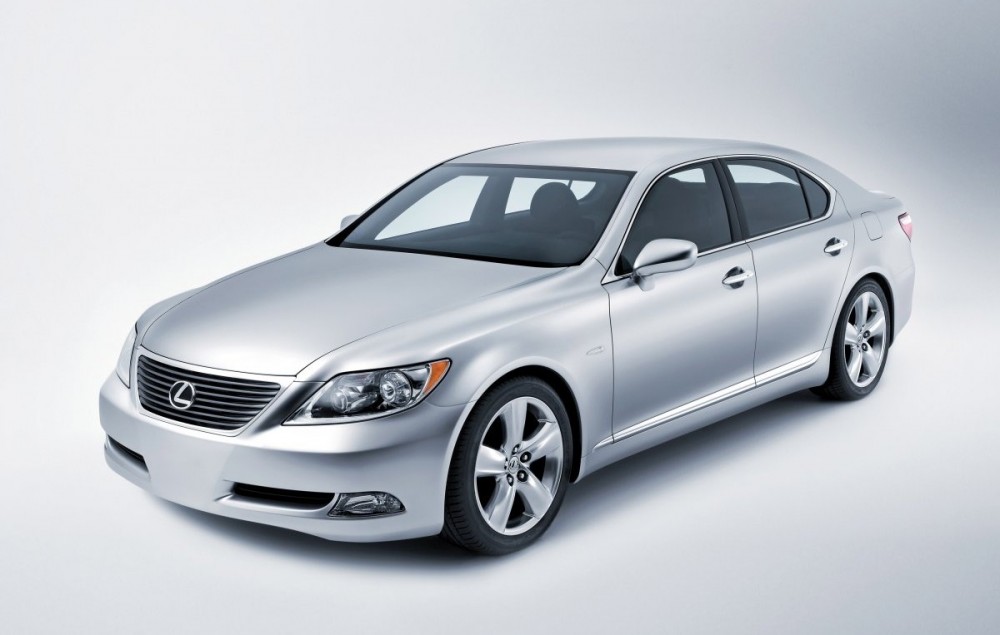
In North America, the feature showed up on the Lexus LS460 in 2006 as an option. That made more sense over here since the LS was Lexus' flagship, designed to compete directly with the S-Class. Bragging rights matter in the luxury sedan world, even if it's just for a party trick.
Did It Actually Work?
Early versions of the tech were pretty rough. MotorTrend tested it in 2006 and said it worked under ideal conditions but refused to park in a lot of real-world scenarios. The system got spooked by environmental factors it deemed too risky. It was also painfully slow. Most of the time it was faster to just park the car yourself.
So it wasn't really a practical tool. More of a gimmick to show off to passengers in your fancy Lexus.
Other automakers caught up in the 2010s. Ford and Volkswagen developed their own versions. Mercedes finally released its Parktronic system in 2009 on the C, E, and S-Class, plus their SUVs. Took them six years to catch up to Toyota.
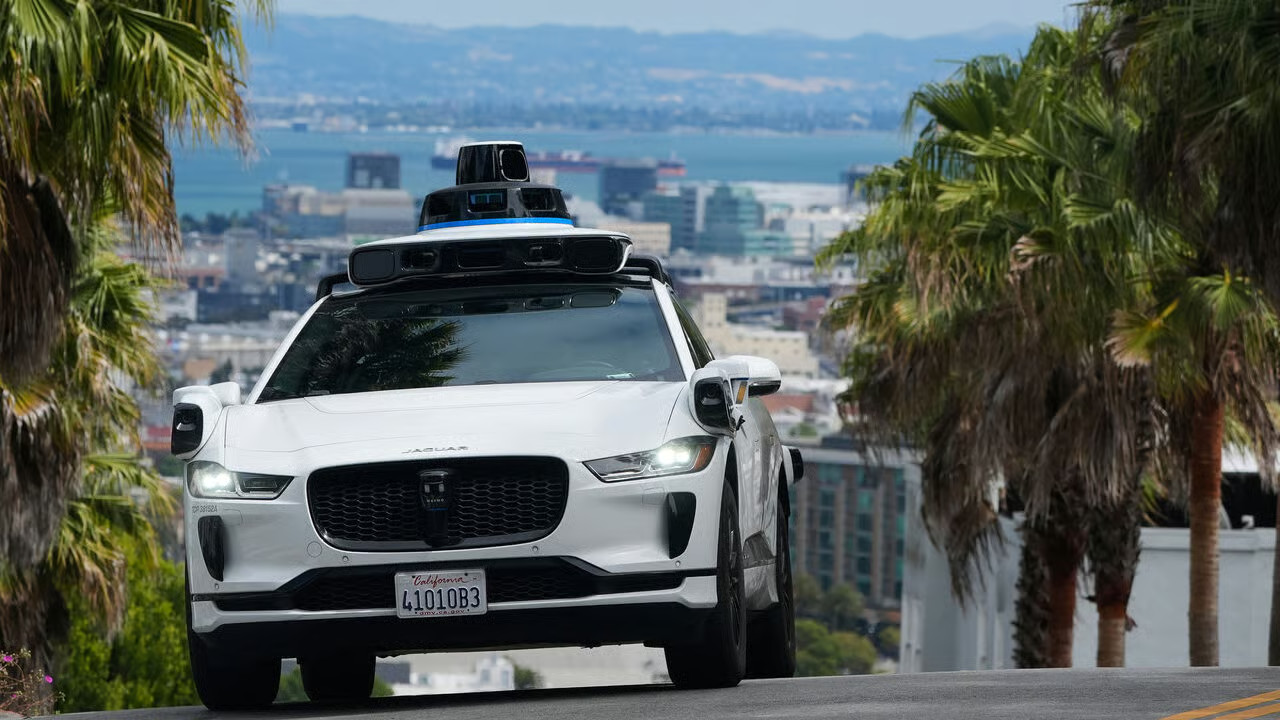
The technology has gotten way better since then. Modern systems work more reliably with upgraded cameras and sensors. Some can even get you out of a parking spot, not just into one.
But honestly, how useful is it? Parking takes a few seconds. Most drivers don't see the point in over-complicating it by activating a whole system. Compare that to adaptive cruise control, which also debuted in the early 2000s and is actually practical on long road trips where fatigue is real. Self-driving tech has come a long way since then and gets used constantly. Self-parking, not so much.