
Why Japan Is Full of Toyota Probox-es and Other Tiny Work Vans
by AutoExpert | 10 February, 2026
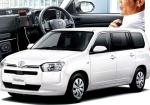
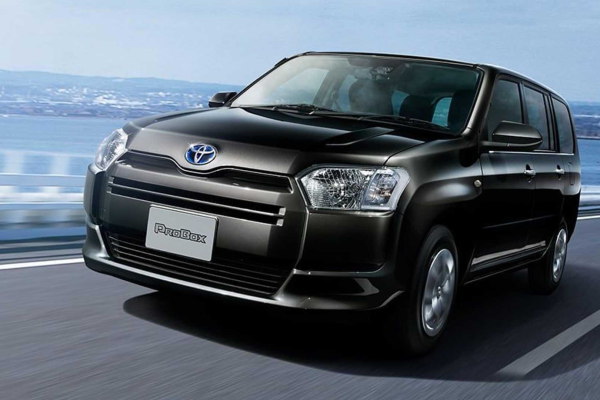
Visit Japan and one thing hits you immediately: vans. Vans absolutely everywhere. The entire country runs on these boxy little things instead of pickup trucks, and the one you'll see most is the Toyota Probox.
Seriously, step out of the airport and there's one. Walk another block and there's three more. They're so common it's almost funny.
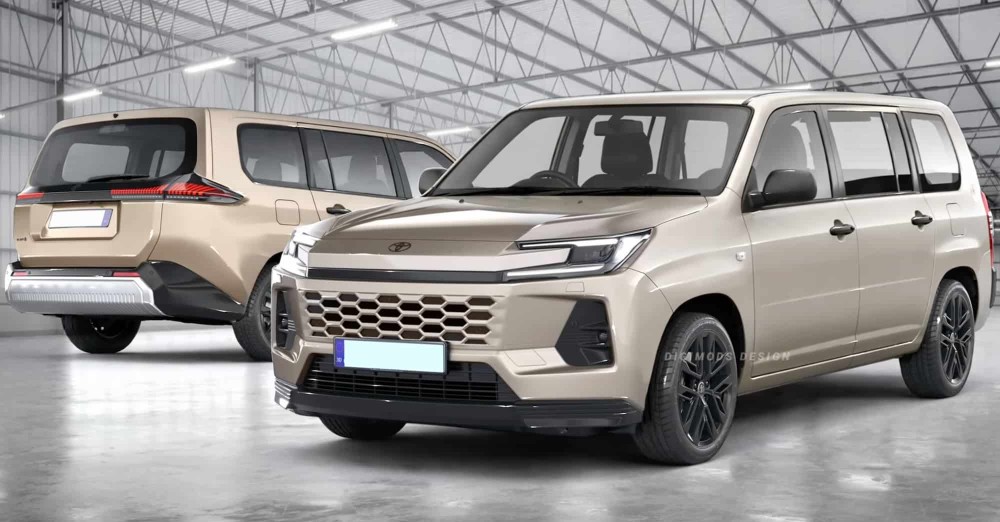
Still Running a 20-Year-Old Design
Toyota built the Probox on the same platform they used for the Echo, that little econobox Americans could buy from 2000 to 2005. Japan just kept going with it. Started production in 2002, gave it one mild refresh in 2014, and called it good. Four whole Corolla generations have come and gone in that time.
People didn't care. Sales stayed between 70,000 and 90,000 units a year through the late 2000s, then settled around 50,000 annually. Not bad for what's basically unchanged since the early 2000s.
Aggressively Plain
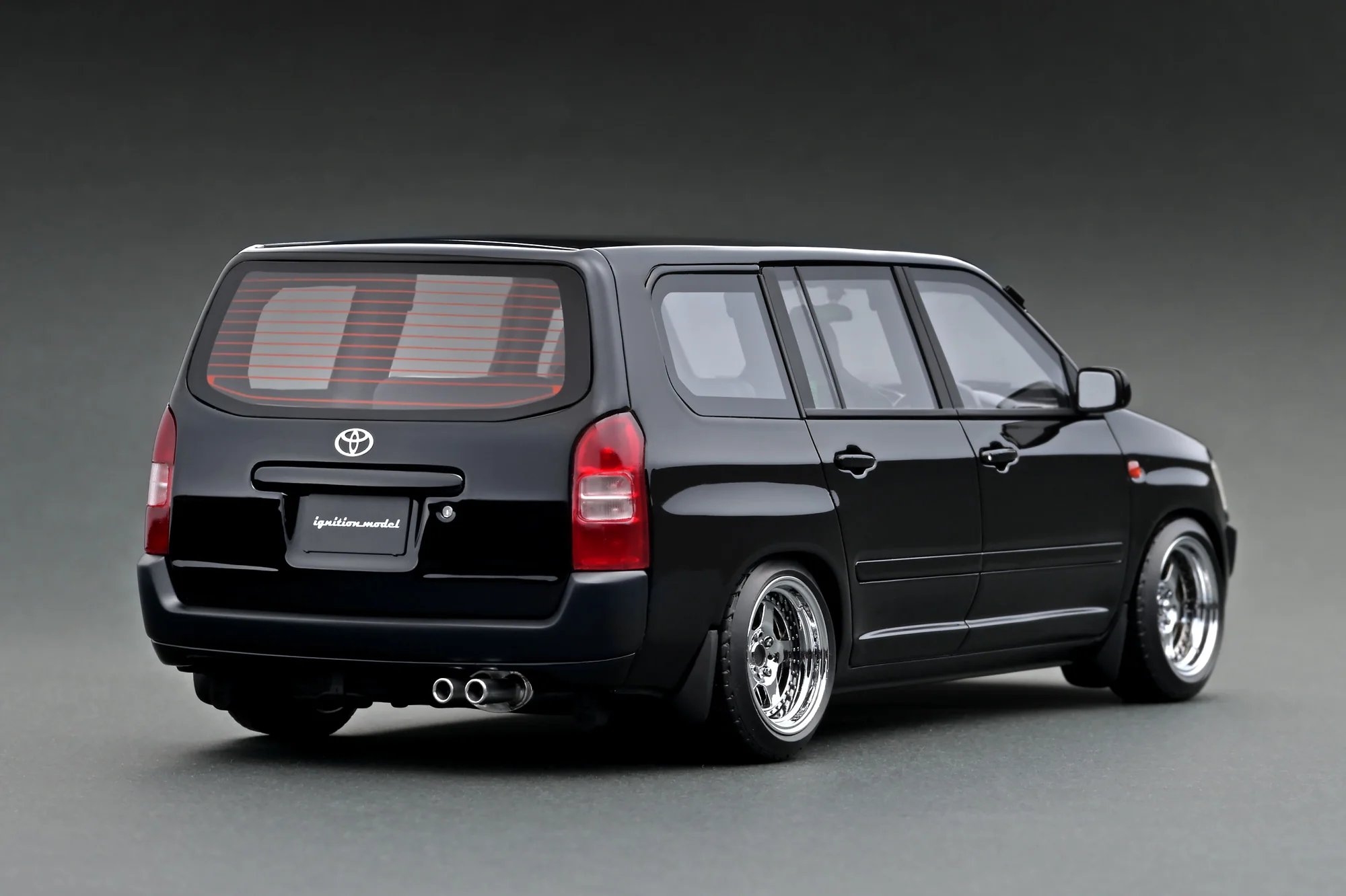
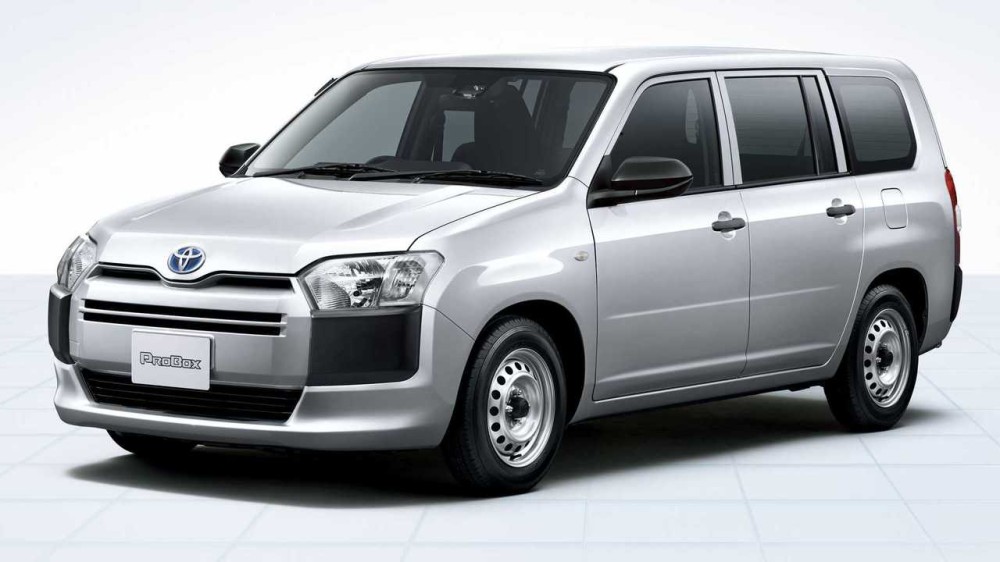
The Probox has zero personality. You get a radio, AC, and steel wheels. Spring for the top model and Toyota throws in wheel covers and a silver steering wheel badge. Want navigation? The dealer can install it.
It's just a box that does a job. But it does that job really well because it's cheap, practical, and lasts forever. Nothing fancy, nothing breaking down.
Takes Up Way Less Space
Look at a Ford Maverick. Thing's nearly 200 inches long, weighs over 3,300 pounds, hauls 33 cubic feet in the bed. The Probox is 165 inches, weighs 2,270 pounds, carries 19 cubic feet with the seats folded. Two-thirds the cargo space in a way smaller package. And when you don't need to haul stuff, flip the seats back up and it's a regular car again.
Kenya actually banned the passenger version because taxi drivers kept stuffing 15 people into five seats, which went about as well as you'd expect. Kidnapping gangs apparently loved them too. Fun facts.
Runs on Anything
Power comes from either a 1.3-liter or 1.5-liter four-cylinder making somewhere between 87 and 108 horsepower. Acceleration is glacial. Nobody cares. These engines have timing chains, run on whatever fuel you can find, and basically never quit. Perfect for countries where getting parts is a pain and mechanics work with whatever tools they've got.
Some places got a 1.4-liter diesel too, for people who thought the gas version was too exciting.
Costs Less Than a Decent Bicycle
Brand new with everything runs about $14,000 in Japan. Used one from 2015 with 42,000 miles? Around $3,600. The average bike in America costs $3,400.
Never Coming Here
The Probox only works in Japan because parking spots are tiny and people actually think about not being obnoxious with space. American cities were built around cars being big. Japanese cities have cars squeezed into whatever space is left over from a thousand years of history.
Plus those simple engines would need total overhauls to meet emissions rules here, which would jack up the price and ruin the whole point.
Still pretty wild seeing how different things are. Americans driving crew cab trucks solo to work, Japanese families cruising around in vans the size of a shed. Same planet, totally different approaches.