
Your Dashboard Is Lit. The Back of Your Car Might Be Completely Dark
by AutoExpert | 17 July, 2026
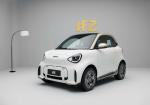
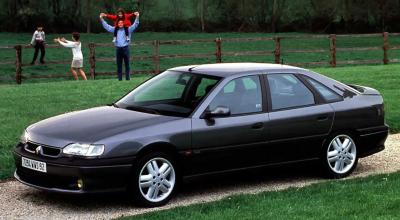
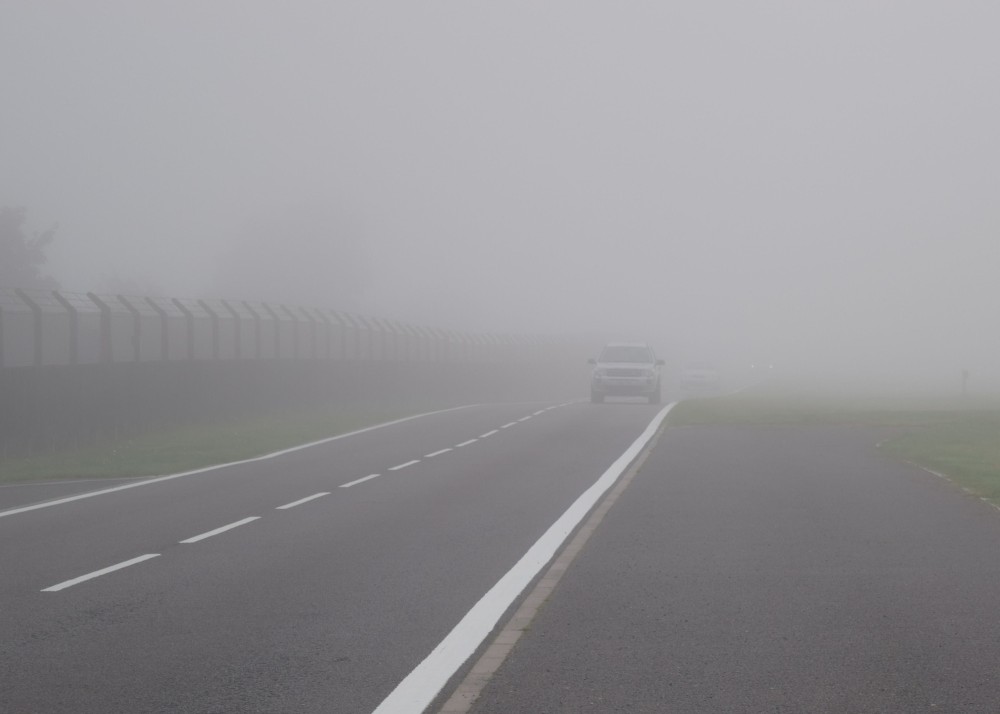
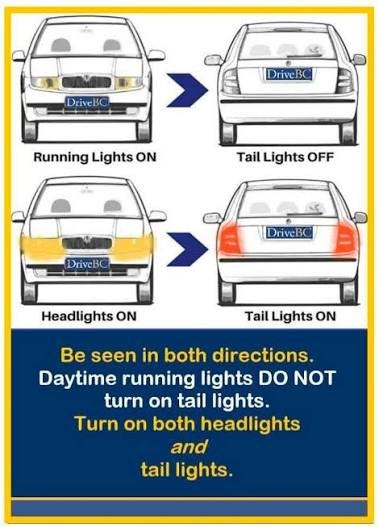
Picture a gray car on a gray highway just after sunset. From the front, everything looks normal. Its white daytime running lights are glowing, the dashboard is lit, and the driver has no reason to suspect anything is wrong.
From behind, the car has practically disappeared. No red taillights. No side markers. Just a dark shape blending into the road until somebody gets close enough for their headlights to find it.
The driver has not forgotten to switch on the lights in the traditional sense. The car has helped create the mistake.
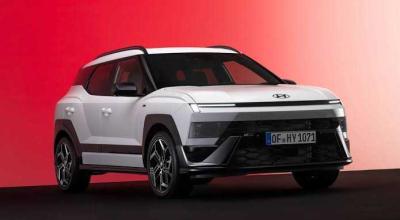
That is the awkward relationship between daytime running lights and tail lights. On many vehicles, the running lights at the front come on automatically when the engine starts. The taillights do not. Because the dashboard is also illuminated, the cabin provides all the reassuring signs of a car that has its lights on.
Except it does not.
Daytime running lights were never meant to replace headlights. Their job is to make the front of the vehicle easier to notice during the day, not to illuminate a dark road or make the car visible from every direction.
That distinction made more sense when dashboards stayed dark until the headlights were switched on. A driver who could no longer read the gauges had a fairly persuasive reminder sitting directly in front of them.
Modern dashboards are different. Digital instrument panels are illuminated whenever the car is running, often at full brightness. Add a pair of bright LED running lights and the illusion is complete. There is light on the road, light inside the car, and absolutely no light at the back.
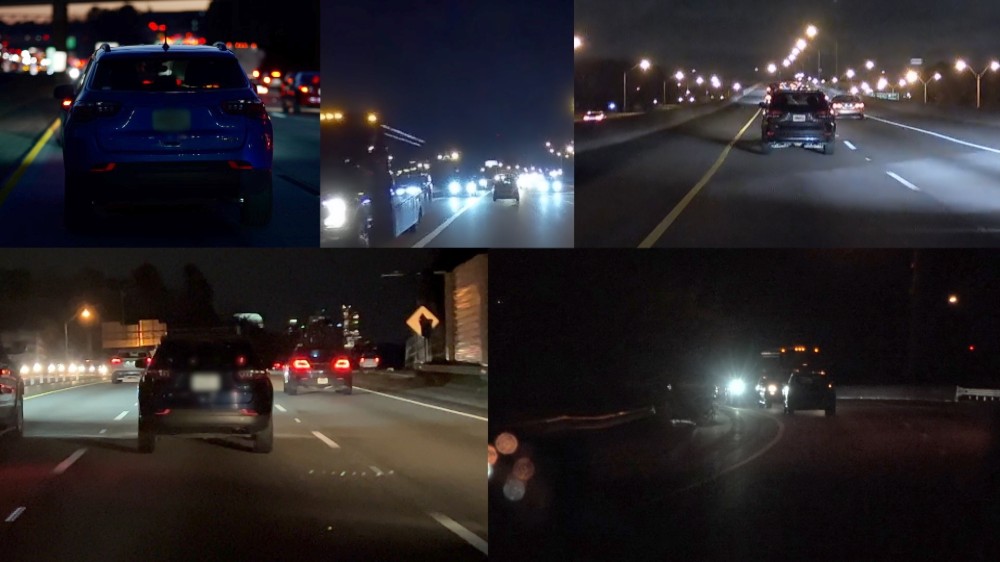
Transport Canada has a name for cars traveling this way: phantom vehicles. It is an excellent description, particularly when the vehicle is silver, black, or dark blue and the weather is doing its best to erase it.
Since September 2021, new vehicles sold in Canada have had to address the problem in one of three ways. Their taillights can come on with the daytime running lights, the headlights and taillights can switch on automatically in darkness, or the dashboard must remain dark until the driver turns on the lights.
Older vehicles are still out there, of course. So are cars built for markets with different rules. Even a vehicle equipped with automatic headlights can catch its driver out.
Automatic lights rely on a sensor to decide whether it is dark enough to switch them on. That usually works well at night. It may not work so well during a bright but violent rainstorm, in daytime fog, under heavy cloud, or while driving through a patchwork of shade and sunlight.
The sensor sees daylight. The driver sees rain. The car sides with the sensor.
Some vehicles automatically activate the headlights when the windshield wipers are used, but that feature is not universal and may require the wipers to run continuously for a set amount of time. A quick wipe of the windshield may change nothing.
The easiest answer is also the least glamorous: turn the headlights on manually when visibility is poor.
Not just the running lights. Not the parking lights. The low-beam headlights.
That brings the taillights and side marker lights into the job, making the car visible to people approaching from behind or from an angle. High beams are not the solution in fog or heavy rain. They throw more light back toward the driver and can make the view worse.
Every driver should also know what the symbols on the light switch mean. Many cars use a rotating stalk. Others hide the controls in a small panel near the driver’s knee. A growing number place at least part of the lighting menu on a touchscreen, because apparently even headlights needed a software interface.
“Auto” is useful, but it is not a promise. It simply means the car will make the decision most of the time. The driver still owns the final decision.
A simple check takes less than a minute. Start the car after dark, leave it safely parked, and walk around it. Check what happens with the switch in the off, automatic, parking-light, and low-beam positions. Look at the front lights, rear lights, license-plate lamps, and side markers.
This is also worth doing with a newly purchased car or rental. Familiar symbols do not always produce identical behavior from one model to another.
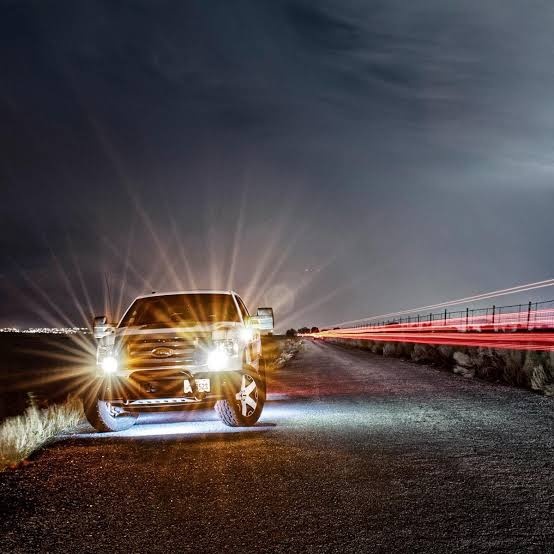
If another driver flashes their headlights from behind, resist the urge to assume they are impatient, rude, or strangely enthusiastic about your license plate. They may be trying to tell you that the back of the car is dark.
Daytime running lights are helpful. Automatic headlights are helpful. An illuminated dashboard is certainly nicer than squinting at unlit gauges.
The problem appears when all three make the driver believe the car has handled something it has not.
A quick twist of the light switch fixes it. More importantly, it makes the car behind visible before another driver has to discover it the hard way.