
One Wrong Box in a Used-Car Listing Can Cost You Real Money, and Sellers Get It Wrong More Than You Think
by AutoExpert | 7 July, 2026
Used-car listings make everything sound cleaner than it really is. The trim is right there. The features are listed. The price looks more or less in line with the other cars you have been watching. Maybe the ad even throws in a few magic words like premium package, driver assistance, tow package, or fully loaded, just to make the whole thing feel easier.
That is exactly why buyers get burned.

Because a used-car listing is not a sworn statement. It is a starting point. Helpful, sometimes. Accurate, often enough. But not something you should trust blindly, especially when the features in question are the exact ones affecting the price.
This is one of the easiest mistakes to make when shopping used. A car gets advertised with the “right” trim or package, and the buyer assumes all the important stuff is there. Bigger screen, upgraded audio, adaptive cruise, heated seats, third row, towing setup, whatever matters to them. Then they either show up in person and realize the car does not actually have what they thought it did, or worse, they buy it first and figure it out later.
That is a lousy way to learn how much vague listing language can cost.
Because a lot of these errors are not malicious in some cinematic sense. They are just lazy, automated, or sloppy. Dealers and sellers often rely on VIN-decoding software, bulk listing tools, database fills, and trim-based shortcuts that can get broad information right while still missing the actual equipment on the car. Optional features get treated like standard ones. Packages get guessed at. One similar vehicle gets confused with another. Suddenly the ad says the car has something it never had, and now you are shopping a version of the vehicle that exists mostly in software.
That is why verifying installed options matters so much more than people think.
The simplest starting point is the photos.
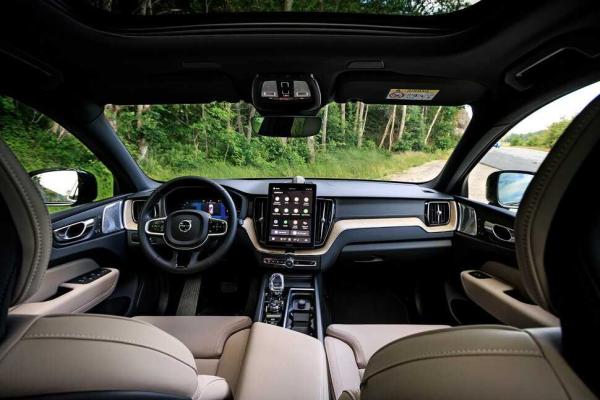
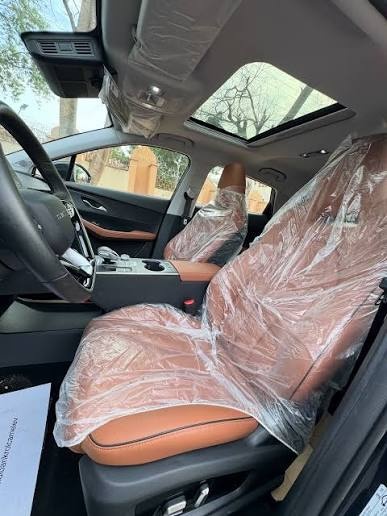
Not glamorous, but useful. Photos can tell on a bad listing faster than the description can fix it. If the ad says the car has a giant infotainment screen, then the dashboard should show a giant infotainment screen. If the seating setup matters, then the cabin photos should make that clear. If the car is supposed to have captain’s chairs, premium audio, trailer controls, a head-up display, heated and ventilated seats, or some special exterior trim package, there should be some visible evidence that these things exist.
If the listing keeps making claims the photos never bother to back up, that is your cue to slow down.
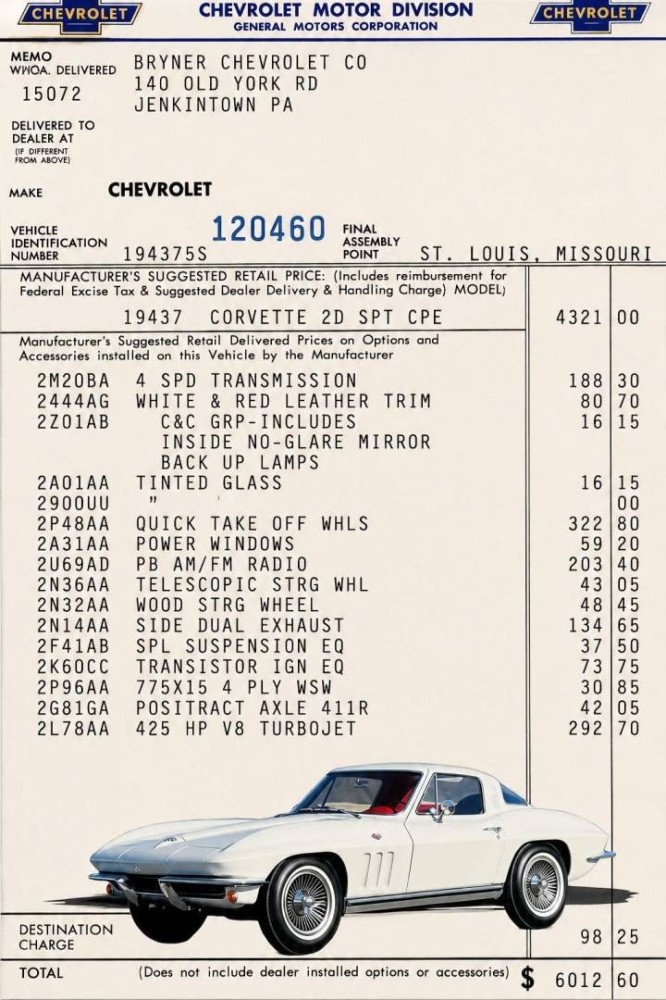
And yes, some features are harder to see in pictures. That is where VIN-based tools become useful, because they let you stop relying on the seller’s storytelling and start checking how the vehicle was actually built. A VIN can tell you a lot. Sometimes just the basics, sometimes much more, depending on the tool. Model year, trim, engine, drivetrain, body style, sometimes standard equipment, sometimes more detailed factory information. And if you can get the original window sticker or a build sheet, that is even better.
That is where the car stops being a generic listing and starts becoming a specific machine.
A window sticker is especially useful because it shows the vehicle as it left the factory. Original MSRP, standard equipment, factory options, destination charge, fuel economy, the real bones of the car before years of owner modifications, dealer add-ons, and optimistic listing language got involved. A build sheet can go even deeper on some vehicles, especially when you need to confirm option codes, drivetrain details, or something more technical than a typical ad will ever explain properly.
Still, none of that should replace looking at the actual car.
That part matters too much.
Because even when the paperwork lines up, you still want to confirm the features on the vehicle itself. This is especially true for modern driver-assistance systems, which are one of the easiest things for sellers to describe vaguely and buyers to misunderstand. Standard cruise control is not adaptive cruise control. Lane departure warning is not lane centering. A backup camera is not a full surround-view system. “Parking assist” can mean anything from beeping sensors to much more advanced tech, depending on the brand and the year.
If it matters to you, test it.
The same goes for comfort and convenience features. Heated seats should heat. Ventilated seats should ventilate. The power liftgate should open. The wireless charger should be there if the listing says it is. Camera views should show up in the menus. Navigation, trailer settings, audio upgrades, memory seats, rear climate functions, all of that should be visible, usable, and real.
That is why infotainment menus deserve more attention than people give them.
A lot of important equipment hides there now. The screen can reveal what the car actually has better than the badge on the trunk ever will. If a feature is supposed to exist, it often leaves traces in the menus, settings, or system layout even before you start testing it. That makes the screen one of the most underrated places to verify what you are actually buying.
And if you are not seeing the proof, ask for it.
This is one of those moments where being specific helps. Do not ask, “Does it have the premium package?” That question is too soft and too easy to answer carelessly. Ask, “Can you send me the window sticker?” Ask, “Can you send a photo of the trailer settings in the menu?” Ask, “Can you show the third-row layout folded and unfolded?” Ask, “Can you send a photo of the seat controls?” Those questions force a better answer.
That is what you want before money gets involved.
Because the whole point of verifying options is not just to avoid disappointment. It is to avoid paying the wrong price. If a listing claims the car has expensive equipment it does not actually have, then the asking price may be too high no matter how innocent the mistake was. On the flip side, if the car quietly has useful factory options the seller did not describe well, that can make the vehicle more attractive than it first looked.
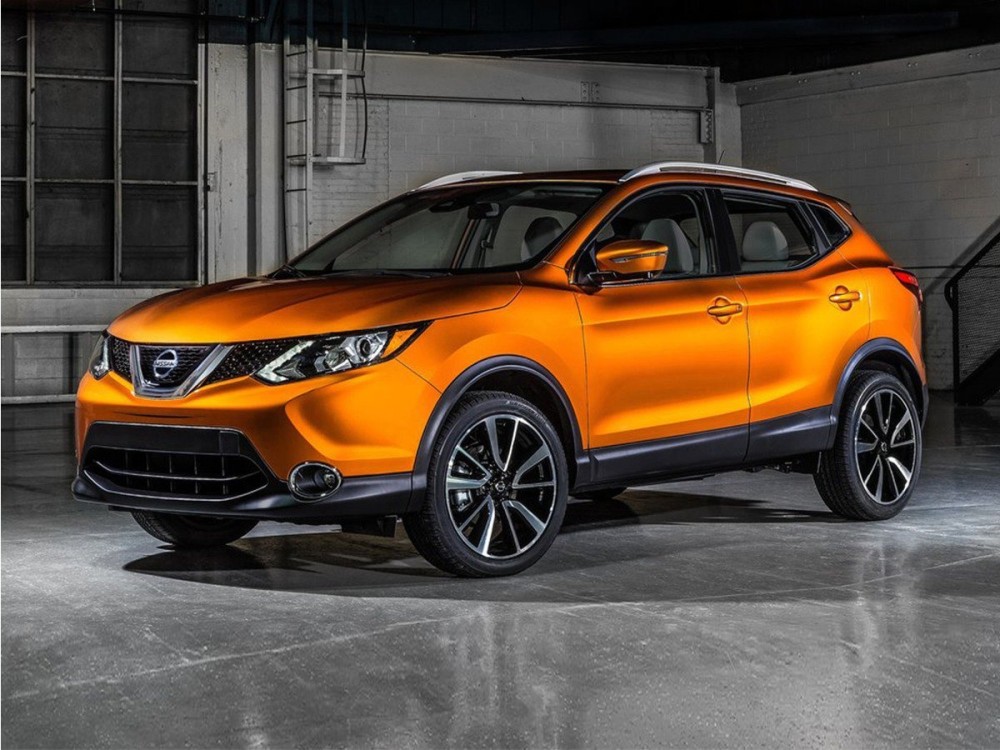
Either way, the details matter.
That is the real lesson here. A used-car listing is not the truth. It is an invitation to confirm the truth. The more a feature matters to your budget, comfort, safety, seating, towing, or day-to-day usefulness, the less willing you should be to just take the ad’s word for it.
Because trim names can mislead. Photos can hide things. Software can guess wrong. Sellers can be vague. And one inaccurate listing box is all it takes to make the wrong car look like the right one.