Why Your Car Switches On the Air Conditioning When You Ask for Heat
by AutoExpert | 15 July, 2026
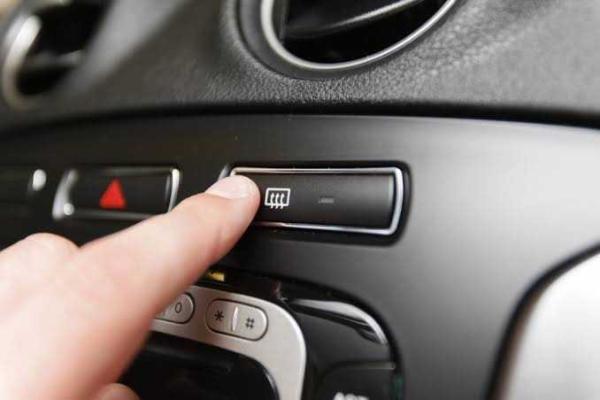
It is a cold morning. The windshield is cloudy, the cabin feels like a refrigerator, and the defrost button has just been pressed with all the optimism available before coffee. Then the A/C light comes on.
This can look like a minor act of rebellion from the climate-control system. Nobody asked for cold air. The temperature is set to hot, the driver is wearing gloves, and the car has apparently decided that July would be a better theme.
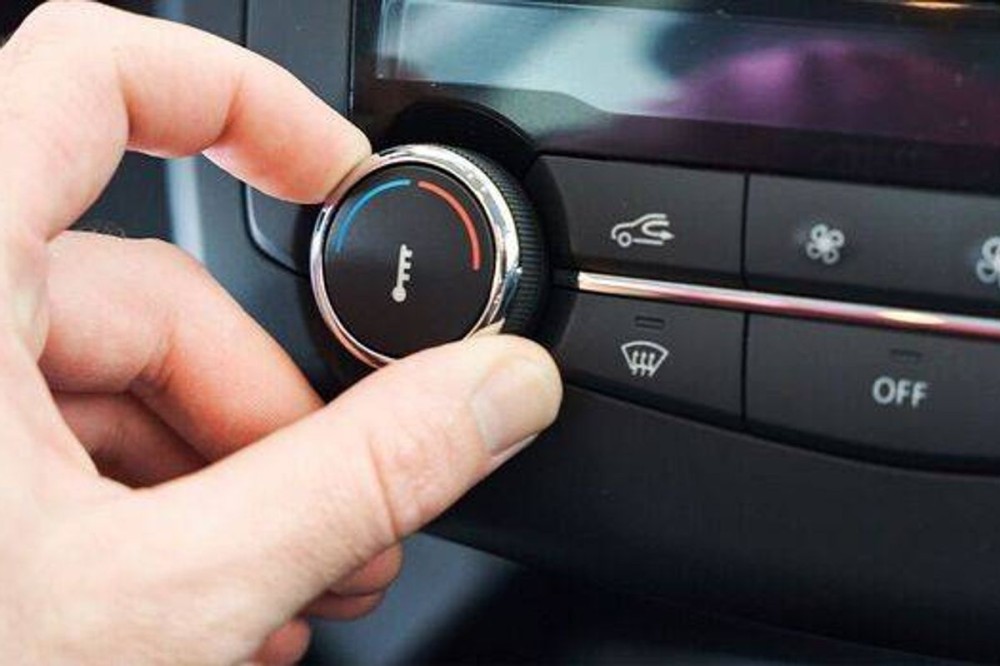
The car has not misunderstood. The air conditioner is there to dry the air, not necessarily to make it cold.
That distinction is the reason a modern climate system can run the heater and air conditioning at the same time without the two simply cancelling each other out.
The problem is moisture, not just temperature
Windshield fog is condensation. Warm air inside the cabin carries moisture from wet coats, snowy shoes, damp carpets, and human breath. When that humid air meets cold glass, the water vapor condenses into countless tiny droplets.
Those droplets scatter light, turning the windshield milky and reducing visibility. Wiping the glass with a sleeve may clear one patch for a moment, but it also leaves streaks and skin oils that give future condensation an even friendlier surface.
Warm air helps because it can hold more moisture and heats the glass. Air conditioning adds another useful step: it removes water from the air before it reaches the windshield.
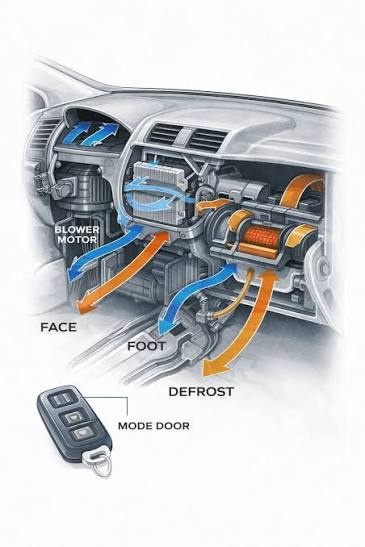
Inside the climate system, moist cabin air passes over the cold evaporator. Water condenses there and drains beneath the vehicle. The now-drier air can then be warmed by the heater core and directed onto the glass.
What reaches the windshield is not a blast of summer cooling. It is warm air with a much stronger appetite for moisture.
That is why the A/C indicator may illuminate automatically when defrost is selected. The system is assembling the quickest combination it has: dry the air, heat the air, and send plenty of it toward the glass.

Heat and A/C are not having an argument
Car heaters and air conditioners do different jobs in different parts of the system.
In most gasoline and diesel cars, the heater uses hot engine coolant passing through a small radiator called the heater core. Air conditioning uses a refrigerant circuit and compressor to cool the evaporator and remove heat and humidity from the air. Climate-control doors then mix and direct the airflow to produce the requested cabin temperature.
This means air can be cooled enough to shed moisture, then reheated before it reaches the occupants. It sounds wasteful until the windshield clears in half the time.
Electric vehicles create cabin heat differently, often through a heat pump or electric resistance heater, but the underlying defogging problem is the same. Moisture still needs somewhere to go.
The recirculation button can make matters worse
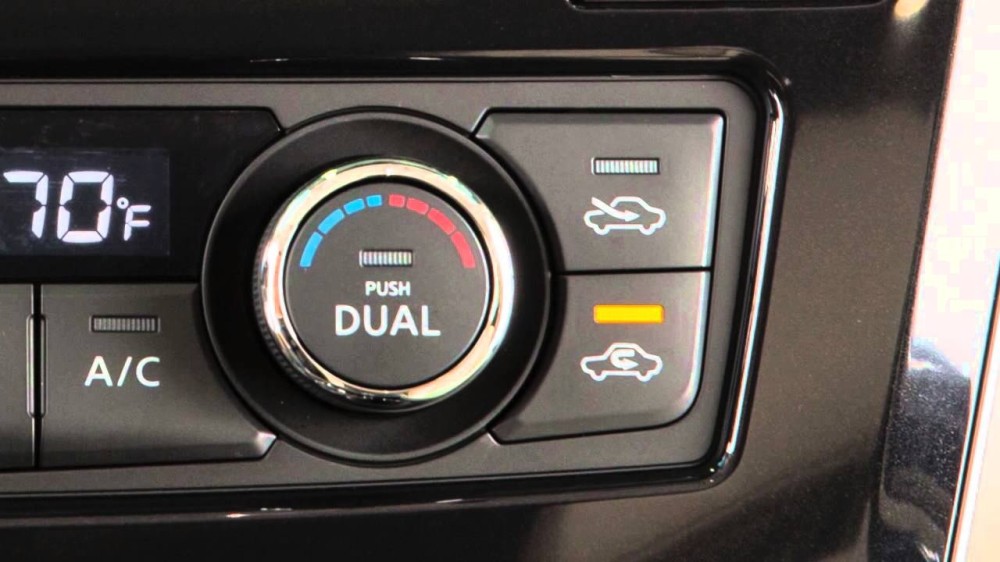
The button showing a car with a looping arrow is excellent when cooling a hot cabin. Instead of constantly pulling in hot outside air, the system recirculates air that has already begun to cool.
On a cold, wet morning, that same setting can trap humidity inside. Every breath, damp umbrella, and melting patch of snow adds more moisture to the loop. The windows clear, begin to haze again, then clear only reluctantly.
For winter defogging, outside-air mode is usually the better choice. Cold outside air may feel damp, particularly during rain, but once heated, it can absorb moisture from the cabin. Many cars switch away from recirculation automatically when the windshield defrost mode is chosen.
Toyota’s owner guidance makes the point plainly: activating the cooling and dehumidification function clears the windshield and side windows faster, while prolonged use of recirculated air makes fogging more likely.
Automatic systems sometimes hide these decisions. The recirculation light may go out, the compressor request may appear, and the fan speed may rise without much ceremony.
The car is not taking control for sport. It is trying to make the road visible again.
Why the compressor may not actually run
An illuminated A/C light means the system has requested air-conditioning operation. It does not guarantee that the compressor is spinning at that exact moment.
Many vehicles prevent compressor operation at very low outside temperatures to protect the system or because the evaporator could freeze. The exact cutoff varies by vehicle. Some modern variable compressors also cycle or reduce output rather than switching on with an obvious click.
The defrost strategy still uses maximum airflow, outside air, and heat. As the car warms or conditions allow, the compressor can contribute dehumidification.
This is also why there is no need to fight the A/C button simply because the weather is cold. If the vehicle decides conditions are unsuitable, its control system will usually manage the compressor accordingly.
The quickest way to clear an interior-fogged windshield
Select the windshield defrost setting and raise the fan speed. Use warm air, allow the A/C function to operate, and switch recirculation off. If the cabin is extremely humid, cracking a window briefly can let some of that moisture escape.
Remove the source where practical. Shake snow from shoes before climbing in. Do not leave wet floor mats, umbrellas, or soaked clothing inside longer than necessary.
If the carpets remain damp for days, investigate for a blocked drain, leaking weather seal, or heater-core problem rather than treating endless fog as a personality trait.
A clean windshield helps too. The greasy film that builds on interior glass gives moisture plenty of places to collect and makes the haze more visible when headlights hit it. Clean the inside with an appropriate automotive glass cleaner and a fresh microfiber cloth. On cars with aftermarket window tint, make sure the product is safe for the film.
Avoid pouring hot water on an icy windshield. The sudden temperature difference can stress the glass, and the water may simply refreeze elsewhere. Use the vehicle’s defroster, an ice scraper, and suitable de-icer instead.
Not every kind of fog needs the same response
Condensation on the inside means the cabin air is too humid for the temperature of the glass. Drying and warming the air is the answer.
Fog on the outside is different. It often appears on warm, humid days when aggressive air conditioning chills the windshield below the outdoor dew point. The wipers will usually clear it, and raising the cabin temperature slightly can prevent it from returning.
Fog trapped between the layers of laminated windshield glass cannot be wiped from either side. That can indicate delamination or damage and deserves professional inspection. Moisture repeatedly forming inside a lamp or instrument display points to another sealing problem rather than ordinary cabin condensation.
The little A/C light on a winter morning is therefore not evidence that the car has lost track of the season. It is evidence that the climate system understands something drivers often forget: a clear windshield needs dry air as much as it needs warm air.