That Red Oil Can Is Not an Oil Change Reminder. It Is a Stop-Driving Warning.
by AutoExpert | 16 July, 2026
There are dashboard lights that can wait until the weekend. A low washer-fluid warning, for instance, is hardly a reason to abandon a grocery run. The red oil-can symbol is not one of those lights.
It is easy to mistake it for a reminder that an oil change is due soon. After all, it looks like an oil can. The car may still feel normal. There may be no smoke, no strange noise, no dramatic message telling the driver to pull over immediately.

That does not make it safe to continue.
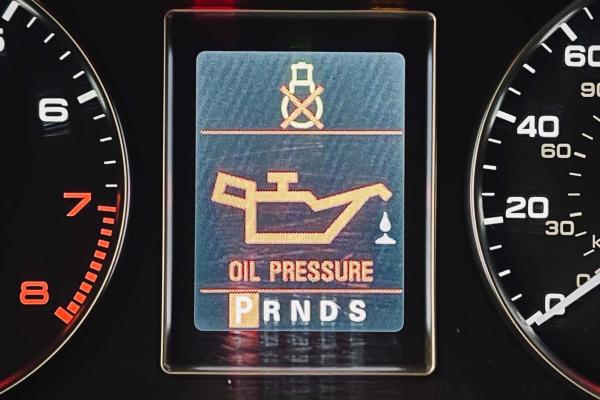
In most gasoline and diesel vehicles, the red oil-can light means oil pressure is too low. Not necessarily oil level, although low oil can be the cause. Pressure.
The difference matters because an engine does not simply need oil sitting in the pan at the bottom. It needs oil moving through the engine under pressure, reaching bearings, camshafts, timing components, and other parts that would not enjoy rubbing together without lubrication.
When pressure disappears, damage can happen quickly. Bearings can overheat, metal surfaces can score, and an engine that might have needed a repair can become an engine that needs replacing.
That is why the red oil-can light should be treated very differently from an oil-life monitor.
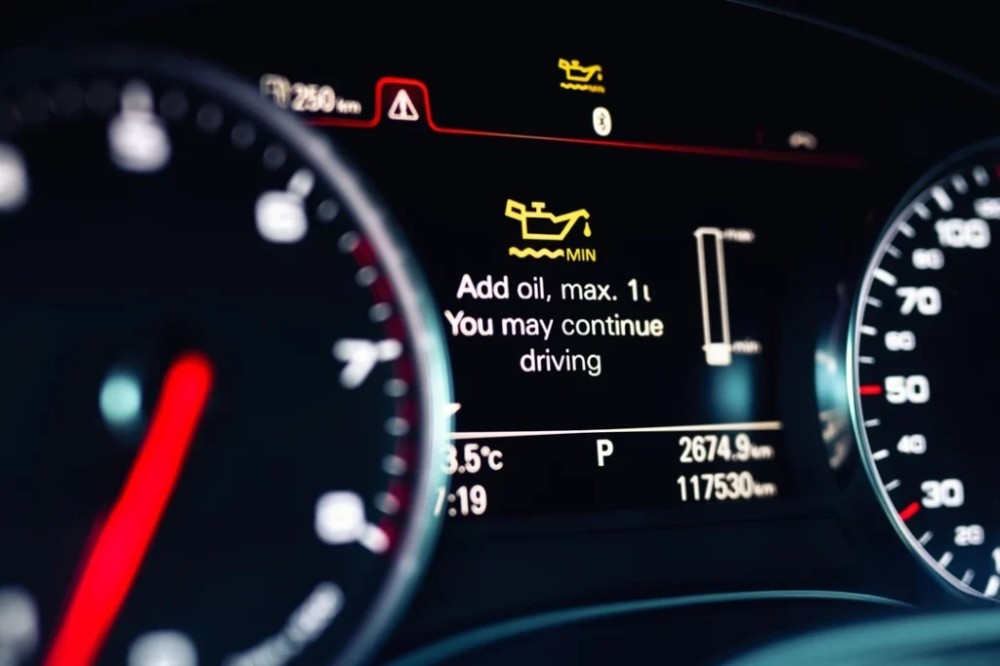
An oil-life display is a maintenance calculation. It estimates when the oil should be changed based on mileage, time, temperature, driving style, and other factors determined by the manufacturer. It may tell the driver that 15 percent of the oil’s useful life remains. It may display “change oil soon.” That is important, but it is not an emergency.
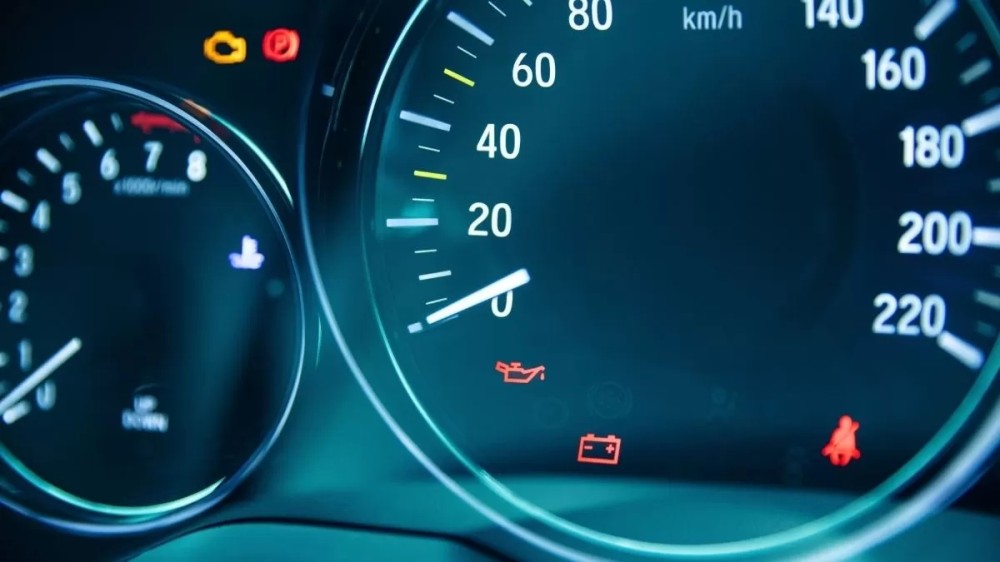
The red oil-pressure light is an emergency warning. It means the engine may not be lubricating itself properly at that moment.
If the light comes on while driving, ease off the accelerator, find a safe place to pull over, and switch the engine off. Do not keep going because home is only five minutes away. Five minutes can be a very long time for an engine with little or no oil pressure.
Once parked safely and the engine has had time to settle, check the oil level if the vehicle has a dipstick and it is safe to do so. A level below the minimum mark may explain the warning. Add the correct oil slowly, recheck the level, and start the engine only if the manual allows that procedure.
If the warning remains on, switch the engine off again. The car needs proper diagnosis, not optimism.
Low oil level is only one possible cause. The engine may have an external leak, be burning oil, or have gone far too long between checks. The oil pump may be failing. The pickup screen inside the oil pan can become restricted. A blocked filter, damaged wiring, a faulty sensor, worn engine bearings, or oil that has become badly contaminated can also cause low pressure.
Sometimes the sensor is the problem. That does happen. But it is impossible to know from the driver’s seat, and assuming that the engine is fine because it sounds fine is an expensive gamble.
A healthy engine can be surprisingly quiet while something serious is developing. The classic knocking sound often arrives after damage has already started.
Drivers of older cars, high-mileage cars, performance cars, and vehicles known to consume oil should make checking the dipstick part of normal ownership. It takes a minute at a fuel stop or before a long trip. The oil should be checked on level ground, with the engine off, following the timing instructions in the owner’s manual.
It is not glamorous maintenance, but neither is explaining why the engine seized.
Modern vehicles have encouraged many drivers to stop looking under the hood, which is understandable. Cars are more reliable than they used to be, and most owners are no longer expected to adjust ignition timing or clean a carburetor on a Saturday afternoon. Still, engine oil remains one of the few things worth keeping an eye on.
The red oil-can symbol is not the car asking for an appointment next week. It is the car asking to stop now.