Premium Gas Isn’t Better Gas, Unless Your Engine Actually Needs It
by AutoExpert | 16 July, 2026
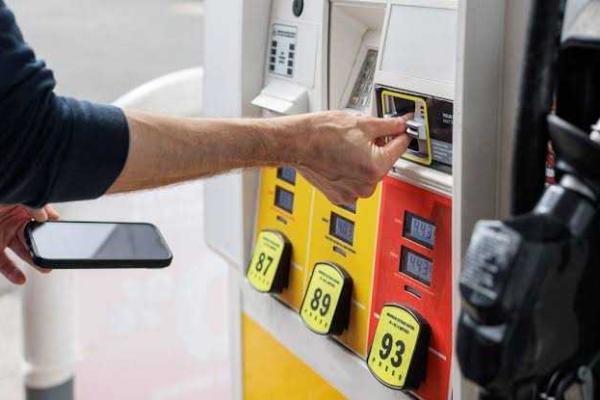
The extra button at the fuel pump has a way of making regular gasoline seem slightly irresponsible. It is sitting there with a higher number, a higher price, and the word “premium” printed above it. That is persuasive branding. Nobody likes the idea of feeding a car the cheaper option when there is apparently a better one available a few inches to the right.
But premium gasoline is not better gasoline in the way that a better tire, better oil, or better brake pad might be. It is gasoline with a higher octane rating. That rating matters a great deal in some engines and almost not at all in others.
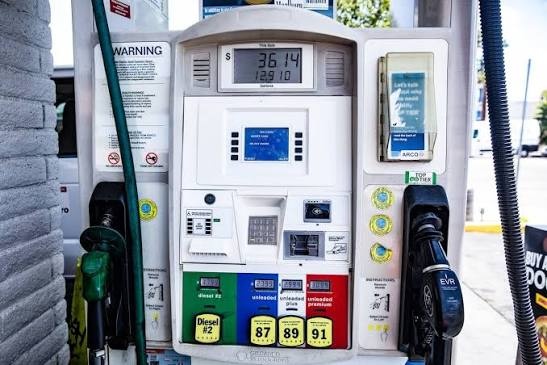
The useful question is not whether premium is better. It is whether the engine can use it.
Octane measures a fuel’s resistance to knocking. Knock, sometimes heard as a pinging or rattling sound under load, happens when the fuel-air mixture ignites too early or burns in an uncontrolled way inside the cylinder. Modern engines have sensors and computers that work hard to prevent it, but high-compression and turbocharged engines can need fuel that resists knock more effectively.
That is what 91 or 93 octane is for.
A car designed to run on 87-octane regular does not suddenly become quicker, smoother, or more refined because premium has been poured into the tank. The engine is not asking for that additional knock resistance, so it has nothing useful to do with it. AAA tested regular and premium fuel in cars designed for regular gasoline and found no meaningful improvement in horsepower, fuel economy, or emissions.
In other words, a regular-fuel family sedan will not reward its owner for expensive tastes at the pump. It will simply travel the same distance with a lighter wallet.
The confusion usually begins with the wording in the owner’s manual. Cars tend to fall into three groups: regular required, premium recommended, and premium required. Those last two sound similar enough to cause trouble, but they are not the same thing.
If the manual says regular fuel is required or recommended, that is the easy one. Use regular. There is no prize for choosing a higher octane fuel the engine was never designed to need.
If the manual says premium is recommended, the manufacturer is saying something more nuanced. The engine can generally operate on regular fuel, but it may not deliver its full advertised performance or maximum fuel economy under certain conditions. This is common with some turbocharged engines, where the computer can adjust ignition timing according to the fuel in the tank.
A driver may notice nothing at all in ordinary commuting. Another may notice the difference during a long climb, a full-load highway pass, a very hot day, or while towing. It depends on the engine, the car, and how it is being used.
Premium required is different. That means the engine has been calibrated with higher-octane fuel in mind. Filling it with regular once by mistake is unlikely to cause a dramatic roadside disaster in a modern car, because knock sensors will usually step in to protect the engine. Repeatedly using lower-octane fuel, though, is not a clever way to save money. The car may pull back power, use more fuel than expected, or develop knock under load. Follow the label inside the fuel door and the owner’s manual, not a theory from the internet.
There is another belief that refuses to leave the gas station: premium fuel cleans an engine better.
Octane and detergent levels are separate things. A high-octane fuel is not automatically a more effective cleaner, and regular fuel is not automatically inferior. Fuel quality varies by brand and formulation, but the word “premium” on its own tells a driver only about octane. It does not promise a cleaner intake system, longer engine life, or a secret extra 20 horsepower.
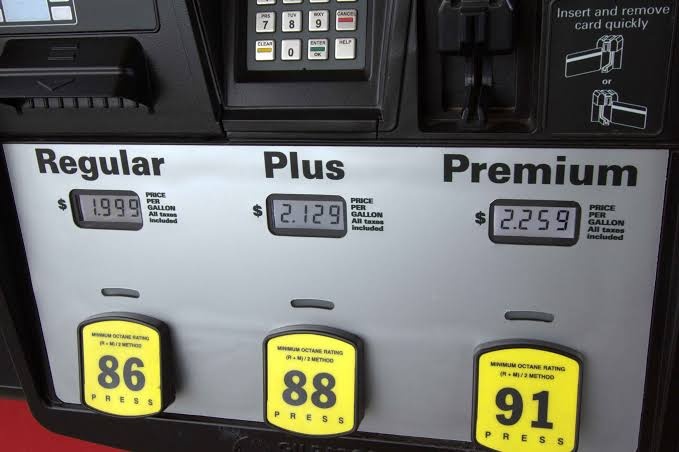
If keeping the fuel system clean is the concern, look for a reputable fuel brand, follow the maintenance schedule, and make sure the car is driven enough to reach normal operating temperature. A vehicle that only covers short trips, never warms up properly, and skips oil changes will not be rescued by the most expensive nozzle at the pump.
The best habit is pleasantly unglamorous: check the manual once, make a note of what it says, and stop thinking about it every time the fuel light comes on.
Some cars need premium. Some merely prefer it. Most do not benefit from it at all.
The pump does not know which one is parked beside it. The owner’s manual does.