
Why the Car in Front Blinks Red and Yours Blinks Amber
by AutoExpert | 16 July, 2026
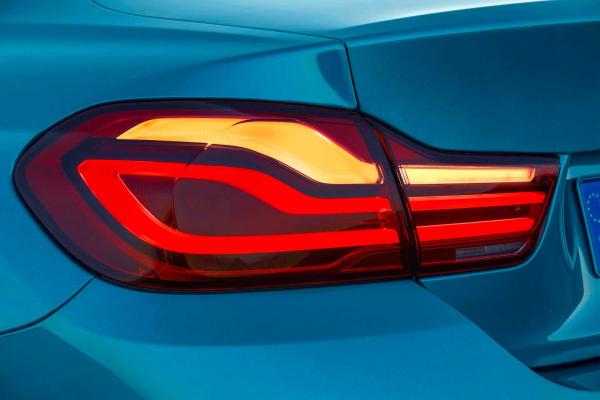
Watch the back of two cars at the same intersection and you might notice something odd. The first car hits the brakes, then one of its red brake lights starts flashing. The second car does the same maneuver, except its turn signal is amber and completely separate from the brake lights.
Same message. Two very different ways of delivering it. And once you notice the difference, the red version starts to look slightly strange. Is the car braking? Turning? Has one brake light failed? Most drivers work it out immediately, of course, but the light is still asking them to interpret something that an amber signal explains without any effort.
That is the peculiar thing about rear turn signals in America.
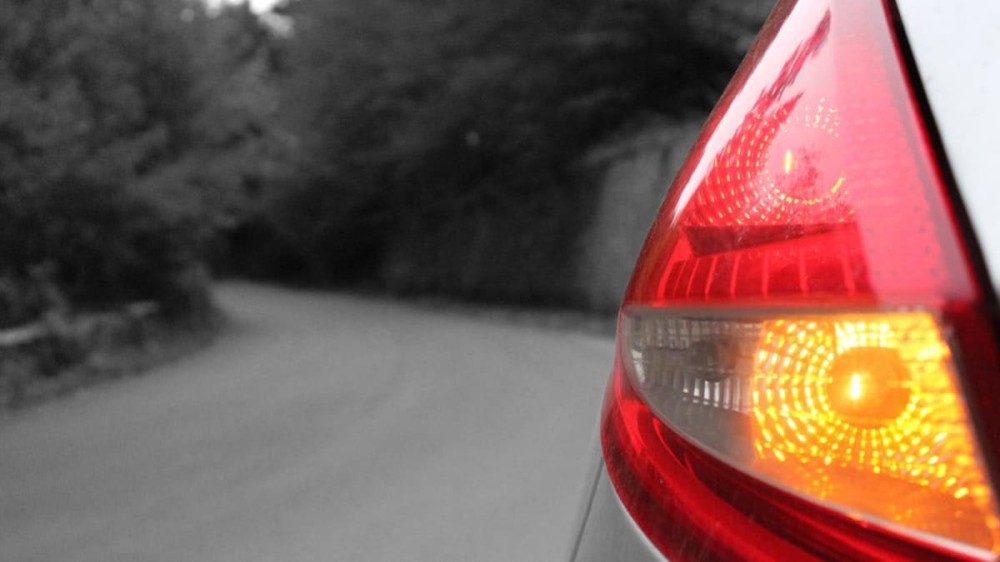
Unlike much of Europe, where rear indicators are amber, the United States allows automakers to use either amber or red. That is why one car might have a bright orange strip sweeping across its taillight while the next one simply flashes part of the brake lamp.
Both are legal. One is arguably much easier to understand.
The red arrangement is not the result of some grand design philosophy. It mostly comes from a time when cars had simple lights, simple wiring, and manufacturers saw no reason to install another bulb when the existing one could do two jobs.
Press the brake pedal and both rear lights glow red. Use the turn signal and the light on that side begins flashing instead. If the driver is braking and turning at the same time, one lamp stays solid while the other blinks.
It works. It is cheap. It also means the brake light has to stop being a brake light for a moment so it can tell everyone the car is turning.
Amber signals do not have that problem. The red brake lights keep doing their job, while a separate amber lamp handles the turn signal. There is no overlap and very little to decode. Red means the car is slowing down. Amber means it is about to move sideways.
That feels like the more obvious system because it is.
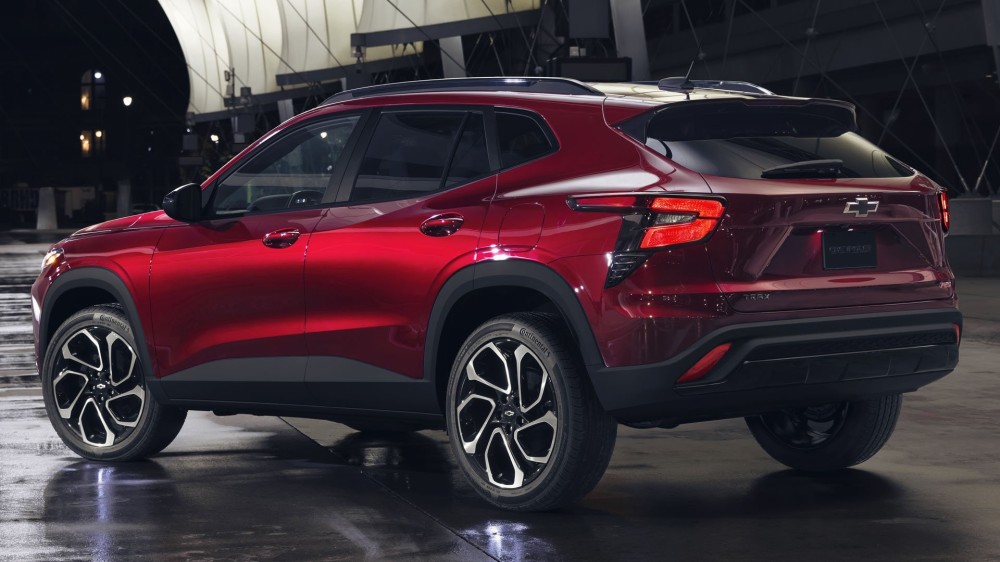
Automakers still use red indicators in the United States for a few reasons. On some cars, the taillights were designed that way from the beginning. On others, combining the brake and turn functions saves a little space, wiring, and money. There is also the simple fact that American regulations allow it, and manufacturers rarely volunteer to make a part more complicated than the law requires.
Things get more interesting when the same car is sold in different countries.
A model built for Europe may leave the factory with amber rear indicators, while the American version gets red ones. Sometimes the change is barely noticeable until both versions are parked beside each other. Other times, the entire internal layout of the taillight is different.
This is not because European drivers have developed a special fondness for orange lights. UN lighting regulations used across Europe require rear direction indicators to emit amber light. The American rule does not.
So manufacturers either use amber everywhere or build different lamp assemblies for different markets. And because car companies already change bumpers, reflectors, headlights, and software to satisfy local rules, another taillight variation is hardly unusual.
But this is not only a story about regulations and manufacturing costs. There is a safety question here too.
NHTSA studied cars that had switched between red and amber turn signals across different model years. That gave researchers a useful comparison because they could look at versions of broadly similar cars with different signal colors.
The result favored amber.
According to the study, amber rear indicators were 5.3% more effective than red ones at preventing certain crashes where the vehicle ahead was turning, changing lanes, merging, parking, or making another maneuver that would normally involve a signal.
Five percent may not sound enormous. It is not the sort of number that will sell a luxury package or look exciting in a dealership brochure. But changing a light from red to amber does not require radar, cameras, artificial intelligence, or a monthly subscription. It simply makes the car’s intention easier to recognize.
There is an important caveat. The study was published in 2009, and taillights have changed considerably since then. Modern LEDs illuminate faster than old incandescent bulbs. Many cars now have enormous light bars, animated indicators, blind-spot monitoring, and brake lights bright enough to illuminate a small airport.
Still, the basic problem has not changed.
A red flashing light has to compete with the other red lights around it. An amber light stands out immediately. When traffic is moving quickly and the driver behind has only a moment to react, that distinction can matter.
Modern lighting design has made the old cost-saving argument weaker too. Cars already have complicated LED clusters containing dozens of individual elements. Manufacturers use them to create welcome animations, farewell animations, charging displays, and dramatic light shows every time the doors unlock.
Adding a clearly visible amber turn signal is not exactly asking them to reinvent electricity.
Some brands have embraced it. Others are still devoted to the red flasher, either for styling reasons or because American buyers are used to it. And yes, red indicators can look perfectly good. On a classic muscle car with simple round taillights, an amber section might look completely out of place.
But on a new car covered in sensors, screens, and enough computing power to run a small office, flashing the brake light because there was apparently no room for a proper turn signal feels harder to defend.
The red signal is legal. It works. Drivers understand it.
Amber just explains the same thing faster.