V6 vs V8 Maintenance Costs: Is a V8 Really More Expensive to Keep Running?
by AutoExpert | 13 February, 2026
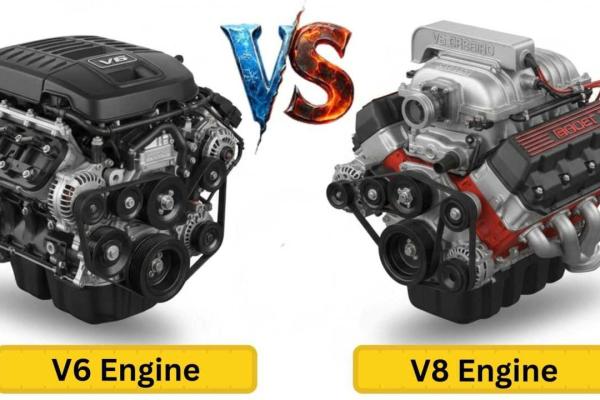
V8s have two more cylinders than V6s, which means more parts to maintain. Eight spark plugs instead of six. Eight fuel injectors instead of six. More oil at every change. But does that actually add up to a big difference in your wallet?
Not as much as people think. V6s are smaller and lighter, putting less stress on engine mounts and everything around them. V8s are more complex mechanically. But when it comes to actual maintenance costs, the gap is pretty small.
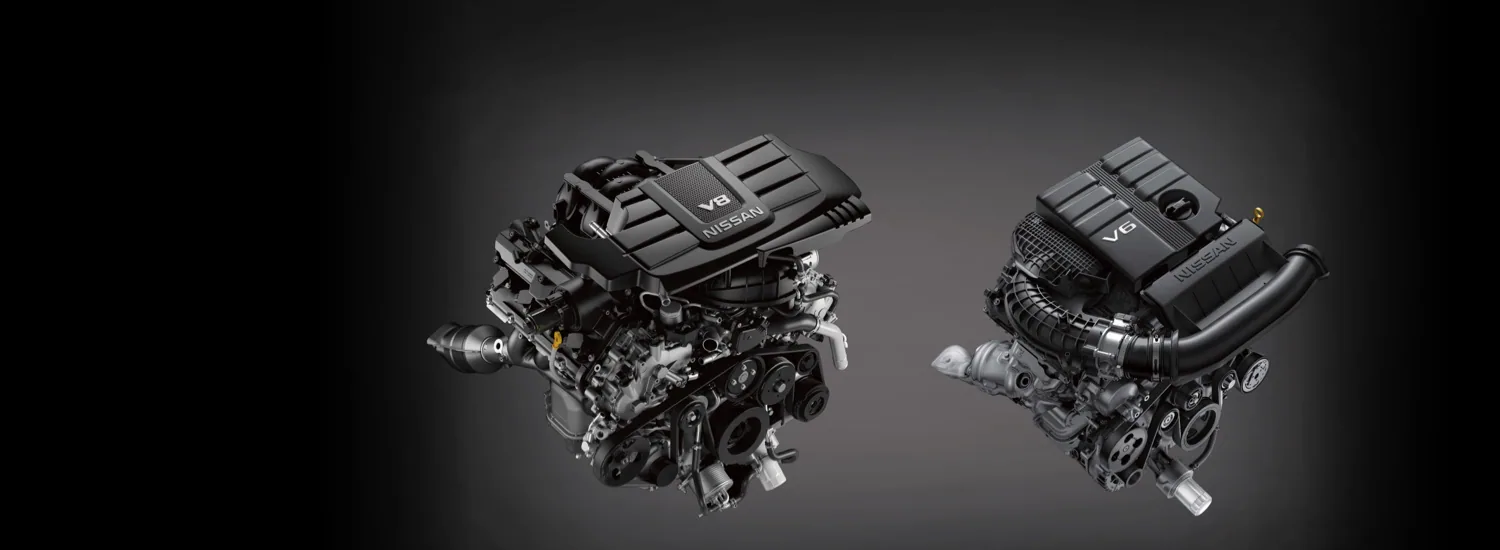
What You're Actually Paying
Take a BMW V8 and V6 as an example. The V8 needs 9 quarts of oil, the V6 needs 6.5. Synthetic oil costs about $9 a quart. Two oil changes a year means spending an extra $45 each time. Over five years that adds up to $225.
Spark plugs run $5 to $25 each and last 80,000 to 100,000 miles. The V8 needs two extra plugs, so that's $10 to $50 more every several years.
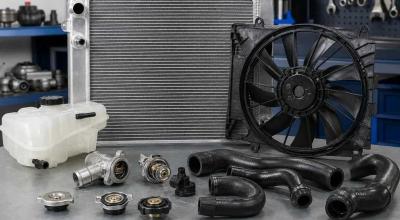
Coolant capacity on the V8 is about 2 quarts higher. Flushing every couple years means paying an extra $20 or so each time. Over four years that's less than $50.
Nothing crazy.
V8s Sometimes Win
Ford F150 owners have been debating this online: Coyote V8 versus the 3.5 EcoBoost V6. The V8 crowd says their engines cost less to maintain because there are no turbos to worry about. One owner said it straight up: turbos are a hassle.
Engine Crux looked at the numbers and found the Coyote V8 costs about $100 to $200 less to maintain than the turbo V6. Naturally aspirated engines are just simpler.
When big repairs come up though, V8s can get expensive. Bigger parts cost more. An engine rebuild on a V8 isn't cheap. And if it's a turbocharged performance V8 from someone like Ferrari, costs go through the roof.
Turbos run hot and can fail, but plenty of turbocharged engines are solid if maintained properly. It depends on the specific engine and how well it was built. Cylinder count is just one factor among many.