The Toyota RAV4 Didn’t Make JD Power’s Dependability List, and the Reason Is Less Dramatic Than People Think
by AutoExpert | 3 July, 2026
When a Toyota is missing from a dependability ranking, people notice. And when that Toyota is the RAV4, people really notice.
Because the RAV4 is not some forgotten niche model hiding in the back corner of the lineup. It is one of Toyota’s biggest hits, one of the most visible vehicles on the road, and exactly the kind of name people expect to see whenever reliability scores start getting passed around online like gospel. So when JD Power’s latest dependability list showed plenty of Toyotas and Lexuses, but no RAV4, it was enough to make people wonder if something had gone wrong.
That would make for a much better scandal than the truth. The real reason the RAV4 is missing is a lot less exciting. It is too new.
That is it. That is the whole twist.
JD Power’s dependability study is not asking people how their brand-new vehicles are doing after a few months of ownership. It is built around older model-year vehicles that have actually had time to live a little, develop annoyances, collect miles, and show what daily use really looks like. So the 2026 RAV4 is not absent because it failed. It is absent because it has not been around long enough to qualify for the test in the first place.
That is a very different problem from being unreliable.
And to be fair, it is not even really a problem. It is just timing.
This is the part people tend to miss with dependability lists in general. They are not predictions. They are not vibes. They are not grading a car based on how trustworthy the badge feels. They are looking backward at vehicles that have had enough time on the road for owners to report real issues, minor and major alike. That means if a model is too fresh, redesigned too recently, or still early in its life cycle, it simply is not ready for that kind of score yet.
So the RAV4 is not sitting out because Toyota suddenly forgot how to build a dependable crossover.
If anything, the broader picture points the other way. Toyota is still doing what Toyota usually does in these rankings: showing up repeatedly, often annoyingly, with a bunch of segment wins and a brand reputation that remains stubbornly hard to kill. Lexus is right where you would expect it. Toyota itself is still near the top. Other Toyotas made the list just fine. That is not the profile of an automaker quietly falling apart.
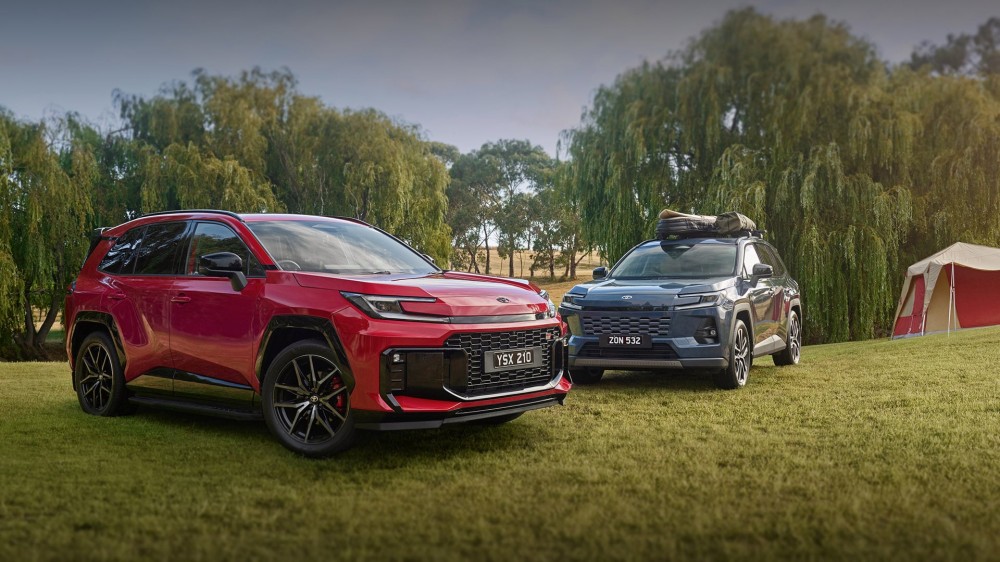
The RAV4 is just in the awkward stage where it is new enough to be interesting and too new to be fully judged.
That said, “too new” is not the same thing as “guaranteed great.” It just means nobody serious can stamp it with a long-term dependability medal yet. A new generation always comes with a little uncertainty, even when it belongs to a brand with Toyota’s track record. Fresh software, revised tech, updated packaging, new calibration decisions, all the little things that can feel smooth in a launch event and slightly less smooth after thousands of normal people start using them every day.
That is what the waiting period is for.
The current RAV4 is not exactly jumping into the unknown, though. That is part of what makes the whole panic a little overblown. Toyota did not reinvent physics here. The latest RAV4 leans heavily on proven hybrid hardware and familiar Toyota logic, which is probably one reason a lot of people are still comfortable assuming it will age well. Not because assumptions are facts, but because Toyota’s assumptions tend to have better odds than most.
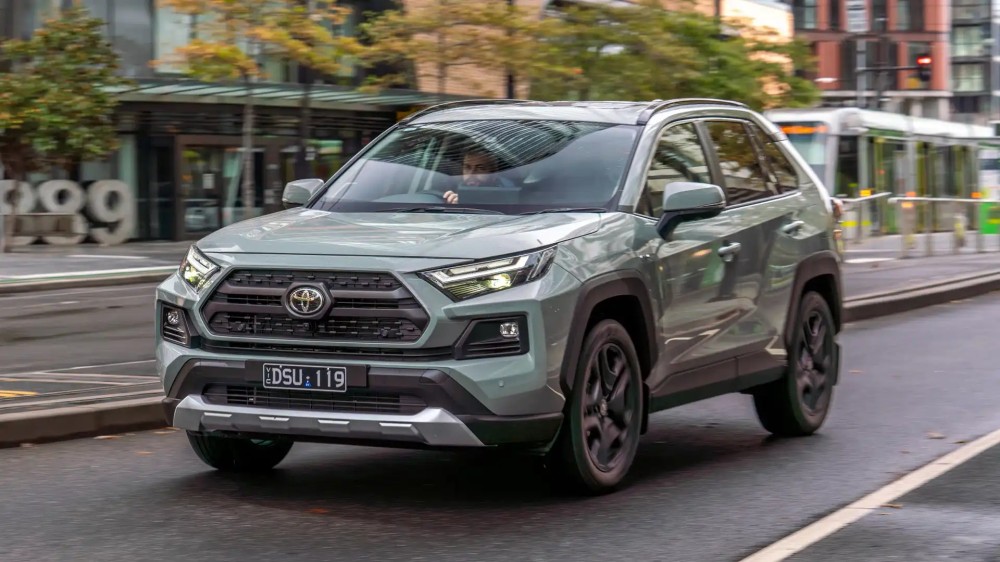
And that matters, because reliability discussions often get very emotional very quickly.
People hear “not on the list” and assume that means “something must be wrong.” But absence does not always mean failure. Sometimes it just means the model has not had enough time to prove anything yet, good or bad. That is a much less dramatic answer, which is probably why it spreads less efficiently than panic.
Still, it is worth remembering that Toyota is not perfect, even if people sometimes talk about it like it is. The brand has had misses. Real ones. Some model years have been much messier than the legend suggests. That does not erase Toyota’s overall reputation, but it does serve as a useful reminder that no automaker is immune from getting something wrong now and then. Reliability is a pattern, not a miracle.
So if you were hoping the missing RAV4 meant some hidden disaster had been uncovered, there really is not much to see here.
The most likely explanation is the boring one: the vehicle simply has not spent enough time in the real world yet to be judged by the same standard as older entries. That is why it is not on the list. Not because it failed, but because it has not officially entered the conversation.
Yet.
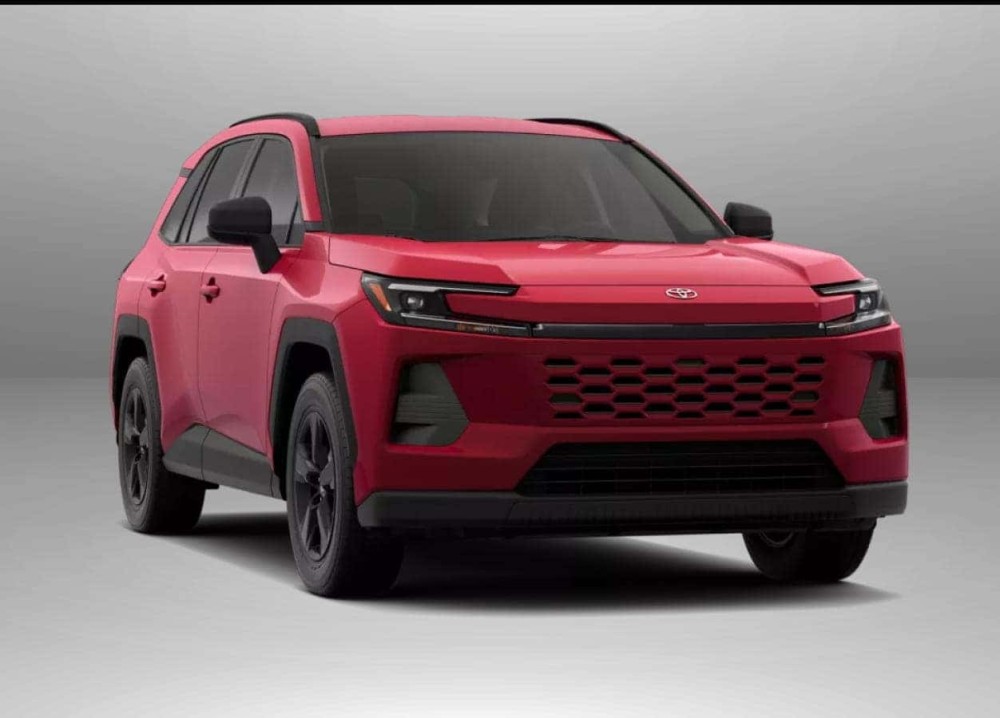
And honestly, that is probably the fairest answer anyway.
A vehicle should not get crowned dependable just because people expect it to be. It should earn that reputation the same way everything else does, by surviving years of ordinary use without giving owners too many reasons to swear at it. Toyota has done that often enough that people are willing to give the RAV4 the benefit of the doubt for now.
But for the moment, that is all it is.
Benefit of the doubt.
Not a warning sign. Not a scandal. Just a very popular SUV waiting its turn.