Stellantis Removed the Driver, Windshield and Dashboard — What’s Left Is a Box on Wheels
by AutoExpert | 16 September, 2026
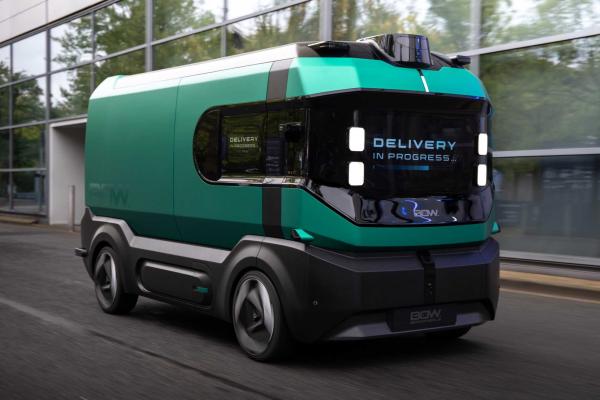
What do you get when you remove almost everything a normal delivery van needs? Stellantis has an answer: a box on wheels with no driver, no cab, no windshield, and no dashboard.
The company calls it BOW, short for “Box On Wheels,” and the name pretty much tells you what you’re looking at. Stellantis unveiled the fully electric autonomous delivery concept at IAA Transportation in Hanover, Germany, where it also demonstrated the vehicle outside its stand.
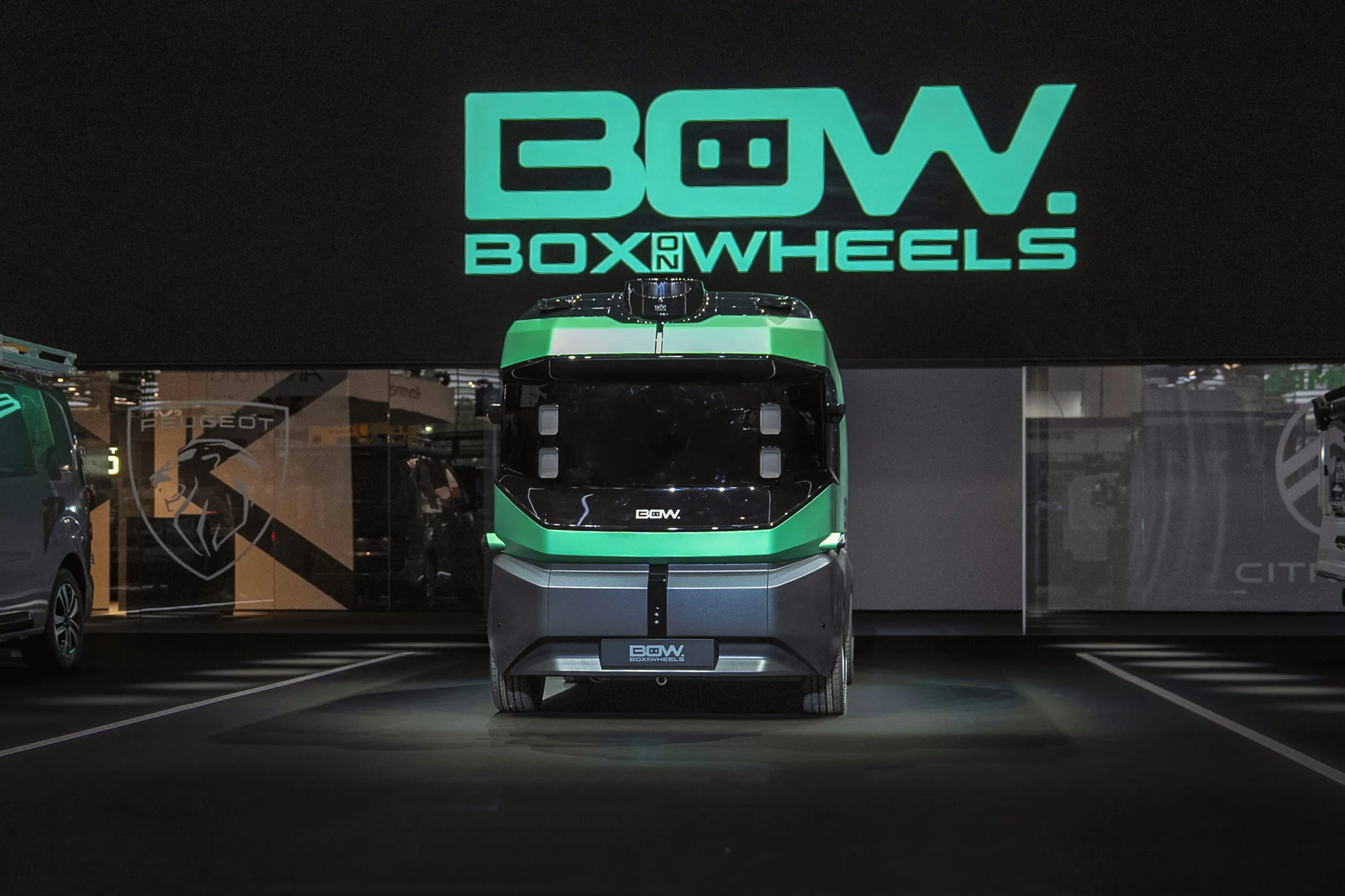
The company developed BOW with UQI Robotics to explore how driverless delivery could work in cities, low-emission zones, and controlled locations such as factories, hospitals, and airports.
The logic behind BOW is simple. A traditional delivery van has to dedicate a large part of its space to the person behind the wheel and all the equipment needed to operate the vehicle safely. Remove the human driver, and that space can go toward carrying packages instead. Stellantis also sees BOW working as part of a connected fleet, where vehicles could handle deliveries without needing someone in the cabin.
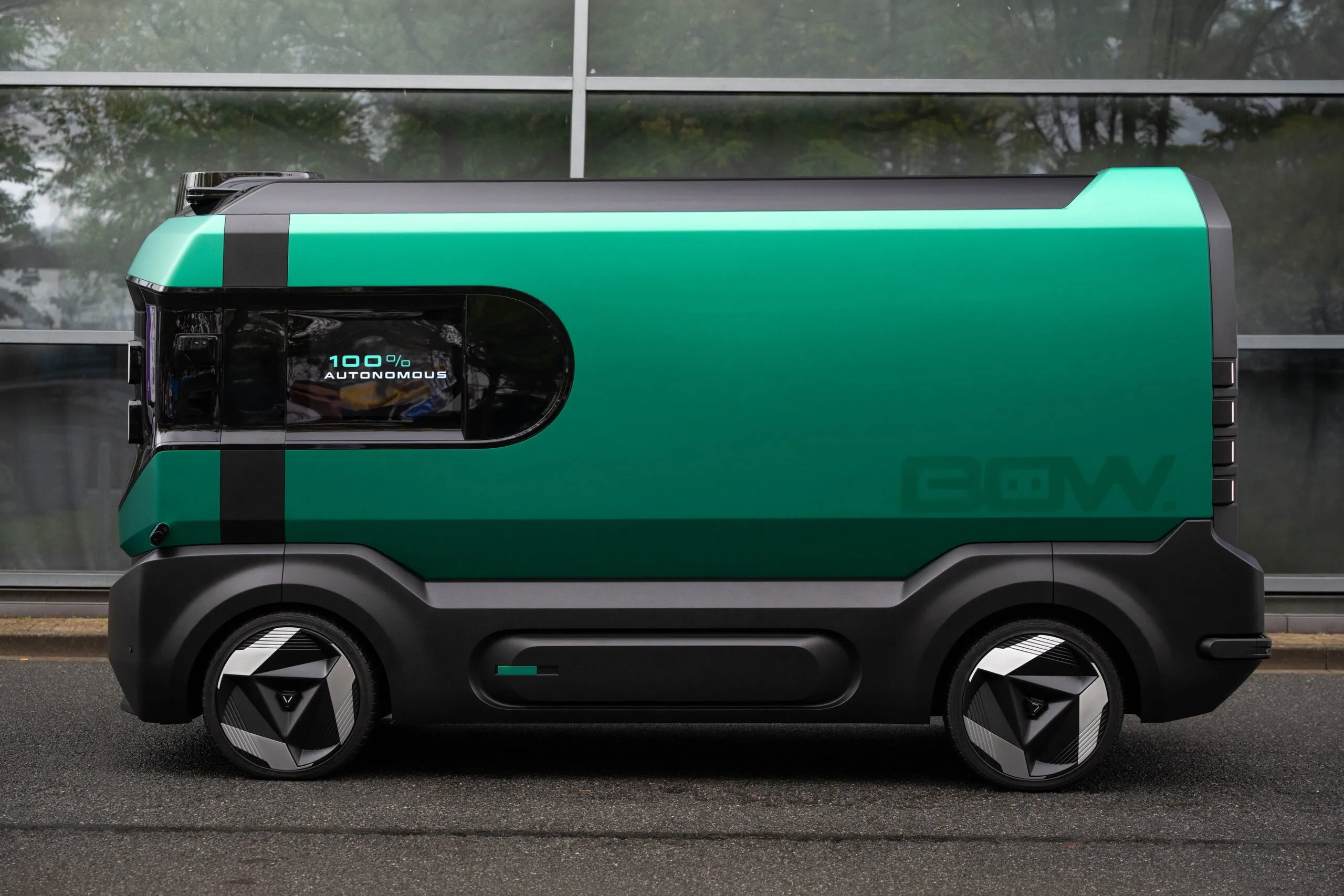
There is one fairly large problem with the concept right now: Stellantis hasn't said much about how it actually works. The company hasn't revealed the battery size, driving range, payload, motor output, sensor setup, or autonomy level. There is also no price, production plan, or launch customer. Stellantis says it will begin initial validation activities in Europe, but anything beyond that remains unclear.
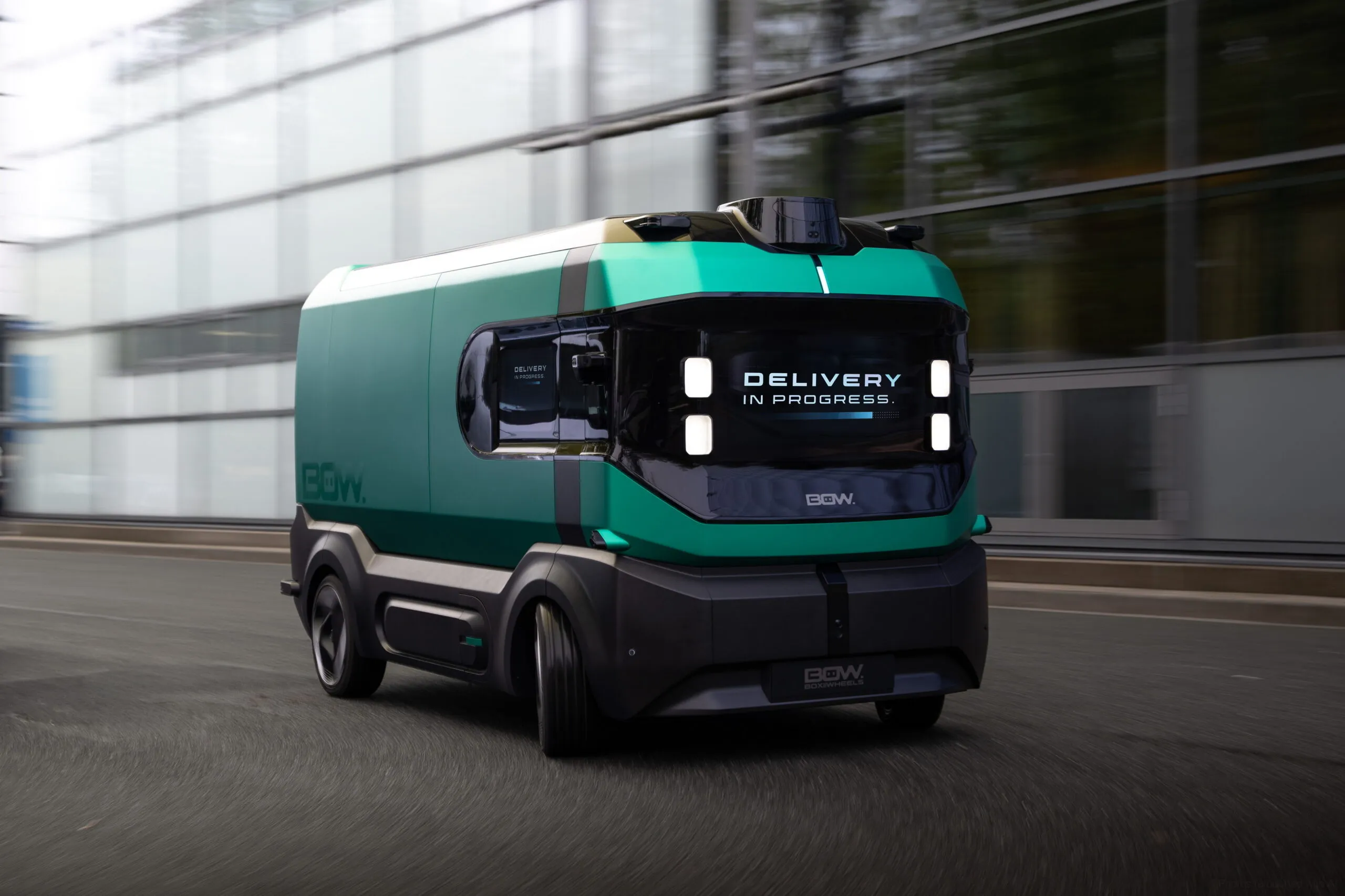
The basic idea isn't completely new. Small autonomous delivery robots already operate on sidewalks in some cities, carrying food and other goods to customers. BOW takes the same idea and gives it a much larger body, but Stellantis still needs to show how a vehicle like this would safely handle public roads and real-world traffic.
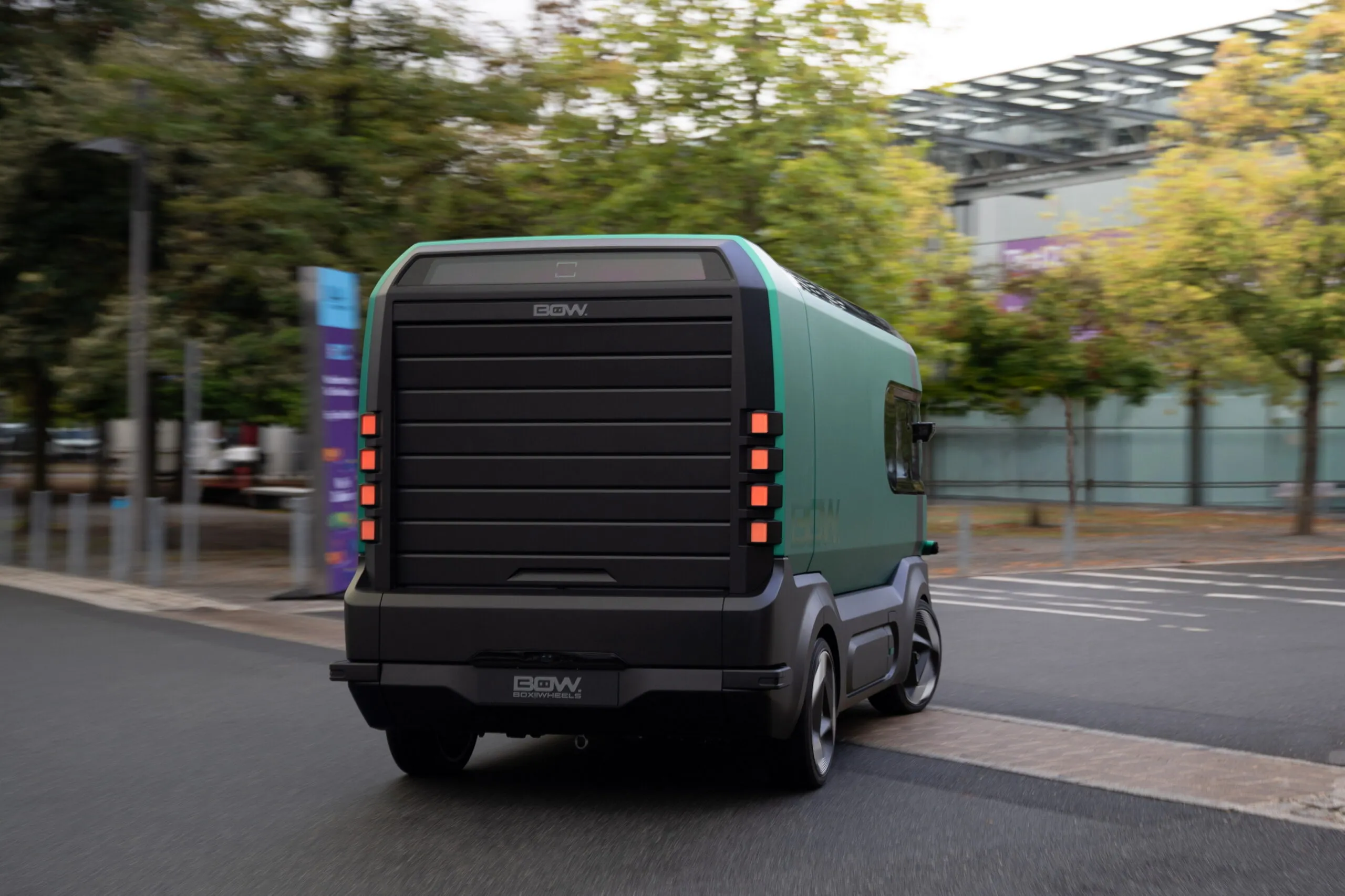
BOW is still a concept, but Stellantis plans to start testing the idea in Europe. For now, the company has not said if or when it could become a production vehicle.