
Audi Is Finally Building Cars In America After A $1.4 Billion Tariff Bill
by AutoExpert | 26 October, 2026
Audi has been selling cars in the U.S. for years, but every vehicle has come from a factory somewhere else. That could change soon. The German automaker plans to spend around $4 billion on its first American factory, choosing Georgia as the site for a new plant that could start building SUVs in the early 2030s. A major reason for the move? Import tariffs are getting expensive.
Audi says tariffs cost it around $1.4 billion last year alone. Unlike BMW and Mercedes-Benz, which already build vehicles in the U.S., Audi has had to import the cars it sells to American customers. Setting up local production won’t happen overnight, but the company clearly wants to reduce its reliance on overseas factories and give its business in the U.S. more room to grow.
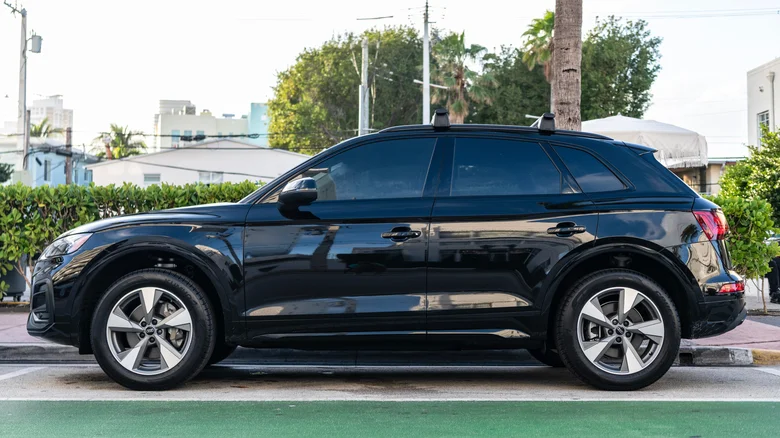
The new plant will sit at the Middle Georgia Mega Site and is expected to produce up to 200,000 vehicles annually. Construction is scheduled to begin next year, with around 4,500 jobs expected to come with the project. Local suppliers and other businesses should also benefit. Audi plans to build premium SUVs there, although it hasn’t officially named the models. Reuters reports that the Q7, Q8, and upcoming Q9 could be among them.
Audi chairman Gernot Döllner says the company wants to do more than simply open a factory. The U.S. is one of the biggest markets for premium cars, and Audi believes it has plenty of room to expand. The new facility will also help North America become a third major production base for the brand, alongside Europe and China.
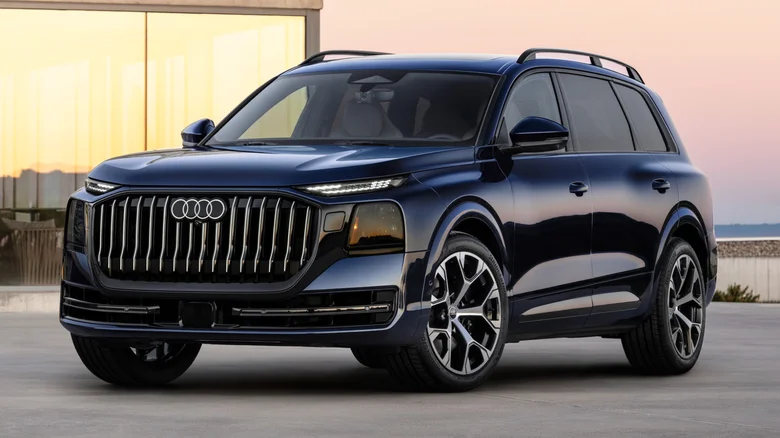
The timing makes sense when you look at the competition. BMW already builds vehicles in South Carolina, while Mercedes-Benz has a major operation in Alabama, producing popular SUVs such as the GLE and GLS. Both brands have established manufacturing networks that Audi currently lacks in the U.S.
Audi says the new factory will use modern equipment and more flexible ways of building cars. The big question is whether making vehicles in the U.S. will save enough money on tariffs to make the $4 billion investment worthwhile.