Solar Roadways Explained: Why Power-Generating Roads Failed in the Real World
by AutoExpert | 16 February, 2026
Remember those viral videos about roads that generate electricity while you drive? Roads with glowing LED lights and surfaces that melt snow automatically? That was solar roadways, and back in 2014 it seemed like the future. Spoiler: it wasn't.
The idea was pretty straightforward. Instead of building solar farms somewhere out in the desert, why not just stick solar panels in the roads we already have? They'd handle traffic and generate power at the same time. People went nuts for it.
Solar Roadways Inc. put out this video called "Solar FREAKIN' Roadways!" that racked up over 22 million views. They raised $2.2 million on crowdfunding. The company said their panels could do basically everything. Generate tons of clean energy. Replace painted lines with programmable LEDs. Melt ice. Even charge electric cars wirelessly while you're driving.
French company Colas got in on it. Chinese companies too. Dutch companies. Everyone thought they were about to change the world.
Big Talk
Solar Roadways Inc. did the math and said if you covered all U.S. roads with their panels, you'd generate three times the electricity the entire country uses in a year. With 4 million miles of roads out there, even crappy efficiency would supposedly produce absurd amounts of power.
The benefits list went on forever. Renewable energy using infrastructure that's already there. Safer roads with smart LED warnings. No more plowing snow. Sell electricity back to the grid and make money.
The Federal Highway Administration liked it enough to throw over $850,000 in research grants at Solar Roadways. They got contracts for demo projects. Most of those never materialized.
Reality Check
When people actually tried building these things, it went bad fast.
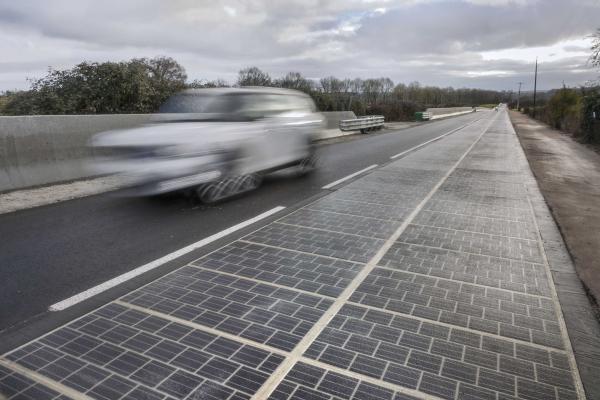
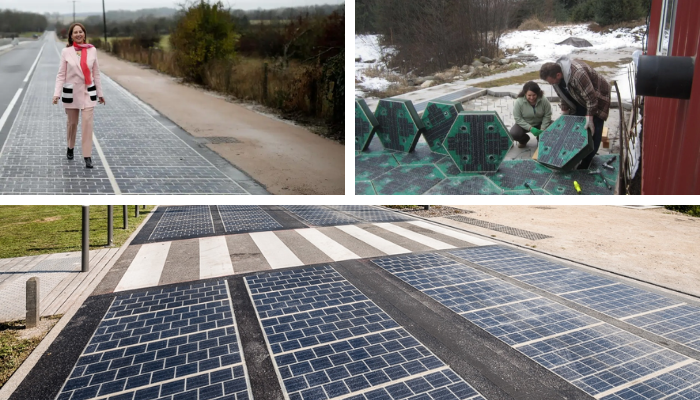
France put in the world's first big solar roadway in December 2016. Just over half a mile in Normandy. Cost $5.2 million. They said it would generate 300,000 kWh a year to power street lights in a nearby town.
It generated 80,000 kWh. That's 73% less than promised. The surface started crumbling from traffic and weather. The panels were so loud they had to lower the speed limit to 43 mph. Less than two years in, they had to rip out almost 10% of it because heavy trucks destroyed it. By 2019 the whole thing was scrapped. WattWay's CEO basically admitted it didn't work.
China built one in Jinan in 2017. About the same length. Supposed to power 800 homes. Five days after it opened, somebody stole a bunch of the panels. Officials never said how much power it made. Nobody knows if it's even still there.
The U.S. has one tiny solar road in Georgia. Opened in 2020. It's a skinny strip in some test lane for self-driving cars.
Solar Roadways Inc. built exactly one thing: a 150-square-foot sidewalk in Idaho. It caught fire right after they installed it. The LED lights were invisible in daylight. Snow didn't melt. They shut it down in 2018.
Why It Fails
Solar panels need to angle toward the sun. Road panels just lie there flat, so you lose 30-40% efficiency immediately. Cars driving over them create shadows that tank the output even more. A little bit of shade can cut efficiency in half. Plus there's dirt, leaves, oil, all that road gunk blocking the light.
You need a surface tough enough to handle massive trucks but clear enough to let light through to the solar cells. That material doesn't exist. Thick glass can take the weight but blocks light. Clear materials let light through but get crushed.
Road panels also get no airflow, so they overheat. Hot solar panels lose efficiency. About half a percent for every degree above optimal.
The Math Is Brutal
Solar roadways cost 10 to 20 times more than regular solar per kilowatt and generate way less power.
Solar roadways: $15,000 to $30,000 per kilowatt. Regular utility solar: $1,000 to $1,500. Rooftop solar on your house: $2,500 to $4,000.
That Idaho sidewalk ran $60,000 for 1.5 kilowatts. That's about $39,240 per kilowatt. You could get the same capacity in regular solar for maybe $4,000.
Oh, and the LED lights in the panels would use up over a quarter of the power they generate. Fixing them costs a fortune too because you need specialized gear and have to shut down traffic.
Just Use Regular Solar
Normal solar panels get 15-22% efficiency. Solar roadways limp along at 5-10%.
You can stick regular panels on roofs, empty land, wherever. Solar roadways mean tearing up perfectly good roads. Rooftop solar doesn't even use extra space.
Regular panels are easy to clean and fix. Road panels? You're blocking traffic and bringing in a whole crew with special equipment.
Regular solar costs have crashed. Utility solar is down 80% over the last decade. Home solar is down 60%. Solar roadway costs are still insane.
A typical home solar setup pays for itself in 6 to 10 years and then keeps saving you money for decades. Solar roadways have never paid for themselves. Period.
Still Trying
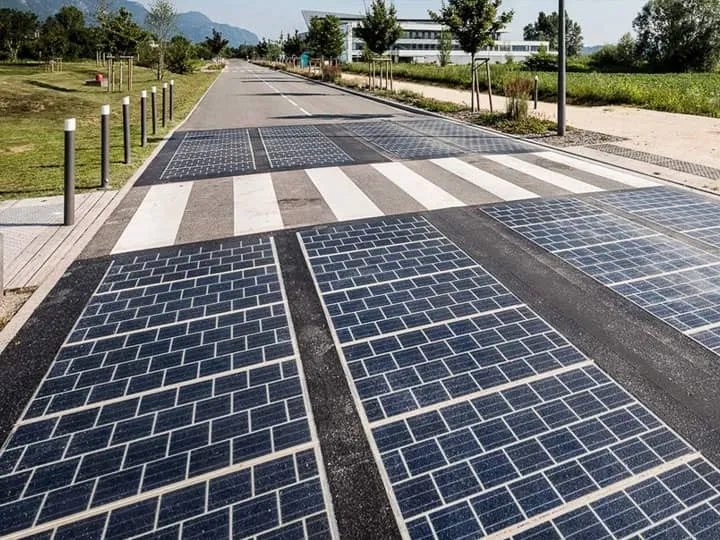
Some companies are still messing with it. Maybe parking lots where cars aren't beating the crap out of it constantly. Airport taxiways with only certain vehicles. Bike paths.
But the basic problems are still there. Solar panels work when they're positioned right and nothing's blocking them. Can't do that on a road.
The better idea is just putting regular panels next to highways instead of in them. Highways have tons of unused land along the sides. Slap some solar canopies over parking lots or build small solar farms next to the road. You get the electricity without all the headaches.
Solar roadways would need some kind of miracle breakthrough to compete with boring old rooftop solar. Until that happens, power-generating highways are staying in the "sounded cool on paper" category.
Bottom line? Not every innovative idea works out. Sometimes the simple answer is the right one.