Signs Your Diesel Truck’s Intake Manifold Is Clogged With Carbon

by AutoExpert | 8 February, 2026
Diesel trucks get beat on. They haul stuff, tow trailers, rack up crazy miles doing actual work. The engines are built like tanks and make ridiculous torque, which is why they're the go-to for serious truck buyers. But with all those miles comes maintenance, and there's one job almost nobody does: cleaning the intake manifold.
Your service schedule won't mention it. Your dealership probably won't bring it up. But carbon and soot slowly coat the inside of your intake, choking off airflow and wrecking performance. Here's how to tell when yours needs help.
Blame the EGR Valve
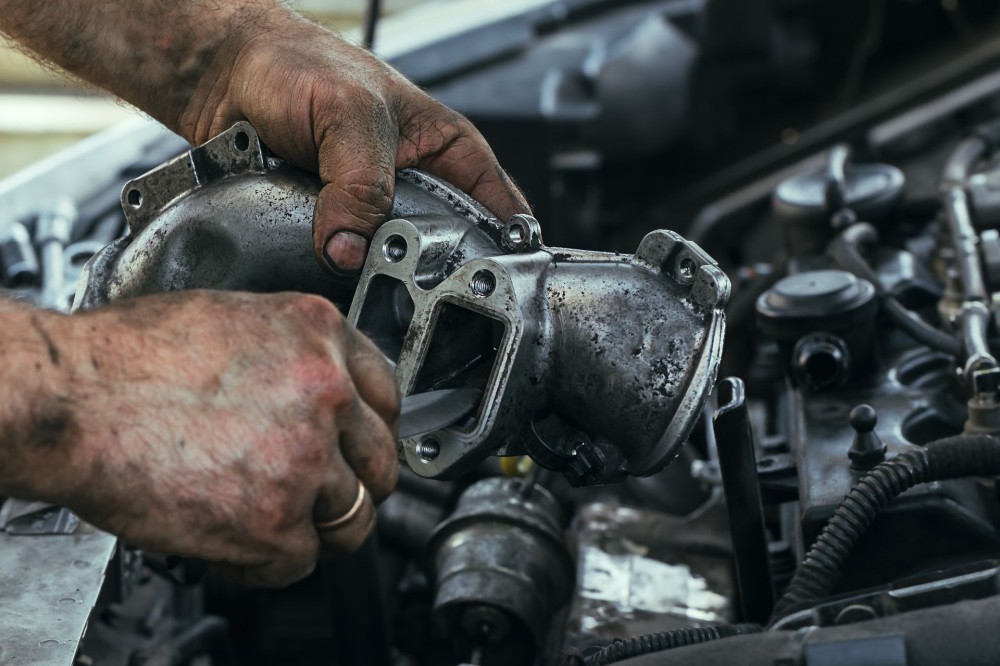
Modern diesels have an EGR valve to meet emissions rules. It takes exhaust gas and feeds it back into the engine through the intake manifold. Cuts down on pollution, can even help fuel economy a little.
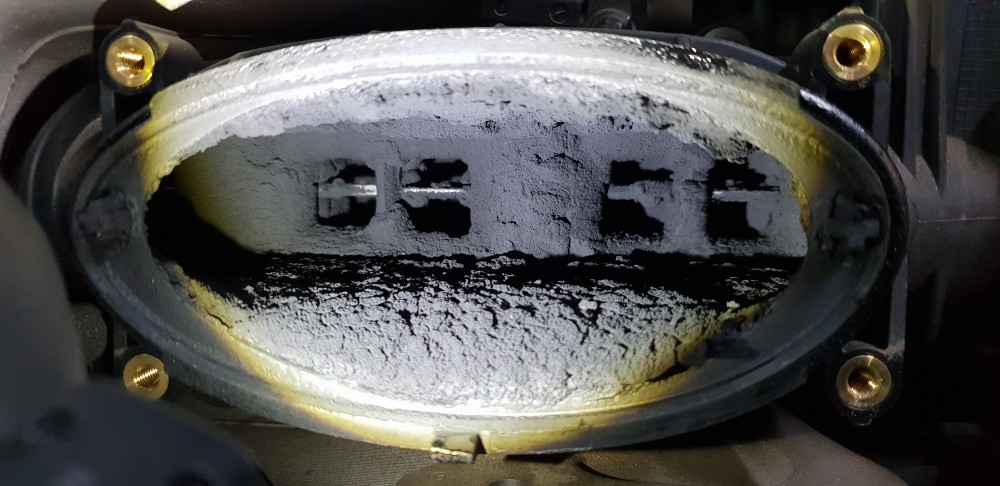
Problem is, exhaust gas brings carbon and soot along for the ride. Over time, the inside of your intake gets coated with this black greasy buildup. Restricts airflow. Less air means worse performance.
You don't need to rip the intake off constantly to check it. Just watch for two things.
Your Truck Feels Like Garbage
The intake feeds air to your engine. When it's caked with carbon, air can't flow right. Suddenly your truck feels slow. Getting up to highway speed takes forever. Acceleration feels like you're towing something heavy even when the bed's empty.
Yeah, lots of things can cause this. But if you've got no check engine lights and nothing else seems wrong, a gunked-up intake could be your problem.
Another giveaway is a rough idle. Engine can't pull in enough clean air, so it shakes and stumbles while sitting still. Pretty obvious sign something's blocking airflow.
Cleaning it usually isn't too complicated, just takes time. Sometimes buying a new intake is cheaper than cleaning the old crusty one. You're probably looking at doing this every 30,000 to 45,000 miles or so. Not an every-oil-change thing.
Your Fuel Economy Goes to Hell
Diesel owners put serious highway miles on their trucks, so when fuel economy drops, it's noticeable. A clogged intake doesn't directly burn more fuel, but here's what happens: truck feels weak, so you start mashing the throttle harder just to merge onto the freeway or pass someone.
Next thing you know, you're at the pump way more often. Monthly fuel bill keeps climbing. Diesel's already pricier than gas, so that really hurts.
If you're filling up more than usual and can't figure out why, think about when you last cleaned the intake. There are different ways to do it. Some don't require pulling it off, but if you want to see all that nasty buildup with your own eyes and make sure it's actually clean, you gotta remove it.
Once it's done, you'll feel the difference immediately. Idle smooths out, power comes back, fuel economy improves. Might take a few drives to stop stomping the gas out of habit though.
Look, if your high-mileage diesel feels weak or you're suddenly burning through way more fuel, check the intake manifold. It's one of those things nobody thinks about until their truck drives like crap.