
Self-Driving Cars Are Running Real Routes in Real Cities Now — And the Safety Numbers Are Surprising
by AutoExpert | 15 June, 2026
For a long time, self-driving cars felt like one of those technologies that was always five years away. There was a lot of demo footage, a lot of press releases, a lot of "the future is here" energy that didn't quite match what was actually happening on public roads. So it's worth pausing on what's actually happening right now, because the situation has changed more than most people realize.
Autonomous vehicle pilots are operating in actual cities with actual passengers. Not closed test tracks. Not parking lot demos. Real intersections, real traffic, real people getting in and going somewhere.
Where They're Actually Running
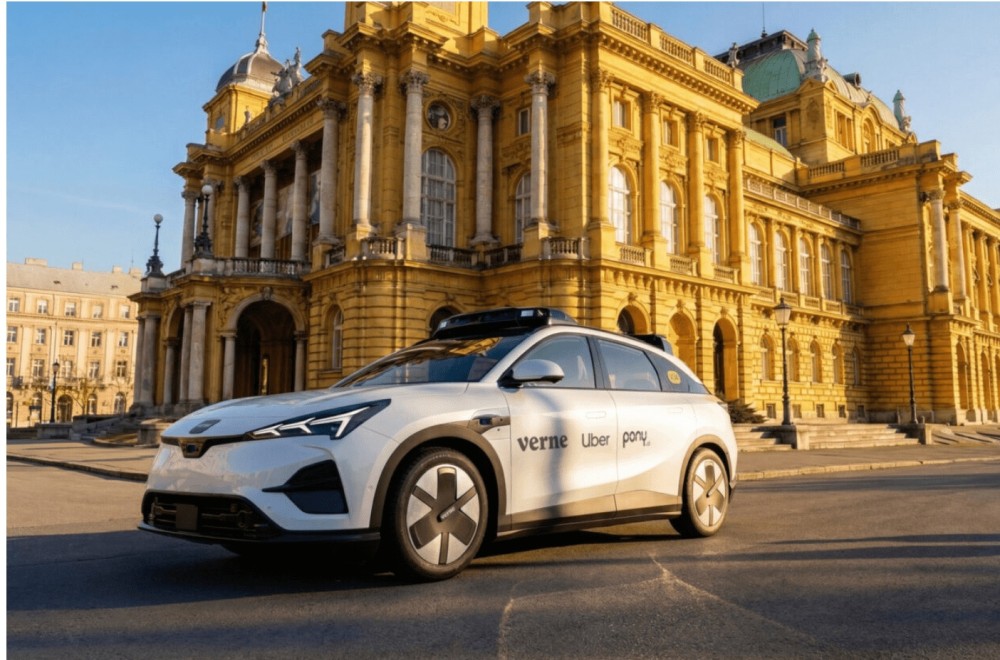
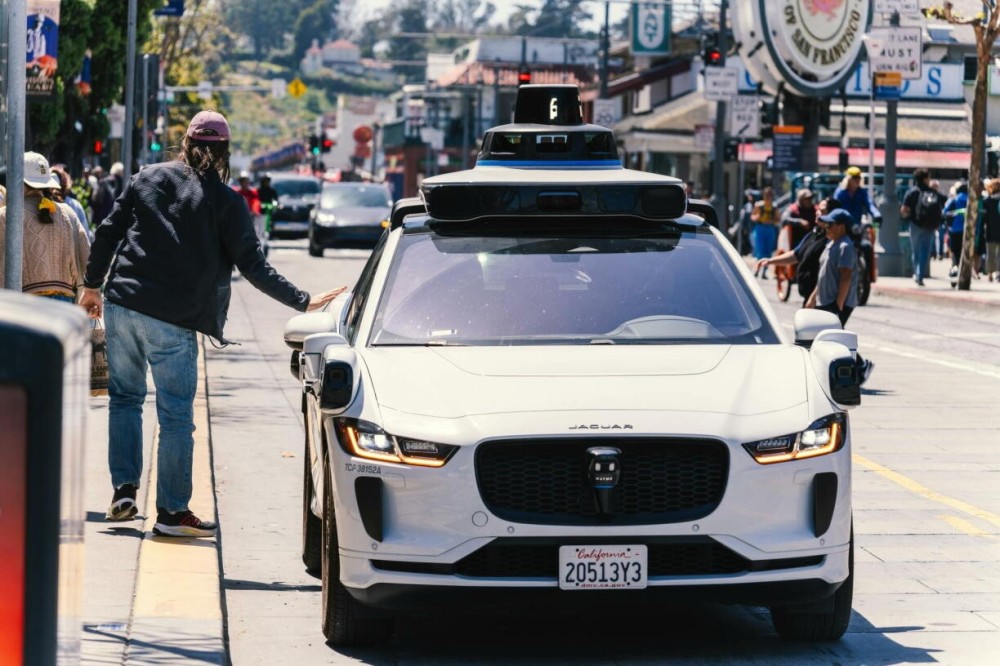
In Luxembourg, a partnership between Bolt, Pony.ai, and Stellantis just launched a self-driving pilot project moving passengers through real urban routes. The EU has also announced commitments to large-scale cross-border testbeds for autonomous vehicles across member states. In the U.S., programs in cities like Phoenix and San Francisco have been running robotaxi services for a couple of years now, with Waymo logging millions of miles of driverless trips.
The scale matters. We're not talking about a few cars making laps around a campus anymore.
What the Early Data Actually Shows
This is where it gets genuinely interesting, and also where you have to read carefully because the data is messier than either side wants to admit.
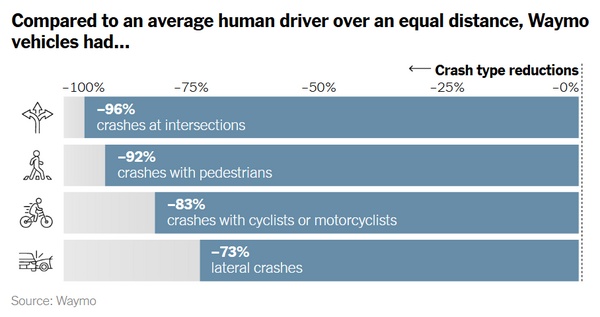
Waymo's published safety data shows its vehicles are involved in significantly fewer injury-causing crashes than human drivers over comparable miles. One study found Waymo vehicles had about 73% fewer injury crashes than human-driven cars in similar conditions. That's a real number and it's hard to dismiss.
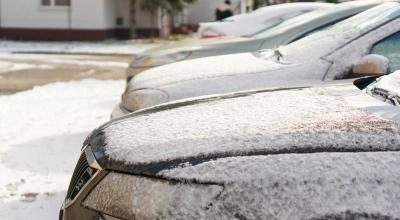
But the comparison has limits. Autonomous vehicles tend to operate in areas with good road markings, decent weather, and mapped environments. They don't do school runs in rural Pennsylvania in a February ice storm. The conditions where they're tested are, more or less, the conditions where they perform best. That's not cheating exactly, but it's not the full picture either.
There's also the category of incidents that are hard to classify. Weird edge cases where the car did something technically safe but bizarre. Phantom braking. Pulling over unexpectedly. Interactions with cyclists and pedestrians that went fine but made everyone involved uncomfortable. These don't always show up in injury statistics but they're part of the real-world picture.
What Drivers Actually Think
Public trust in autonomous vehicles is improving but slowly. A lot of people say they'd be fine riding in one if they had no other choice, but wouldn't actively choose it. That instinct isn't irrational. When a human driver makes a mistake, there's usually a moment of correction, of adapting to the situation. When an autonomous system hits an edge case it wasn't trained for, the response can be abrupt in ways that feel wrong even when the outcome is safe.
That said, human drivers are objectively terrible in ways we've all just accepted. 40,000 people die in U.S. traffic crashes every year. Almost all of those are human error. If autonomous systems can consistently undercut that number at scale, the conversation about trust becomes a different one.
The Honest Answer
The technology works better than skeptics expected and falls short more often than advocates admit. The conditions matter enormously. A robotaxi in a mapped urban grid is a very different technology challenge than a personal vehicle navigating an unmarked rural road in bad weather.
What's actually happening right now is less "the robots are taking over driving" and more "we're running a very long, very expensive, very public experiment." The preliminary results are encouraging enough that it's going to keep going.
Whether you're excited or nervous about that probably says more about you than the technology.