

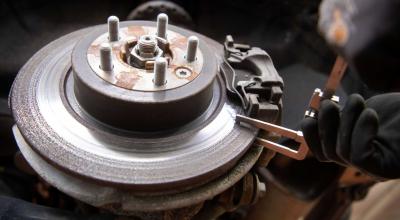
The usual explanation sounds perfectly logical. When a car slows down, its weight moves toward the front. The front tires carry more load, so the front brakes provide more of the stopping force. That
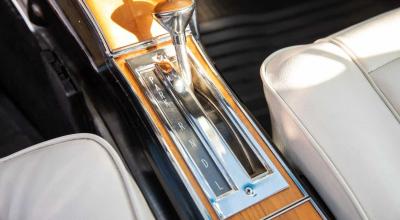
A driver can move between unfamiliar modern cars and still understand the transmission selector within seconds. Park sits at one end, followed by Reverse, Neutral and Drive. Lower ranges, manual modes
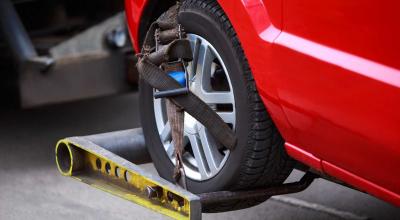
Neutral has a reassuring name. It sounds harmless, disconnected and mechanically impartial. Put the selector in N, release the parking brake and the car can roll. Surely that means it can also be towe
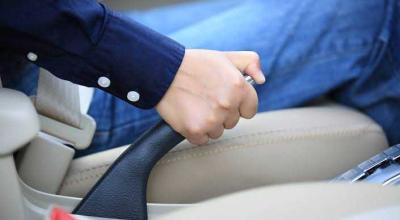
Park on a slope, move the shifter to P, take a foot off the brake, and most automatic cars will perform a small, familiar shuffle. The body rolls a fraction of an inch, stops with a muted clunk, then
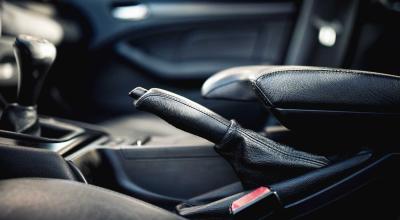
For decades, the parking brake was as simple as it gets: a metal lever (or a floor pedal) yanking on a pair of cables to keep the rear wheels locked in place. It didn’t matter if the car was a s