Where Did the Parking Brake Lever Go? Why New Cars Switched to Electronic Brakes
by AutoExpert | 20 November, 2025
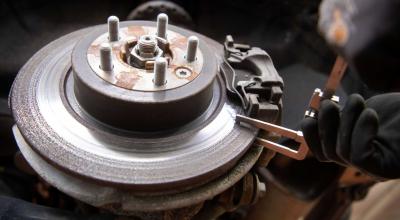
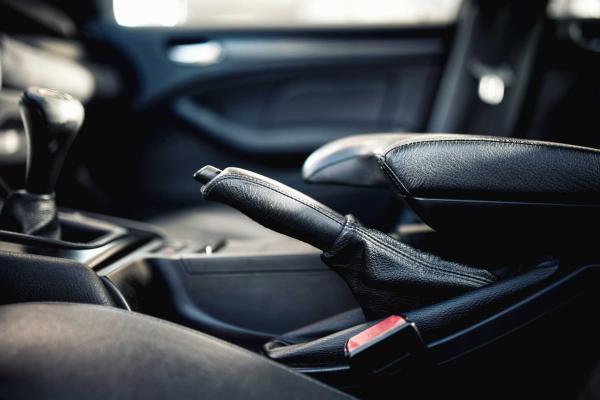
For decades, the parking brake was as simple as it gets: a metal lever (or a floor pedal) yanking on a pair of cables to keep the rear wheels locked in place. It didn’t matter if the car was a stick shift or an automatic — using that brake was just part of good driving habits.
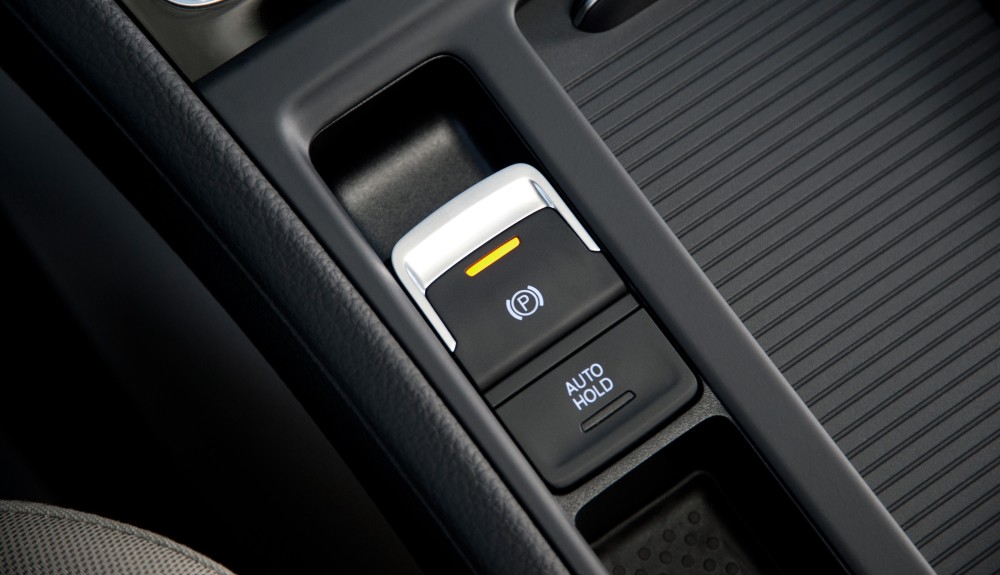
But over the last 20 years, that trusty lever has quietly disappeared from most new cars. In its place? A tiny switch that does all the work with a soft click. So what changed?
The shift started in the early 2000s
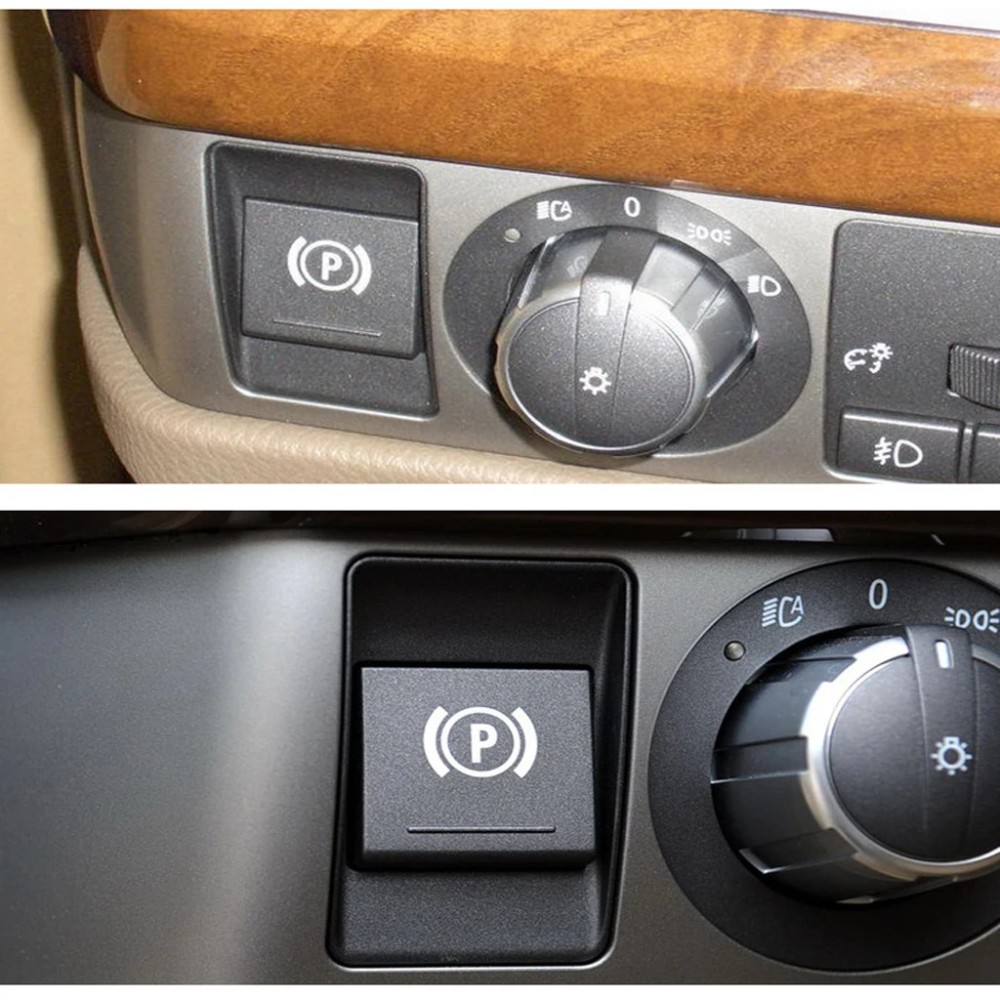
Electronic parking brakes showed up for the first time in the U.S. in the early 2000s, most famously in the 2001 BMW 7 Series. Instead of a cable-and-lever setup, BMW used a dashboard switch that sent a signal to a motor in the rear of the car. That motor handled the clamping force, whether the car was parked or slowing down in an emergency.
At first it seemed like fancy tech for luxury cars, but fast-forward to today and electronic parking brakes are everywhere — from SUVs to compact crossovers.
Why automakers love them
The switch to electronic brakes wasn’t just a design choice. Automakers gained a lot from ditching the old mechanical setup:
No more rusty cables
Traditional parking brakes can seize, stretch, or snap. Electronic actuators skip the cables entirely, so there’s less to corrode or wear out.More space inside the cabin
A small switch is a lot easier to package than a giant lever. Designers gained more freedom for big center consoles, cleaner dashboards, and bigger storage bins.
Fewer “oops” moments
Forgetting to set or release the parking brake is surprisingly common. Electronic systems can automatically apply or release themselves depending on conditions — no more driving off with the brake half-on.Built-in “auto hold”
On hills or stop-and-go traffic, auto hold keeps the car from rolling backward. Tap the accelerator and the brake releases on its own.
And yes — they're easier for drivers
Instead of pulling with brute force, drivers just flick a switch. That’s especially helpful for people with limited grip strength, or anyone who just appreciates convenience.