

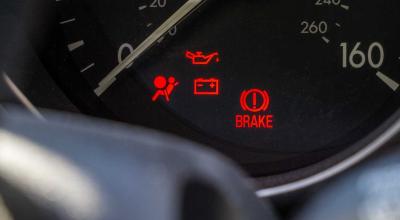
The parking brake has been released, but the red warning light remains on. The first reaction is usually to pull the lever again or press the parking-brake switch a few times. Perhaps the sensor
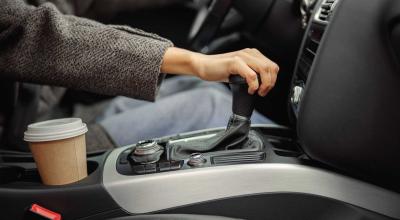
Shift an automatic car into Drive, release the brake and it begins moving without a touch of the accelerator. The movement is usually gentle. Just enough to edge forward in traffic, ease into a par
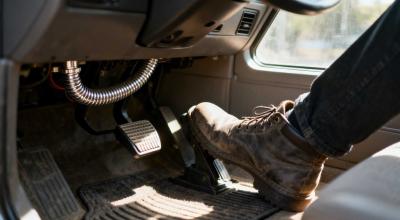
The engine is off. You push the brake pedal once, then again. Each push feels a little firmer than the last. After several presses, the pedal barely wants to move. That sensation can make it s
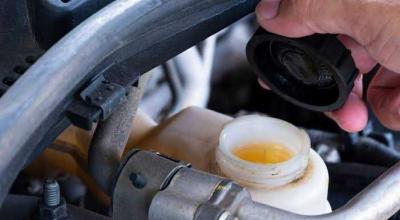
The reservoir under the hood is sitting close to the minimum line. There is a bottle of brake fluid on the shelf. The obvious response seems to be pouring in enough fluid to bring the level back to &l
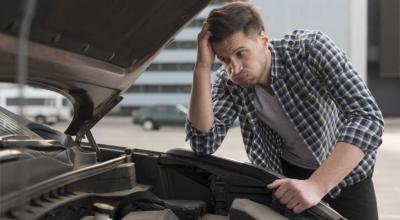
Most mechanics will tell you the same thing if they are being honest: a lot of the expensive repairs they see every week never had to happen. Not because people do not care about their cars. Usua
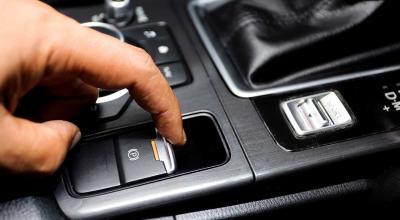
Switching from a stick to an automatic feels like a luxury — until the old habits from manual driving start sneaking back in. Automatics are easier to live with, but they’re also pickier a
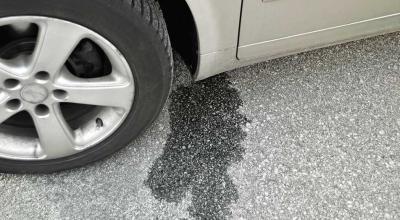
Everyone’s seen that car — the one leaving a mysterious dark puddle on the street. It’s gross, sure, but it’s also more than just a “ugh, who parked here?” moment.
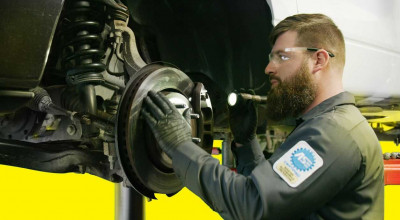
Ever seen a semi try to park and it goes PHSSSSS-SCREECH? That's air brakes. Here's why they're a whole different beast from your car: Your Car: Leaks = No Brakes Your brakes
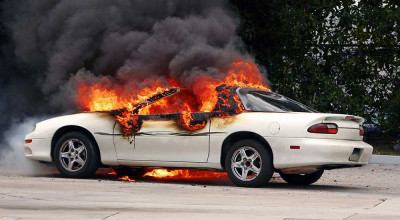
Okay, car fires are rare, but they're seriously bad news. Knowing what causes them can help you avoid that whole mess. Thing is, it's usually not ONE reason – it's a bunch of stuff g
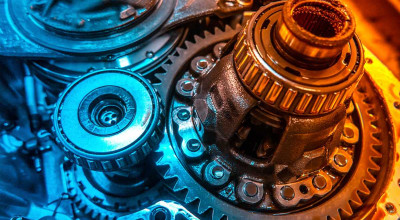
Car transmission: the thing that gets your car running and taking you where you need to be. It’s amazing, but, as with any machinery, it can have troubles. Let’s see how you can spot those