
5 Bad Habits That Ruin Automatic Transmissions (and How to Make Yours Last Longer)
by AutoExpert | 10 December, 2025
Switching from a stick to an automatic feels like a luxury — until the old habits from manual driving start sneaking back in. Automatics are easier to live with, but they’re also pickier about how they’re treated. And when something goes wrong, especially inside the transmission, the repair bill isn’t cute.
Here are five things drivers should stop doing if they want their automatic to last.

1. Driving With Two Feet
Most bad habits start here. Using both feet seems harmless until the moment something unexpected happens and the wrong foot hits the wrong pedal. In an automatic, pressing the brake and gas together usually forces the car to slam on the brakes — great for stopping, terrible if you weren’t ready for it.
One foot is all that’s needed. Gas and brake on the right foot; the left foot gets to retire early.

2. Coasting in Neutral
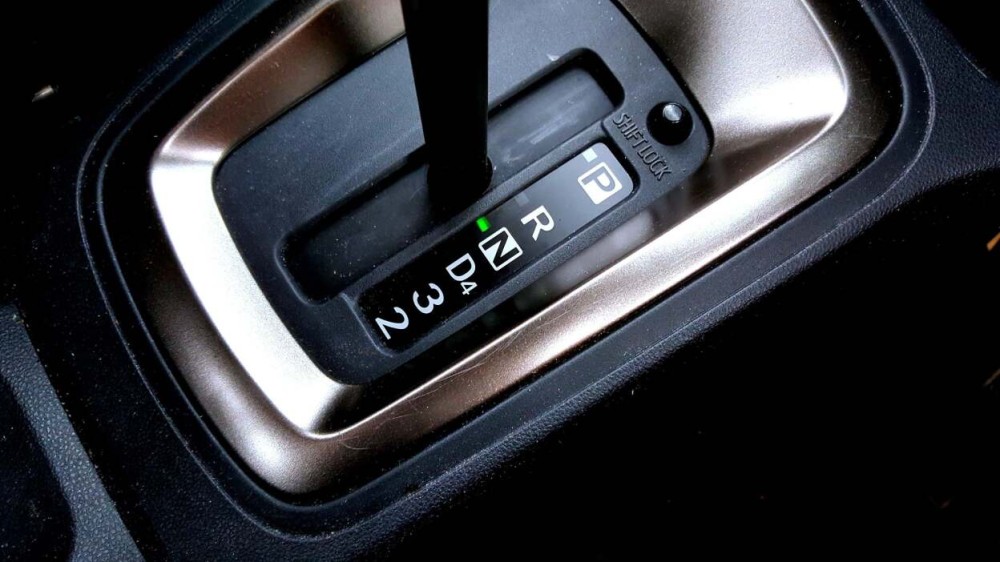
Coasting downhill in neutral feels like a clever way to save gas. It’s not.
In an automatic, dropping the car into neutral kills your control and forces the brakes to work overtime. If something jumps into your lane, you don’t have the instant response you need — plus the sudden braking can stress the transmission.
And despite the myth, neutral coasting doesn’t save fuel. Engines still spin, fluids still move, and parts wear faster without proper engagement. Not worth it.
3. Letting Water Into the Transmission
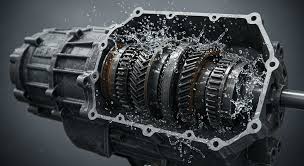
Automatic transmissions rely on a very specific fluid to move power from the engine to the wheels. When water sneaks in — during flooding, heavy rain, or even a slow leak — that fluid becomes contaminated, turning into something closer to a milkshake than a lubricant.
Once that happens, rust forms inside the transmission, and major components start deteriorating from the inside out. Translation: incredibly expensive repairs. Keeping water out is non-negotiable.
4. Hard Acceleration for No Reason
Flooring it from every stoplight might look cool, but it’s one of the fastest ways to punish an automatic transmission. Sudden, repeated bursts of torque strain everything from the torque converter to the final drive.
Even performance cars built for abuse feel it. Tires wear faster, engine components take unnecessary hits, and the transmission’s life shortens — sometimes dramatically. Save the hard launches for when you actually need them.

5. Ignoring Transmission Fluid Changes
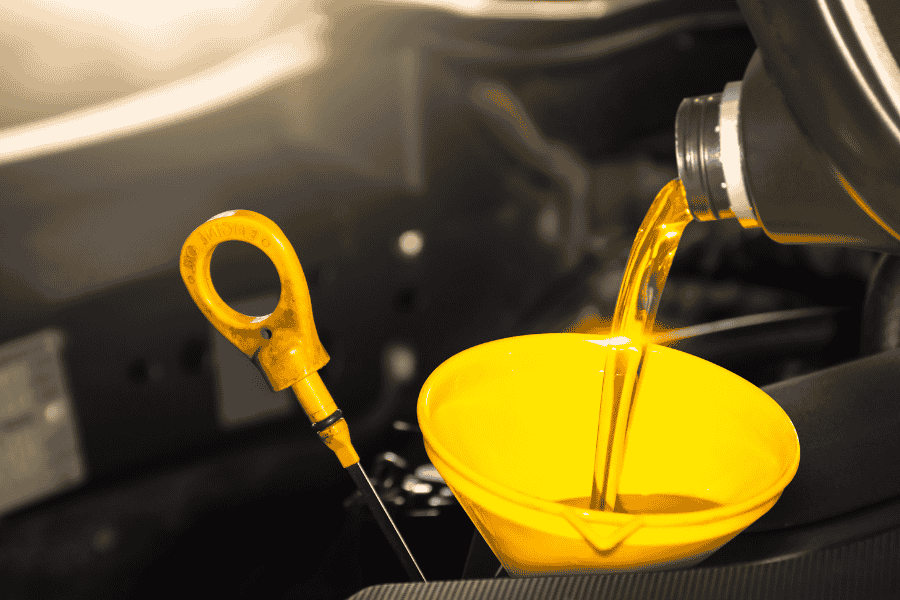
Transmission fluid doesn’t get the same hype as oil changes, but it’s doing just as much work behind the scenes. It cools, lubricates, seals, and protects some of the most expensive parts in your entire car.
Most automakers recommend changing it somewhere between 60,000 and 100,000 miles, depending on conditions. Signs you’re overdue include slipping gears, delayed acceleration, or odd grinding noises.
Topping off or doing a partial fluid swap can keep a worn transmission alive longer, but skipping maintenance altogether is practically begging for a four-figure repair bill.
Keeping an automatic healthy isn’t difficult — just different from caring for a stick-shift. A few small corrections can save years of life on the transmission and thousands of dollars down the road.