Stop the Drip: The Environmental and Safety Dangers of Car Fluid Leaks (Oil, Coolant, Brake Fluid)
by AutoExpert | 3 December, 2025
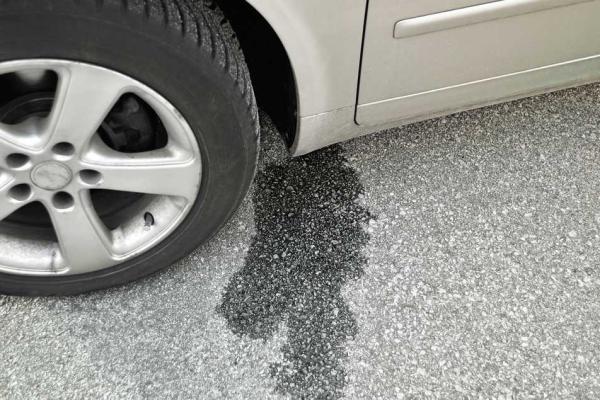
Everyone’s seen that car — the one leaving a mysterious dark puddle on the street. It’s gross, sure, but it’s also more than just a “ugh, who parked here?” moment. Those drips don’t stay put. They spread. They get on other people’s tires. Dogs walk through them. Kids splash in them. Basically, one person’s neglected car becomes everyone else’s problem.
And here’s the kicker: even a thin film of oil on a tire can make it slip on smooth pavement. So the person parked next to that leaky car? They’ve just inherited a safety hazard they never asked for. Pets and kids? Same deal — except they might actually put that stuff in their mouths. Coolant, for example, is sweet-smelling and toxic. Not a great combo.
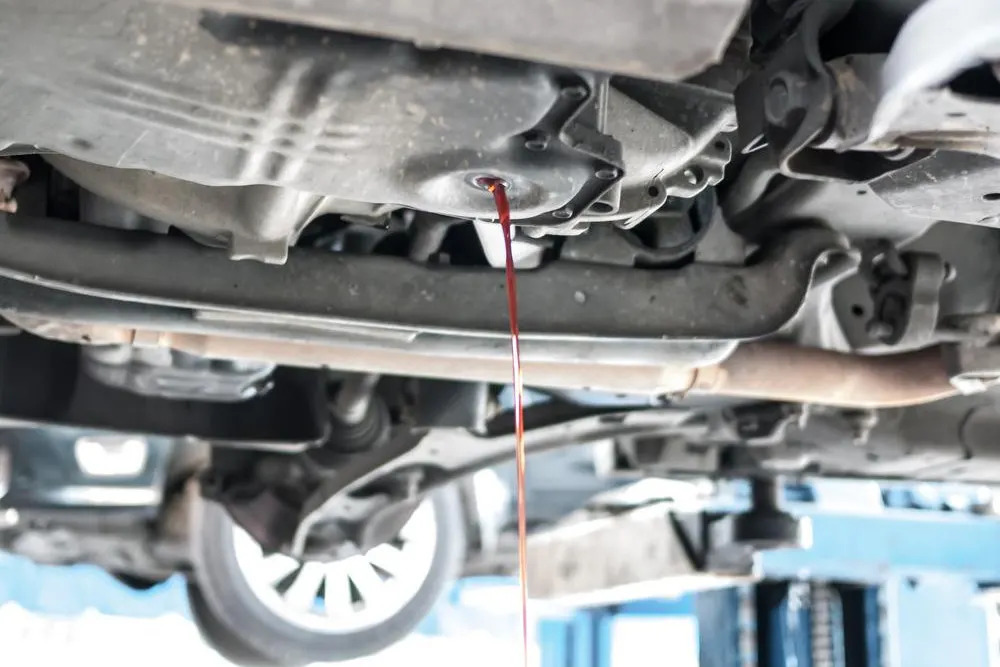
There’s also the fire risk. If oil is dripping near hot engine parts, that car can literally light up when it starts. Plus, leaks usually mean something inside the car is worn out or stressed — a gasket, a seal, a line. In other words, the car is one bad turn away from a breakdown that could involve everyone on the road, not just the owner.
Fixing the leak isn’t some environmental crusade. It’s basic responsibility.
Okay, but what’s actually leaking?
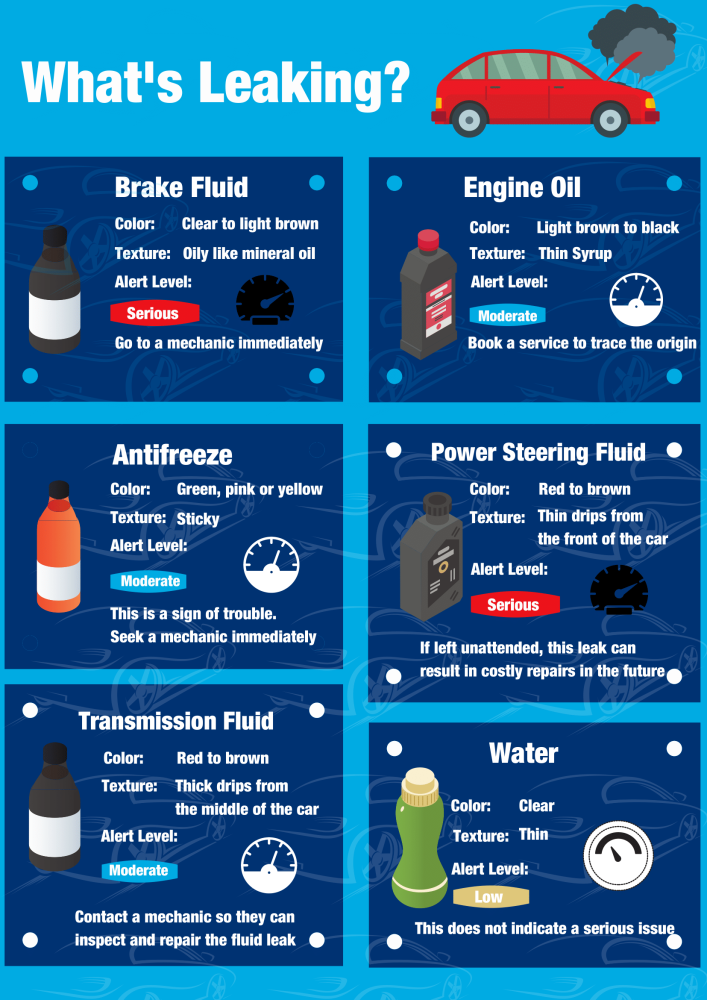
Different fluids look similar until you know what to look for. The quick, human-friendly guide:
Engine oil → amber to dark brown, slippery, usually right under the engine.
Transmission fluid → red when fresh, brown when old; leaks tend to show up near the middle.
Power steering fluid → also red, but usually drips from the very front.
Coolant → bright green/orange/pink with a sweet smell; usually under the radiator area.
Brake fluid → clear or yellow, super slick, sharp smell; often near a wheel.
Put cardboard under the car overnight and check the color. It’s the simplest way to play detective.
Why these leaks matter for more than just your driveway
When it rains, all that oil, coolant, and other gunk doesn’t magically disappear — it washes straight into storm drains, then into rivers and lakes.
Here’s the rough reality:
One quart of motor oil can pollute up to 2 million gallons of water.
The oil from one oil change can contaminate a million gallons of drinking water.
Coolant spreads fast and is poisonous to wildlife. And because it tastes sweet, animals (and sometimes kids) are drawn to it.
So yeah — that little drip under someone’s car? It becomes a big problem for a lot of people.
Fixing it is cheaper than ignoring it
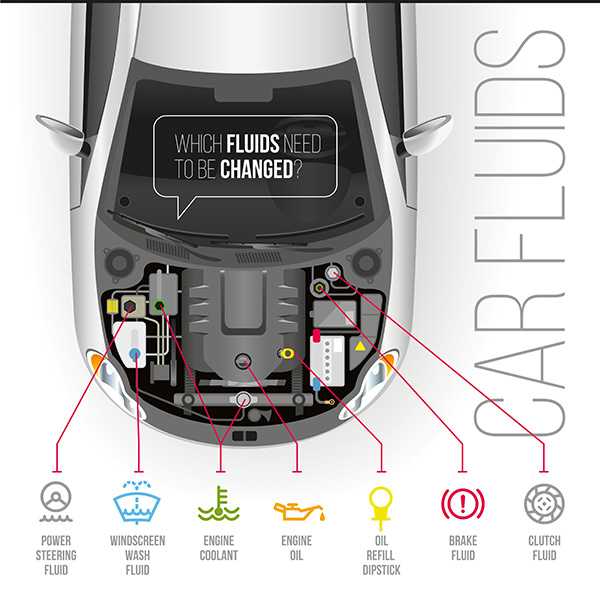
Most leaks start small and stay cheap if you handle them early. Ignore them, and they turn into a new radiator, hoses, gaskets, or worse — a full engine or transmission repair.
If money is tight, most shops will check a leak for free and tell you what’s going on. And for the stains already on the ground, don’t hose them into the gutter — that’s just pushing the toxins straight into the water system. Use kitty litter, sand, or a degreaser instead.
A leaky car isn’t just “your problem.”
It affects your neighbors, the environment, cyclists, pets — everyone sharing the same street.
Fix the leak, clean up the mess, and don’t be that car on the block.