

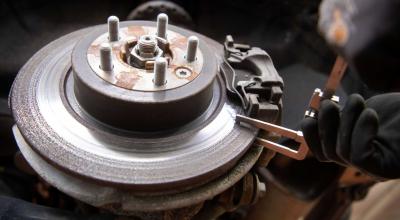
The usual explanation sounds perfectly logical. When a car slows down, its weight moves toward the front. The front tires carry more load, so the front brakes provide more of the stopping force. That
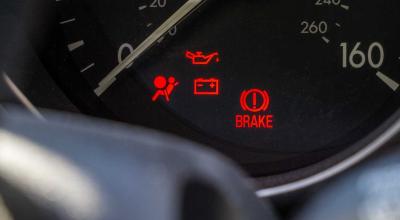
The parking brake has been released, but the red warning light remains on. The first reaction is usually to pull the lever again or press the parking-brake switch a few times. Perhaps the sensor
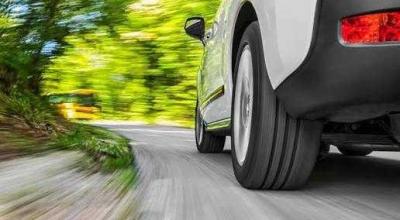
The car drifts gently toward the shoulder, and suspicion immediately falls on the alignment. That is understandable. A car should travel where it is pointed, and anything that seems to tug at the s
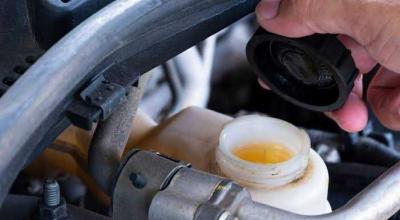
The reservoir under the hood is sitting close to the minimum line. There is a bottle of brake fluid on the shelf. The obvious response seems to be pouring in enough fluid to bring the level back to &l
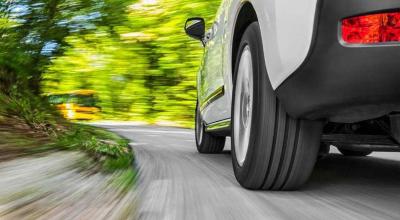
There is a small test every driver has done at least once, even if they would never admit it. A straight road. No traffic. Good weather. Hands still close to the wheel, but the grip loosens f
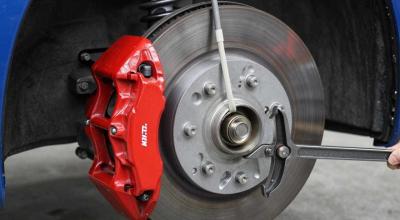
Brakes scare people. And honestly? Fair enough. You’re dealing with the one system standing between your car and an extremely expensive meeting with the back of somebody else’s SUV.
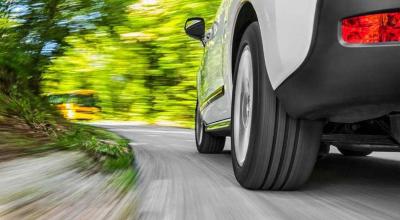
You know the feeling. You’re on a straight stretch of road, hand barely resting on the wheel, and the car starts doing its own little thing. Not dramatic. Just a soft tug to the right. Or left.