

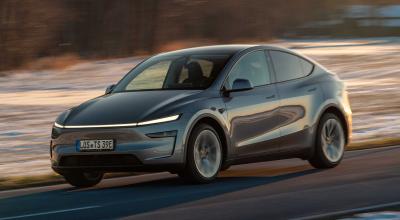
Driver assistance systems are everywhere now, but figuring out which ones actually work well can still be surprisingly difficult. That’s why the National Highway Traffic Safety Administration
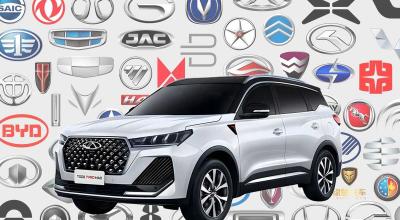
Washington rarely agrees on anything, but this is one of those cases where both sides line up. Chinese cars are expanding fast across global markets, and that’s making U.S. lawmakers uneasy.
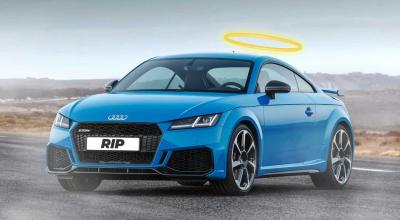
There’s a weird pattern in the U.S. car market. We stop buying something, automakers kill it, and then a few years later everyone starts asking, “wait… why did we get rid of that?&r
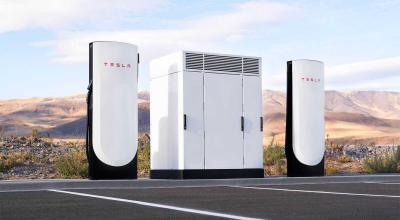
Charging used to be the annoying part of owning an EV. Not the driving, not the range. The plug. You’d pull up to a station and still have to double-check if your car could even use it. Tha
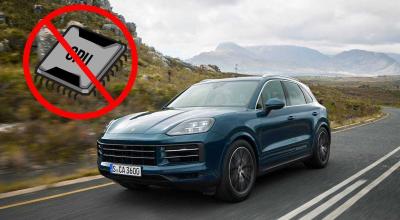
The DRAM chip shortage is hitting cars in 2026 in a way most buyers never saw coming. You have probably heard about AI changing everything. What you probably have not heard is that it is quietly makin
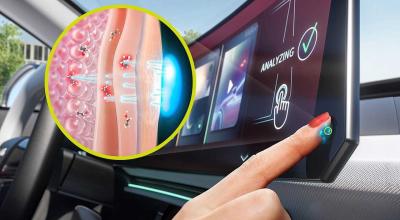
Okay, this one feels like something from a movie, except it is already being shown in real life. A new system shown at the Beijing Auto Show can check whether a driver has been drinking through a c
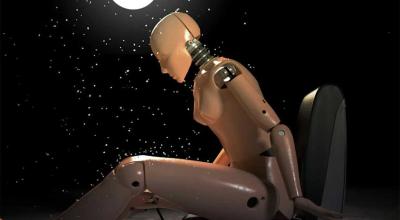
Here’s the part that feels almost unbelievable: for decades, car safety was built around a body that looked mostly like an average man. Not a small woman. Not a pregnant woman. Not the person
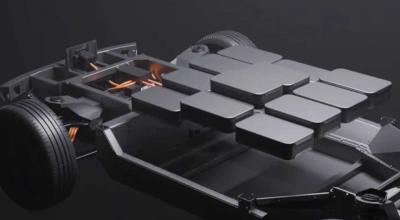
For what feels like forever, solid-state batteries have lived in that annoying category of car technology that was always “almost here.” Every year, somebody promised a breakthrough. Ev
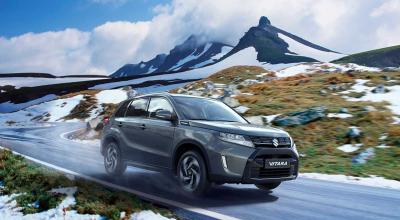
For a while, the car industry talked like the future had already been decided. Gas was on the way out, EVs were the next obvious step, and hybrids were just the awkward in-between phase people would m
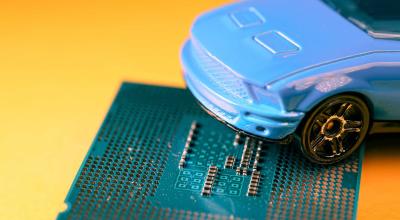
A lot of people hear “AI is changing the car industry” and assume it means smarter voice assistants, self-driving features, or dashboards that talk too much. But there is a less obvious