Hybrids Weren’t Supposed to Win Like This. But Drivers Clearly Had Other Plans.
by AutoExpert | 15 April, 2026
For a while, the car industry talked like the future had already been decided. Gas was on the way out, EVs were the next obvious step, and hybrids were just the awkward in-between phase people would move past.
That is not what happened.
What actually happened is much more normal, which is probably why it matters. Drivers looked at their lives, looked at fuel prices, looked at charging, and quietly decided hybrids make a lot of sense right now.
And the market listened.
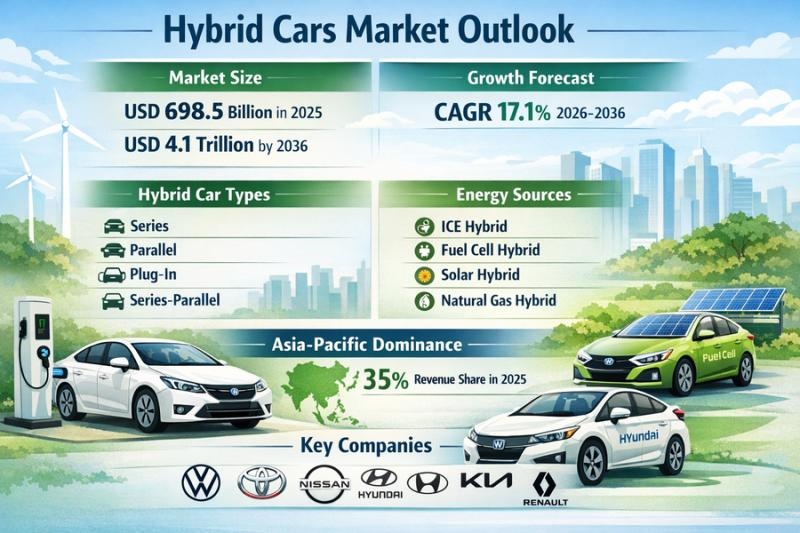
Cox Automotive said hybrids reached 11.5% of U.S. new-vehicle sales by late 2025, up sharply from earlier years, while gas-only vehicles kept losing share. Toyota has been leading that charge, with Cox showing the brand holding the biggest piece of the hybrid market.
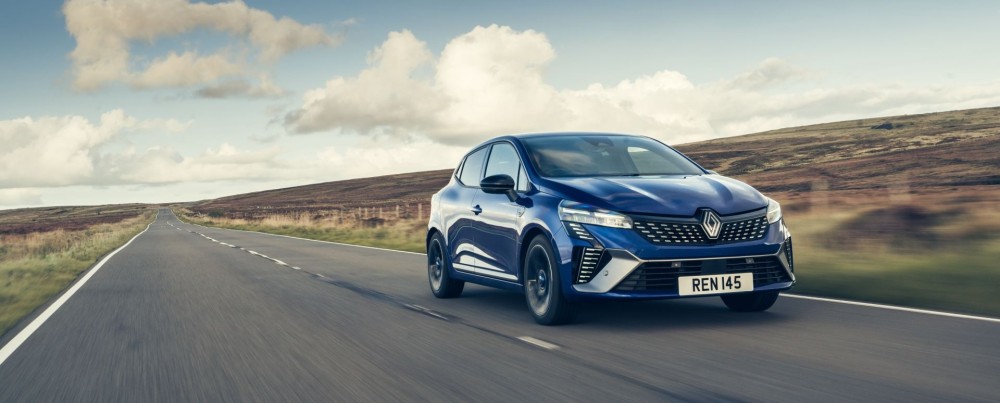
Honestly, it is not hard to understand why.
A hybrid gives people the part they actually want, better fuel economy, without asking them to rethink how they use a car. No charger at home? Fine. Street parking? Fine. Unexpected road trip? Fine. You still pull into a gas station like always, except you do it less often.
That is a very easy pitch to live with.
Toyota in particular seems to have figured this out before almost everyone else. The 2026 RAV4 is now hybrid-only in the U.S., which is a pretty big statement considering how mainstream that vehicle is. Toyota’s own site literally describes the 2026 RAV4 as “now hybrid only.” When one of the most familiar SUVs in America drops the gas-only version entirely, that tells you something.
And it is not just Toyota.
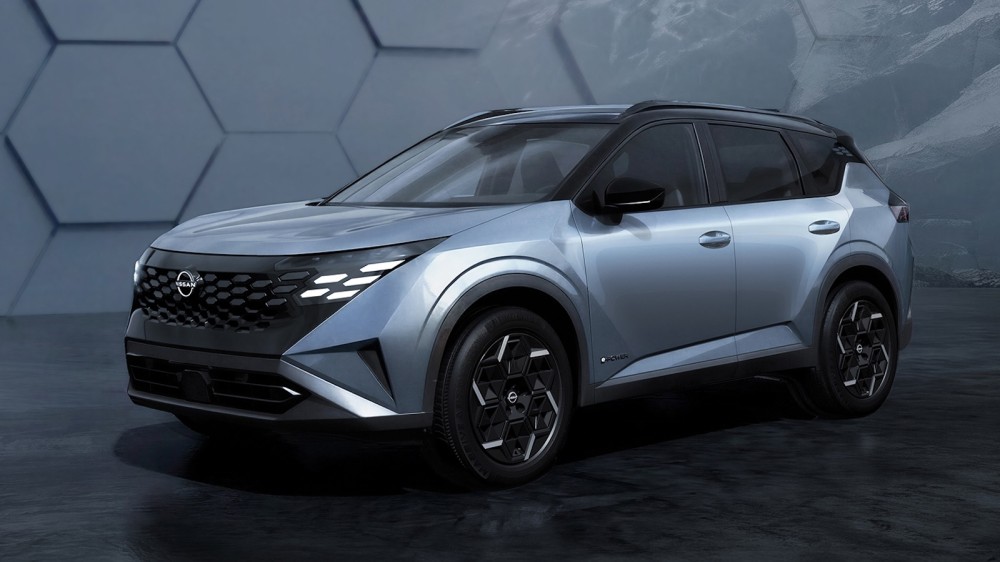
Nissan has already previewed the all-new 2027 Rogue Hybrid e-POWER for the U.S., with availability expected in late 2026. That is not a side experiment. That is Nissan looking at where demand is going and getting in line.
That is really the story here. Hybrids are not suddenly exciting because people got emotionally attached to them. They are winning because they feel practical at exactly the right time. Fuel savings matter. Simplicity matters. And a lot of buyers still want something more efficient without taking on the charging question every day.
EVs are still part of the future. That has not changed.
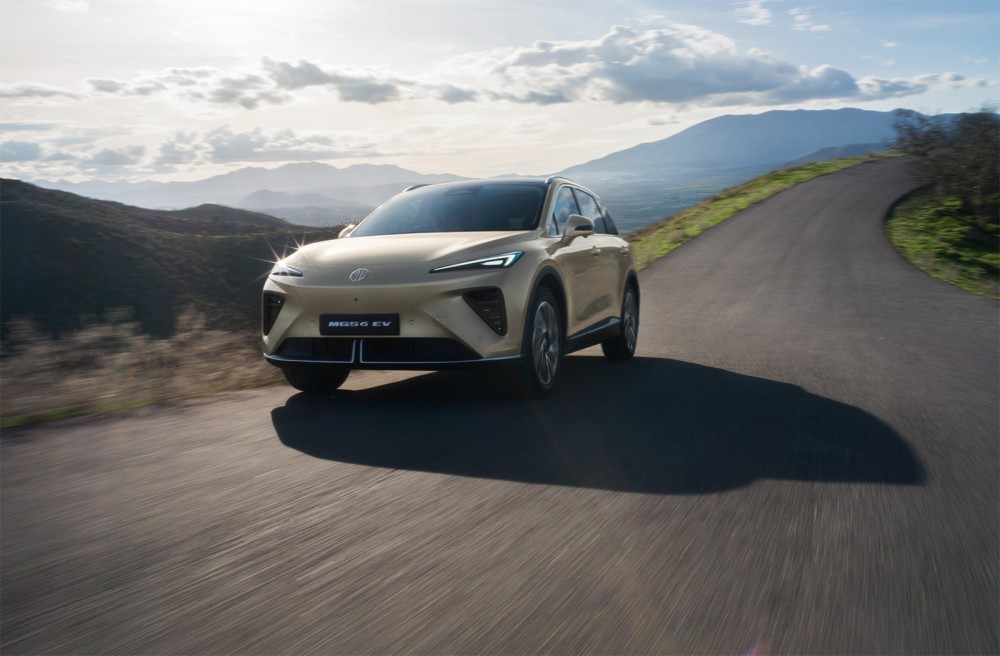
But right now, hybrids are the answer that feels easiest for a lot of people to say yes to. And in the car market, “easiest to say yes to” tends to win more often than the industry likes to admit.