
Cars Were Crash-Tested Around Men for Decades. Women Paid the Price.
by AutoExpert | 24 April, 2026
Here’s the part that feels almost unbelievable: for decades, car safety was built around a body that looked mostly like an average man.
Not a small woman. Not a pregnant woman. Not the person sitting closer to the wheel because her legs are shorter. Mostly a man.

And that matters.
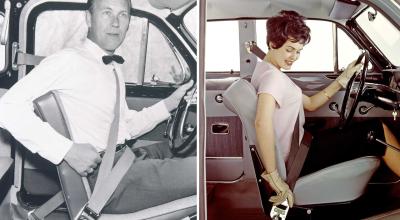
Because people do not sit in cars the same way. A shorter driver may sit closer to the steering wheel. The belt hits the chest and hips differently. The headrest may not line up the same way. In a crash, those little differences become very big differences.
That is one reason women have faced higher injury risks in similar crashes. Not because they drive worse. Because the systems meant to protect them were not fully designed around them.
Now that is finally starting to change.
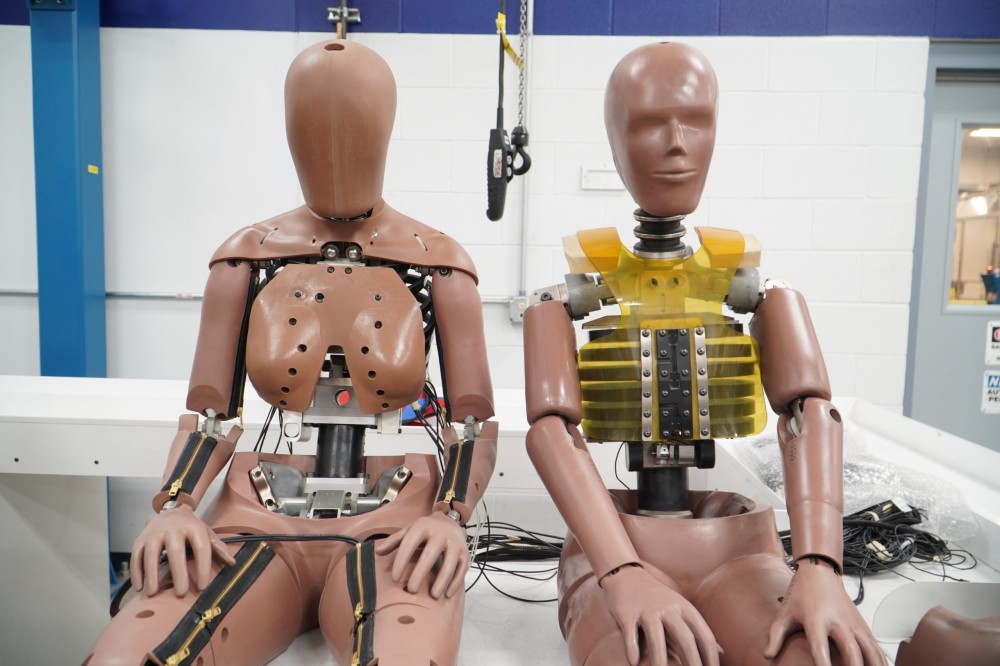
The federal government has introduced THOR-05F, a new advanced crash test dummy built to better represent a female body. It has far more sensors than older dummies, including in areas where women have been more likely to suffer serious injuries. That means automakers can collect better data and design safety systems that protect more than one “standard” body type. This is not just a technical update. It is a long-overdue correction.
Seatbelts, airbags, head restraints, and seat design all depend on how bodies actually move in a crash. If the testing misses half the population, the final car does too.
Some automakers have already been working on female crash models, but the bigger shift is that this is now becoming part of the safety conversation across the industry. Over the next few years, it could change how restraint systems are calibrated and how seats are designed.
And honestly, it should have happened a long time ago.
For women drivers, and for anyone who has women in their family, this is one of those safety changes that may not look flashy on a showroom floor, but could matter enormously in the one moment nobody wants to think about.