Washington Agrees: Keep Chinese Automakers Out
by AutoExpert | 30 April, 2026
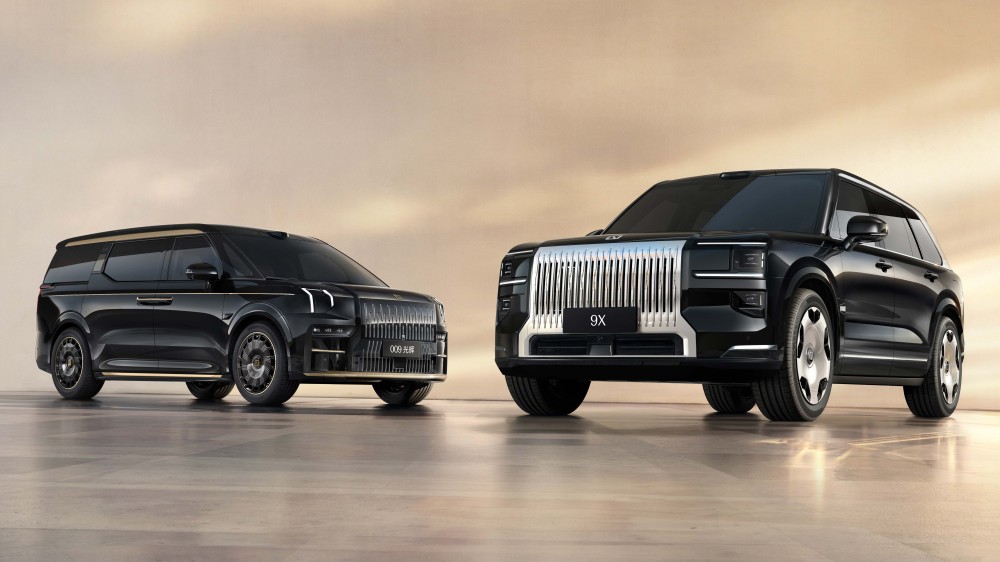
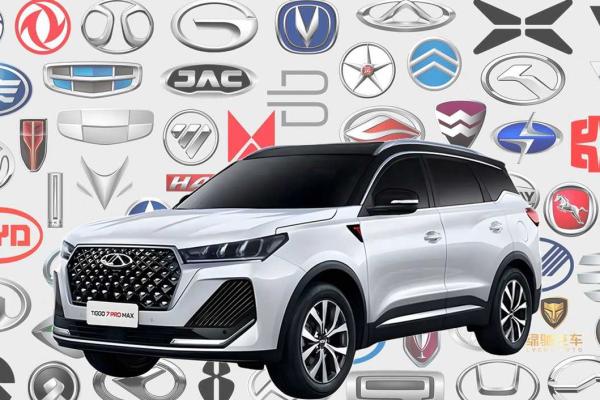
Washington rarely agrees on anything, but this is one of those cases where both sides line up. Chinese cars are expanding fast across global markets, and that’s making U.S. lawmakers uneasy.
The government has already put up barriers. Big tariffs are in place, and there’s a ban on certain connected vehicle tech. Still, some lawmakers think that’s not enough.
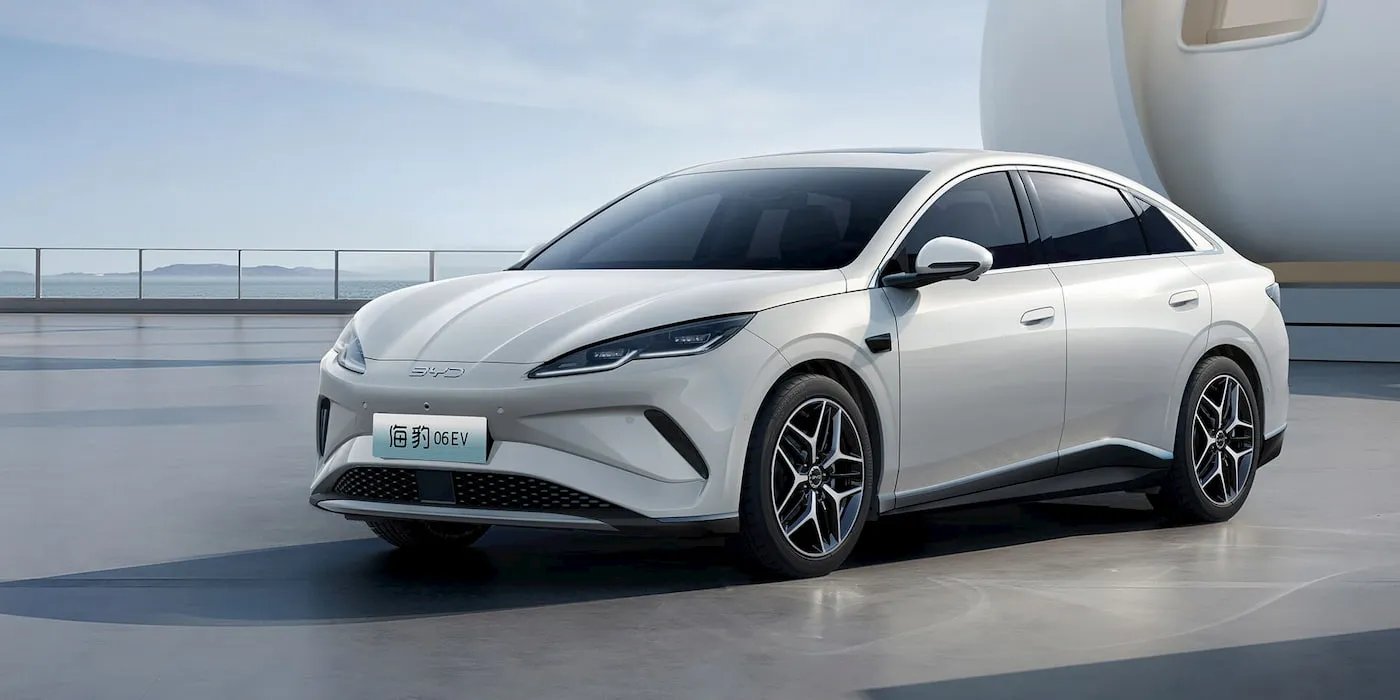
A group of House Democrats recently sent a letter to Trump raising concerns about comments he made earlier this year. Back in January, he said Chinese automakers should be allowed in if they build factories in the U.S. and hire American workers. On paper, that sounds like jobs and investment.
The timing of the letter matters. Trump is expected to meet China’s president soon, and there’s worry he could open the door to Chinese carmakers as part of a bigger deal.
The message from lawmakers is clear. They don’t want that door opened at all. In their view, allowing Chinese brands to enter would hurt U.S. manufacturing, jobs, and even national security.
They also point out how big the auto industry is in the U.S., around 10 million jobs, roughly five percent of the economy. From their perspective, it’s not something you gamble with.
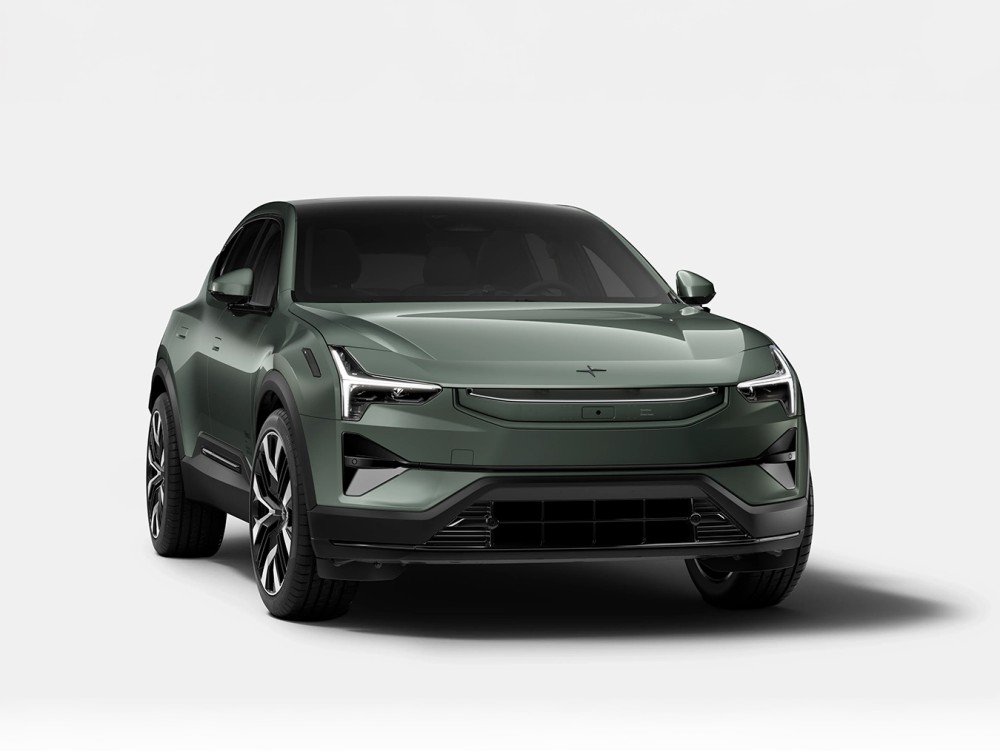
Another issue is how Chinese companies compete. Lawmakers argue they’re backed heavily by the state, with subsidies and financing that give them an edge. So it’s not seen as a fair fight.
There’s also concern about a workaround. If Chinese brands build cars in Canada or Mexico, those vehicles could enter the U.S. under existing trade rules. Lawmakers want to block that path too, making sure Chinese-linked vehicles can’t slip in through USMCA.
On top of that, they’re pushing for even tighter rules on vehicle tech tied to China. The White House pushed back on the idea that national security would be traded for investment. China’s side, meanwhile, is calling for a fairer, more open market.
Still, the direction here feels pretty clear. When it comes to Chinese automakers, U.S. politics doesn’t split much.