AI Is Coming for Your Next Car Too, Just Not in the Way You Think
by AutoExpert | 14 April, 2026
A lot of people hear “AI is changing the car industry” and assume it means smarter voice assistants, self-driving features, or dashboards that talk too much.
But there is a less obvious version of the story unfolding right now, and it could matter a lot more to actual buyers.
AI is helping create another chip squeeze.
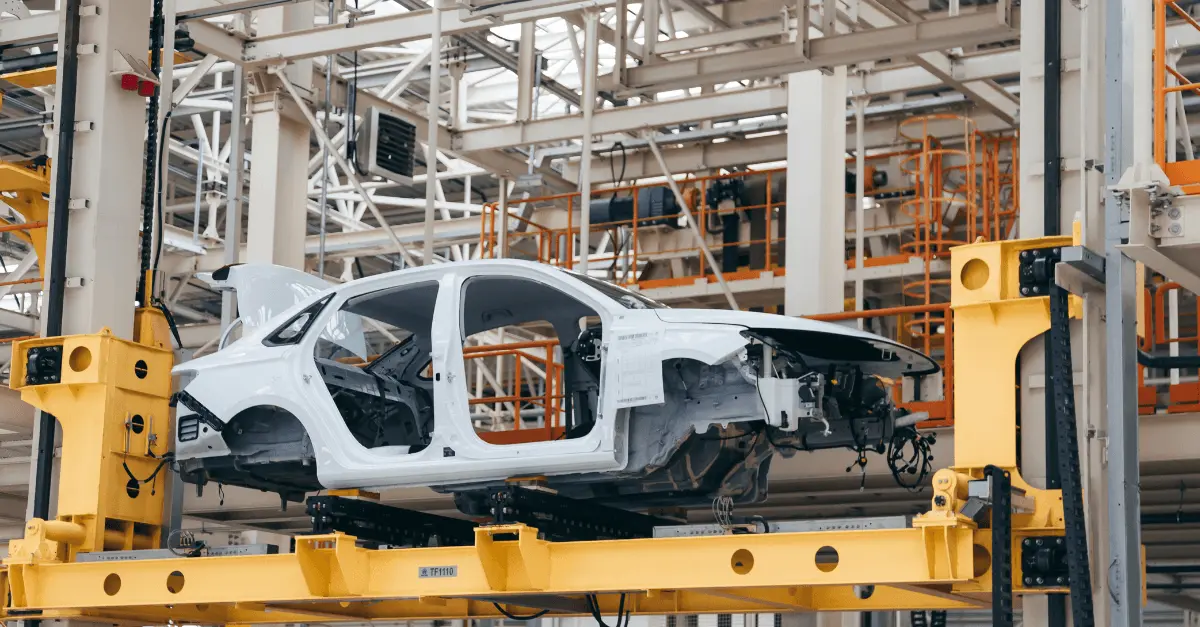
Not the old pandemic-style mess exactly, but something close enough to make automakers uneasy. S&P Global Mobility has warned that automotive DRAM, one of the memory chips modern vehicles rely on, is heading into a rough stretch because chipmakers are putting more capacity toward higher-margin AI data-center demand. In its outlook, S&P said automotive customers could see DRAM price increases of 70% to 100% in 2026.
That matters because modern cars use these chips everywhere. Not just in the big flashy screens, but across infotainment, navigation, digital cockpits, advanced driver-assistance systems, and a growing pile of software-heavy functions that did not exist in older cars. When those parts get more expensive or harder to source, the pressure does not stay neatly inside a semiconductor factory. It moves outward, into production planning, trim availability, and eventually pricing.
And this is where the whole thing gets a little darkly funny.
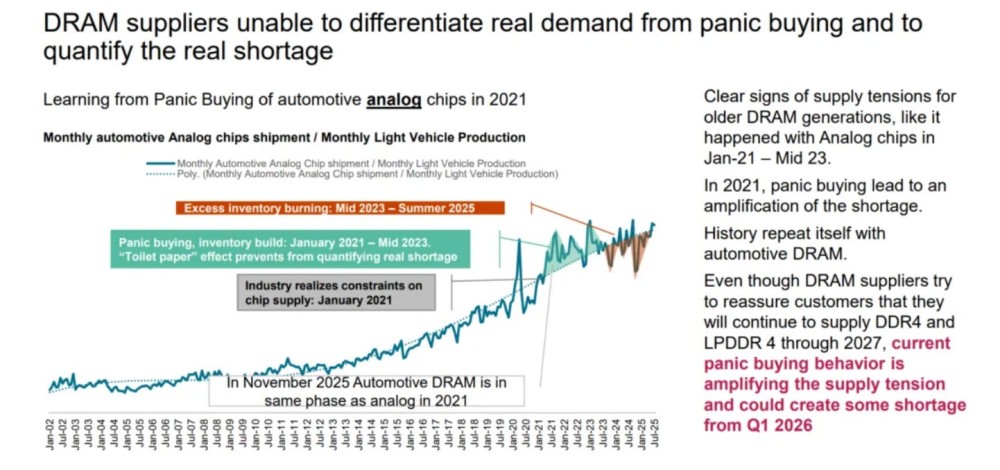
The same AI boom that is supposed to power the future is also competing with carmakers for the chips their vehicles need right now. Reuters has also reported how strong AI demand is already distorting memory markets more broadly, with chip supply getting pulled toward the most lucrative buyers first.
If that sounds familiar, it should.
The auto industry has been here before, at least emotionally. Once suppliers start prioritizing other customers, automakers tend to react the same way every time: secure what they can, lock in longer contracts, and try not to get caught short. S&P’s February note was pretty blunt that this is not a full replay of 2021, but it could still affect pricing, trims, and features, especially on tech-heavy vehicles.
That last part is probably what regular buyers should pay attention to.
Not every car is suddenly going to disappear from dealer lots. This is not a guaranteed apocalypse. But if a model depends heavily on advanced displays, ADAS hardware, or more memory-intensive electronics, it is not hard to imagine certain trims becoming tighter, pricier, or slower to show up than expected. That is the kind of disruption buyers feel first, even when the original problem started somewhere deep in a semiconductor supply chain. This is an inference based on the supply warnings and prior industry behavior, not a confirmed forecast for any one specific model.
The bigger point is simple enough. Cars are now close enough to consumer electronics that when the tech world gets greedy for components, the auto world gets dragged into the fight.
So no, the chip problem is not fully behind us. It just changed shape.
And if someone is planning to buy a new car later this year, especially a popular, tech-loaded one, waiting until the last minute may not be the calm, sensible move it sounds like.